


From Beginner to Connoisseur: Growing Your Fragrance Collection

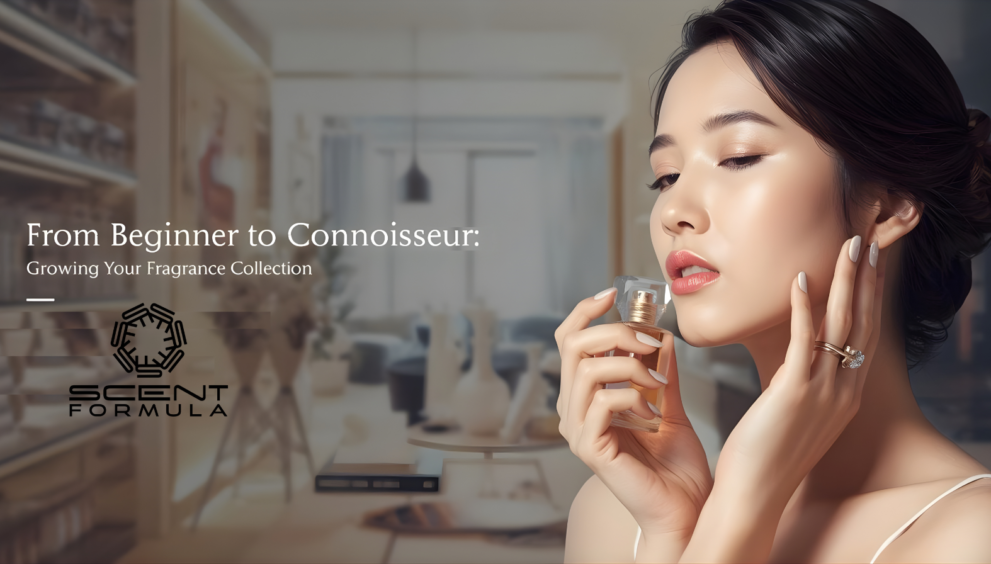
Ever wondered how some people can pick out scents for every mood and event? Starting your fragrance journey is more than just buying new perfumes. It’s a deep dive into the world of smells and what you like.

This guide will help you grow your fragrance collection. You’ll learn more about scents and how to pick the right ones. Whether you’re new to perfumes or want to improve your collection, this guide is for you. Are you ready to improve your sense of smell?
Key Takeaways
- Understand the transformative journey from a beginner to a connoisseur.
- Learn the importance of matching scents to moods and occasions.
- Explore the basics of building a personalised fragrance collection.
- Find tips for becoming a discerning fragrance lover.
- Immerse yourself in the enchanting world of perfumes.
Understanding the World of Fragrance
Fragrances are more than just smells. They are a blend of art and science, spanning centuries. Exploring fragrancereveals the detailed steps in making each scent. From extracting ingredients to blending them, it’s a complex process.
The Basics of Perfume Making
Perfume making starts with finding top-quality ingredients. These often come from flowers, fruits, and essential oils. These are then mixed with synthetic scents to create lasting fragrances.
Blending is key. It’s about finding the right mix of ingredients. This ensures the fragrance is both balanced and long-lasting.
History of Perfumery
The history of perfumery is rich and varied. Ancient Egypt and Mesopotamia valued perfumes for rituals and everyday use. Later, France became the heart of luxury perfumery, setting global standards.
This journey has led to today’s perfumes. They continue to delight people’s senses worldwide.
Why Scents Matter
Scents have a big impact on our emotions and minds. A smell can bring back memories, change our mood, or affect how we see things. Psychologists have studied this, showing scents can reduce stress or improve focus.
Understanding scents makes us appreciate fragrance more. It shows why having a variety of fragrances is important.
Identifying Fragrance Families
Understanding fragrance families is key for anyone wanting a diverse scent collection. You’ll find main categories like floral, woody, musky, oriental, and gourmand. Each family has unique notes, giving a special smell experience. Let’s explore each category to help you understand fragrances better.
Floral Scents
Floral scents are all about the romantic and lush smells from flowers. They feature perfumes with jasmine, rose, and lily. These scents are elegant and feminine, great for daytime and special events.
Woody and Musky Notes
Woody and musky notes bring warmth and comfort. They use ingredients like sandalwood and patchouli. Musky notes add depth, making the scent more sophisticated. These fragrances are perfect for evenings or cold weather.
Oriental and Gourmand Aromas
Oriental fragrances are exotic and spicy, with a touch of mystery. They include vanilla and amber. Gourmand scents, with notes like chocolate, are rich and indulgent. Both are great for making a statement, day or night.
Starting Your Fragrance Collection
Starting your fragrance journey can seem daunting. But, with some guidance, you can build a collection that shows who you are. Picking your *first perfume* is key, and *testing scents* is crucial in making the right choice.
Choosing Your First Perfume
When picking your *first perfume*, think about what scents you like. Do you prefer fresh, citrusy smells or deeper, woody ones? Your natural taste will help narrow down your choices. Trust your gut and pick a scent that feels right to you.
Testing and Sampling Scents

*Testing scents* is vital before buying. Many stores let you try *samples*. This way, you can see how the fragrance changes on your skin over time. By *sampling* different scents, you can find the perfect one for you without committing to a big purchase.
Full Bottles vs. Samples
It’s smart to start with *samples* before buying *full bottles*. This way, you avoid wasting money on a scent you don’t love. If you’re new to fragrances, *sampling* is especially helpful. It lets you try many scents without spending a lot. As you find your favourites, you can buy more of those, building a *fragrance wardrobe* that reflects your style.
Building a Fragrance Wardrobe
Creating a fragrance wardrobe lets you match your scent to your lifestyle. Choose perfumes that fit your mood and the occasion. This way, you’ll always have the right scent for any moment.
Scents for Different Moods
Your fragrance wardrobe should have scents that boost your mood. For days when you need a lift, try citrus or floral fragrances. For calm moments, choose deeper, woody scents.
- Invigorating Moods: Citrus-based scents like Tom Ford’s Neroli Portofino
- Relaxing Evenings: Woody notes such as Chanel’s Bleu de Chanel
- Romantic Nights: Floral blends like Dior’s J’adore
Perfumes for Various Occasions
It’s key to have perfumes for different times. For day or casual events, light scents are perfect. For evening or formal dinners, choose deeper fragrances. For business meetings, subtle, sophisticated scents show confidence without being too strong.
| Occasion | Recommended Scents |
|---|---|
| Casual Daytime | Dolce & Gabbana’s Light Blue |
| Evening Elegance | Yves Saint Laurent’s Black Opium |
| Business Meetings | Aqua Di Gio by Giorgio Armani |
By picking scents for different moods and occasions, you create a fragrance wardrobe that reflects your personality and lifestyle.
From Beginner to Connoisseur: Growing Your Fragrance Collection
Starting to build your fragrance collection is a rewarding journey. It leads you to becoming a true connoisseur. You’ll go through many milestones and experiences.
First, you need to expand your fragrance knowledge. Dive into the world of scents and learn about different fragrance families. Learn to spot the special notes that make a perfume stand out.

Another key part is learning to spot quality. Know the ingredients and the skill that goes into each perfume. It’s important to see how scents affect you and your skin.
As your fragrance collection grows, so will your preferences. These choices show your personality and style. Your unique fragrances will tell your story, making each spritz a memory.
| Milestone | Beginner | Connoisseur |
|---|---|---|
| Fragrance Knowledge | Basic understanding of different scents | In-depth knowledge of fragrance families and notes |
| Quality Recognition | Limited awareness of ingredient quality | Ability to discern high-quality ingredients and craftsmanship |
| Personal Preference | Exploration of various scents | Well-defined fragrance preferences reflecting personal style |
| Confidence | Experimenting with scents | Confident in selecting and recommending fragrances |
Your journey in the world of fragrances will keep growing. You’ll always be learning and eager to try new scents. As you get better, you’ll not only have an amazing collection but also be a respected fragrance connoisseur.
You may also refer to “HOW TO BECOME A PERFUMER: A GUIDE TO STARTING YOUR FRAGRANCE JOURNEY”
Curating Your Perfect Perfume Collection
Building your dream perfume collection is a mix of instinct, trying new things, and keeping things tidy. We’ll look at how to trust your gut, play with different scents, and keep your collection in order.
Trusting Your Instincts
When picking fragrances, listening to your gut is key. Your tastes are special, and knowing what you like helps create a collection that shows who you are. Notice scents that make you feel good or remind you of happy times. Whether it’s a zesty citrus or a rich, woody smell, choose what feels right to you.
Mixing and Matching Scents
Getting good at mixing scents can really boost your perfume collection. Mixing different fragrances lets you make unique scents that are all your own. Begin by matching scents, like a floral with a bit of musk or a spicy one with a bit of sweetness. Keep trying until you find the perfect mix for you.
Keeping Your Collection Organised
After you’ve picked your favourite scents, keeping them organised is important. A tidy collection makes it easier to pick the right perfume for any event. Keep your perfumes in a cool, dark spot to keep them fresh. Sort them by type or occasion, whatever works for you. If you need to, label your bottles. Also, check your collection often to make sure your favourite scents are always ready.
The Role of Nose in Perfumery
Being a top perfumer means mastering the skill of “training your sense of smell.” A keen sense of smell is key to spotting the different parts of a perfume. As you get better at this, your nose will improve, and so will your enjoyment of fragrances.

Training Your Sense of Smell
To become a great perfumer, “training your sense of smell” is crucial. Begin by noticing scents around you—like fruits, spices, and flowers. Try to link their smells to what you see. Doing this often will make you better at picking out the subtle parts of a fragrance.
Recognising Different Fragrance Components
For any perfumer in training, knowing the parts of a fragrance is vital. It’s about breaking down complex smells to see how each part works. By trying out many fragrances and paying attention to what you smell, you’ll grow to love the detail in perfumery. This will make you more skilled and passionate about your work.
How to Identify Quality and Longevity in Perfumes
The world of fragrances is vast, with many factors affecting the experience. Key among these are quality and longevity. Understanding these can greatly improve your collection. We’ll explore important aspects like perfume concentrationsand the debate over natural vs. synthetic ingredients.

Understanding Perfume Concentrations
Perfume concentrations are crucial for scent longevity and strength. Higher concentrations mean longer-lasting fragrances. Here’s a quick guide:
| Concentration | Description | Longevity |
|---|---|---|
| Parfum | Also known as pure perfume, it contains 20-30% fragrance concentration. | 8-24 hours |
| Eau de Parfum | Contains 15-20% fragrance concentration, making it a popular choice. | 4-8 hours |
| Eau de Toilette | With 5-15% fragrance concentration, it offers a lighter scent. | 2-4 hours |
| Eau de Cologne | The lightest, containing 2-4% fragrance concentration. | 1-2 hours |
Recognising Natural vs. Synthetic Ingredients
The debate over natural vs. synthetic ingredients in quality perfumes is ongoing. Natural ingredients are praised for their purity and unique scents. However, synthetic ingredients can offer longevity and consistency that naturals sometimes lack.
- Natural Ingredients: Derived from botanicals, such as flowers, herbs, and spices. These can offer rich, complex aromas but may vary from batch to batch and can be less long-lasting.
- Synthetic Ingredients: Created in laboratories to mimic natural scents or introduce novel ones. Synthetic components often provide greater stability and longer shelf life.
When choosing a fragrance, consider both longevity and the origin of its ingredients. Your preference will depend on what you value most in your perfumes.
Top Perfume Brands and Their Signature Scents
Exploring top perfume brands is exciting, especially for those who love fragrances. Many iconic perfumes have made a big impact, with unique smells that attract fans worldwide. Here, you’ll learn about famous brands and their signature scents that show their unique place in the world of fragrances.

Chanel No. 5 is a classic that comes to mind when talking about iconic perfumes. It’s known for its timeless scent of May rose and jasmine. Jean-Paul Gaultier’s Le Male is a modern hit, blending mint, lavender, and vanilla.
Dior’s J’adore is a symbol of femininity, with a mix of ylang-ylang, rose, and jasmine. Tom Ford’s Black Orchid is bold, with dark notes of black truffle and black orchid.
Here’s a closer look at some top perfume brands and their famous scents:
| Brand | Signature Scent | Key Notes |
|---|---|---|
| Chanel | Chanel No. 5 | Aldehydes, May Rose, Jasmine |
| Dior | J’adore | Ylang-Ylang, Rose, Jasmine |
| Jean-Paul Gaultier | Le Male | Mint, Lavender, Vanilla |
| Tom Ford | Black Orchid | Black Truffle, Black Orchid |
These brands have made their mark in the world of smells. Their signature scents appeal to many fragrance lovers. As you explore these iconic perfumes, you’ll see the creativity and skill that goes into creating unforgettable fragrances.
Enhancing Your Fragrance Experience with Layering
Learn to layer perfumes to enjoy your scent more. Use body products and different perfumes to make a scent that lasts all day. This guide will help you improve your fragrance experience.
Using Complementary Body Products
Using body products like lotions, oils, and shower gels with your perfumes can make your scent better. For example, a Le Labo body lotion in your favourite scent makes a great base. Brands like Jo Malone and Chanel have matching products to boost your perfume.
“The key to a lasting fragrance is in the layering. Start with scented shower gel, follow with body lotion, and finish with your preferred perfume.” – Perfume Expert
Layering Different Perfumes
Layering different perfumes lets you create a scent that’s truly yours. You can mix scents with similar notes or try contrasting them. For instance, a floral scent can be paired with a woody one for a balanced smell. TOM FORD and Byredo have scents that are great for layering.

Begin with a lighter scent as your base and add a stronger one on top. This method makes your fragrance last longer. Also, test your scent combinations on your skin before using them fully.
How Seasons and Occasions Affect Fragrance Choices
Fragrance preferences change with the seasons and occasions. Knowing the right scents for each time of year is key. This guide helps pick the best summer scents and winter fragrances.
Best Scents for Summer
Summer scents are light, fresh, and lively. Citrusy notes like lemon and orange blossom are popular. They offer a crisp, refreshing smell.
Floral fragrances with jasmine and rose are also great for summer. They add a sweet, airy feel.

People often choose sparkling, zesty scents in summer. Here’s a look at some:
| Fragrance Note | Example Scents |
|---|---|
| Citrus | Giorgio Armani Acqua di Gioia, Tom Ford Neroli Portofino |
| Floral | Chanel Chance Eau Tendre, Dior J’adore |
Choosing scents that capture summer’s essence can boost your mood. They match the season’s events and activities perfectly.
Winter Fragrance Choices
In winter, richer, warmer scents are preferred. They offer comfort and cosiness. Vanilla, amber, and spices like cinnamon are common.
Oriental and woody fragrances are also popular in winter. Scents like oud and sandalwood provide a grounding, earthy feel.
| Fragrance Note | Example Scents |
|---|---|
| Spicy | Yves Saint Laurent Black Opium, Jo Malone Myrrh & Tonka |
| Woody | Tom Ford Oud Wood, Maison Francis Kurkdjian Oud Satin Mood |
Choosing scents that match winter’s seasonality and occasions can enhance your experience. It’s a sensory journey.
Conclusion
Your journey from beginner to connoisseur has been filled with curiosity and learning. This guide has given you the tools to explore scents with confidence.
Starting with the basics of perfumery, you’ve learned about fragrance families and how to build your collection. We’ve shown you how to pick the right perfume for any time or mood. This makes your scent exploration a fun, ongoing adventure.
Trust your instincts and look for quality in your fragrances. Enjoy mixing different scents to create something unique. Each new perfume adds to your personal scent wardrobe, making it richer and more interesting.
Knowing perfume and understanding it is two different things. Dwell deep into our blogs at https://scentformula.sg
Frequently Asked Questions
How do I start from a novice to connoisseur and begin curating a collection that will suit you best?
A beginner’s guide approach works great — start small with a few fresh scents and a vanilla perfume or an aromatic citrus EDP to learn what you like. Take the time to smell different fragrance categories, note top, heart and base notes, and practice the ability to identify accords. Move from one fragrance to an array of scents slowly so your nose adapts. This step-by-step path from novice to connoisseur turns collecting into an exciting journey.
What’s the first spray trick a perfumer would recommend for testing many fragrance types?
For that first spray, let it settle on your skin and check the opening citrus or florals, then revisit after 20–30 minutes to catch base notes like vanilla perfume or sensual woods. Use blotters for quick comparisons but always test on skin to see how the fragrance makes you feel. A fellow fragrance lover tip: avoid sampling too many at once to prevent nose fatigue.
How can I tell if a scent is right for every mood and occasion without buying full bottles?
Try samples, decants, or perfume oil minis that let you wear one fragrance through a whole day. Pay attention to how the scent evolves across its olfactory stages and whether it suits casual daytime, evening or formal events. Curating a diverse range of scents in sample size helps you build the perfect fragrance collection without splurging on one fragrance too soon.
What are the core fragrance categories I should explore to build a diverse range of scents?
Start with citrus and fresh scents, move into aromatics and florals (try classics like lily of the valley), then explore sensual orientals and woody base notes. Also sample gourmand notes like vanilla perfume and lighter perfume oil options. Sampling across categories trains your nose and helps you spot which accords captivate you most.
How do I figure out which notes will suit you best for work, evenings, and weekends?
Think about the mood and occasion: fresh scents and citrus are great for work and daytime, florals or perfume oils fit weekends, while richer base notes and vanillas are often better for evenings. Consider how a fragrance makes you feel and how others react — that social feedback is useful when curating a collection tailored to every mood and occasion.
Can I learn to identify accords and olfactory families even if I’m just becoming a fragrance fan?
Absolutely. Practice by comparing two scents side by side — focus on top notes (first spray), then heart accords, then base notes. Keep notes in a journal about what you smell. Over time you’ll build the ability to identify key accords and describe olfactory families like a perfumer, moving from a perfume lover to a confident collector.
Is it better to choose EDPs or perfume oils when building the perfect fragrance collection on a budget?
Both have advantages: EDPs offer projection and complexity, while perfume oil can be more affordable, longer-lasting and intimate. Mixing a few EDPs with some perfume oil or decants gives you a flexible, budget-friendly collection that covers many fragrance needs.
How do I keep my collection interesting so I don’t end up wearing just one fragrance all the time?
Rotate regularly and curate by season and occasion — fresh scents for summer, richer base notes for winter, florals for spring. Create themed subsets (everyday work, date night, weekend escapes) so you always have a go-to. Sharing samples with a fellow fragrance enthusiast can also introduce you to scents you might not try alone.
Any final tips for someone excited about becoming a fragrance connoisseur and building a personal scent wardrobe?
Take your time, enjoy the process, and trust your nose. Pay attention to how every perfume makes you feel, document favorites, and seek out accords that captivate you. Don’t rush into full bottles — sample widely, learn the olfactory families, and gradually curate the perfect fragrance collection that reflects who you are.