
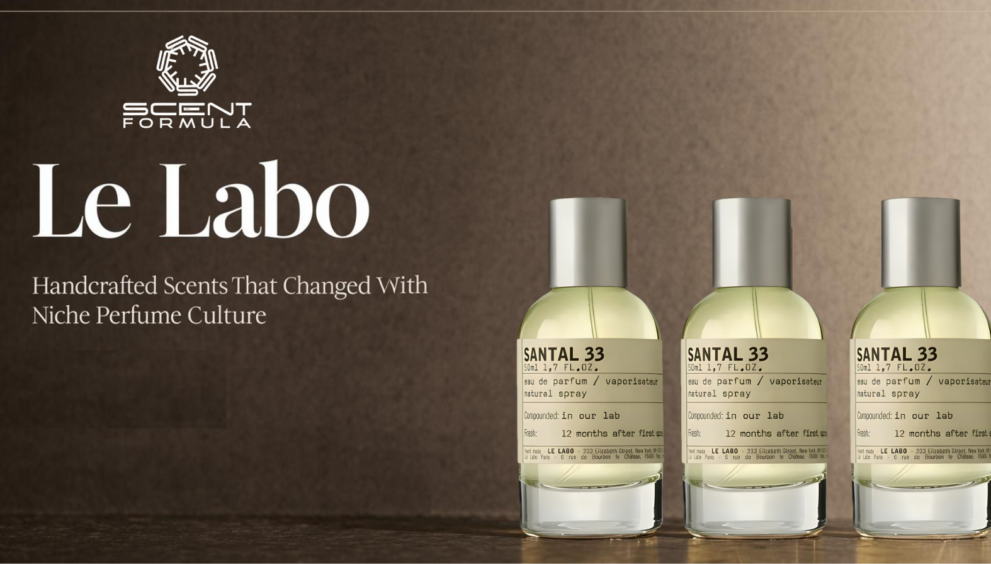
Le Labo: Handcrafted Scents That Changed Niche Perfume Culture

Have you ever felt that most fine fragrance offerings lack a genuine soul?
In 2006, two perfumers in New York asked the same question. Fabrice Penot and Edouard Roschi were tired of the soulless perfume market. They wanted something different.
Le Labo was born from their dream. They wanted to mix the new with the familiar. They focused on ‘slow perfume’ and hand-formulated perfumes with a unique olfactive signature.
This approach combined a love for wabi-sabi with a New York edge. Le Labo became a bold force in luxury perfumery. It started small but grew into a global brand with a devoted fan base.
Le Labo changed how we see scent. It’s not just a product; it’s a personal story.
Key Takeaways
- Le Labo was founded in 2006 as a direct reaction to impersonal, mass-produced fragrances.
- The brand’s core philosophy is built on ‘slow perfume’ and artisanal craftsmanship.
- It successfully merges the Japanese concept of wabi-sabi with a modern, urban aesthetic.
- Le Labo’s approach created a new, influential niche within the global fragrance market.
- The brand’s cult status is rooted in its unique, le labo style of bespoke olfactive experience.
- Its growth demonstrates a strong consumer desire for authenticity and narrative in luxury goods.
The Emergence of Le Labo: A Rebellion in a Bottle
Imagine leaving a secure job at Armani to start a fragrance lab from scratch. Fabrice Penot and Edouard Roschi, two former Armani executives, did just that. They were fed up with the corporate world and wanted to be creative. Their frustration led to the creation of Le Labo, a brand that changed luxury.
Both men had a lot of industry knowledge from their time at Armani. They were tired of marketing overshadowing the perfume itself. In 2006, they used their savings and loans to start Le Labo in New York. Their goal was to focus on the scent, not the celebrity.
They didn’t start from scratch. They mixed ideas from other innovators. They took the idea of clear ingredient names from Jo Malone and the artist-perfumer concept from Frédéric Malle. Aesop’s minimalist design and cult appeal also inspired them. Le Labo became a unique mix of these ideas.
| Influence (Brand) | Core Principle | How Le Labo Adapted It |
| Jo Malone | Simple, ingredient-transparent naming | Scents like ‘Santal 33’ clearly highlight a key note |
| Frédéric Malle | Perfumer as the named artist | Collaborations with master ‘noses’ like Nathalie |
| Aesop | Cult following via word-of-mouth & minimalist aesthetics | Zero traditional advertising; stark, apothecary-style stores |
The first store in Nolita was a bold statement. Penot and Roschi set it up themselves. It had a raw, “Soviet sanatorium-style” feel. Glass beakers, concrete floors, and simple shelves replaced plush carpets. This was a rebellion against the fancy retail temples of perfumery.
They used their industry connections wisely. Early stores in iconic hotels like the Gramercy Park Hotel helped them gain credibility. They avoided glossy ads. Instead, they relied on word of mouth among the stylish elite. This created an aura of exclusive discovery.
The scents told stories of travel and masculinity. Atlas cedar evoked rugged landscapes. The American West inspired a sense of open space. Each fragrance was a personal collaboration between Le Labo and the wearer. Even the slight crackle in the formula of some perfumes was celebrated, showing live, hand-blended ingredients.
This wasn’t just a new brand. It was a new language for scent. Le Labo’s vision extended to its capitals of the world collection, celebrating cities like Tokyo and London. From a self-built lab in Nolita, Fabrice Penot and Edouard Roschi sparked a quiet revolution. They showed that in perfume, authenticity can be the most luxurious ingredient of all.
An Ethos of Soulful Imperfection: The Wabi-Sabi Philosophy
Le Labo is more than just a perfume brand. It’s a journey into a world where imperfection is beauty. This idea comes from Wabi-Sabi, a Japanese philosophy that values authenticity and natural wear. It’s different from the glossy, mass-produced luxury found on many high streets.
The brand’s stores reflect this philosophy. They look like apothecaries or labs, not traditional perfume shops. Raw materials and simple displays are the focus, celebrating the craftsmanship behind each scent.

Finding your signature scent is a personal journey, not just a purchase. It’s about a scent that grows with you, carrying your memories and story.
The Ritual of the Personalised Label
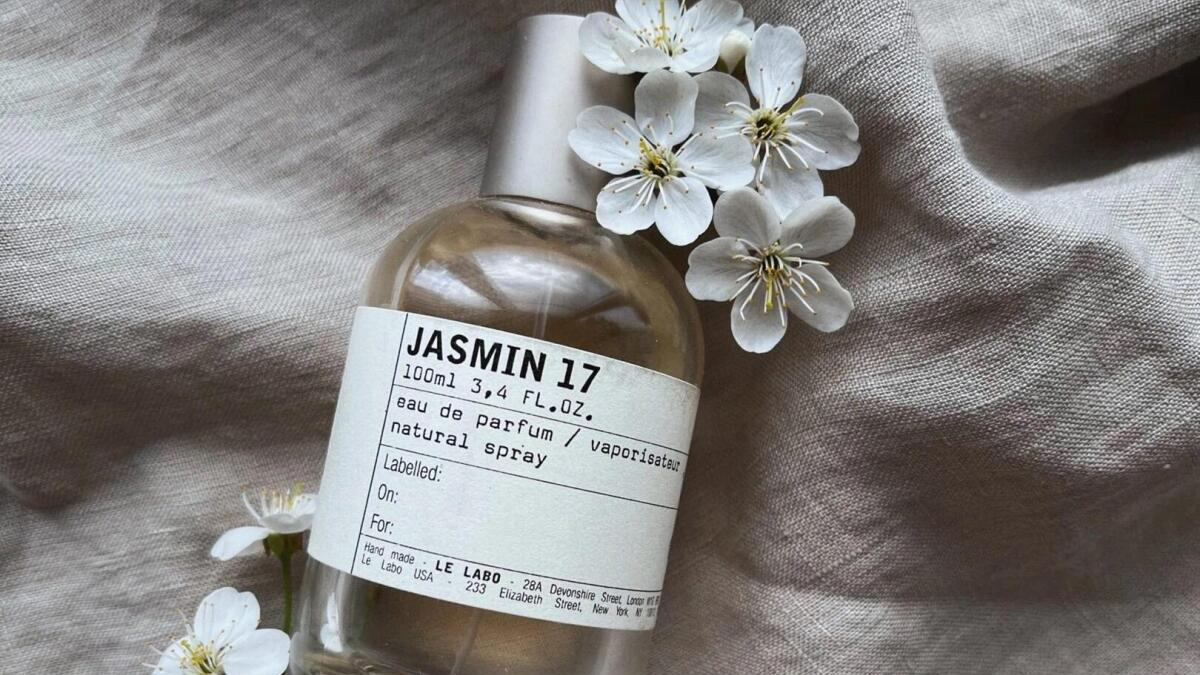
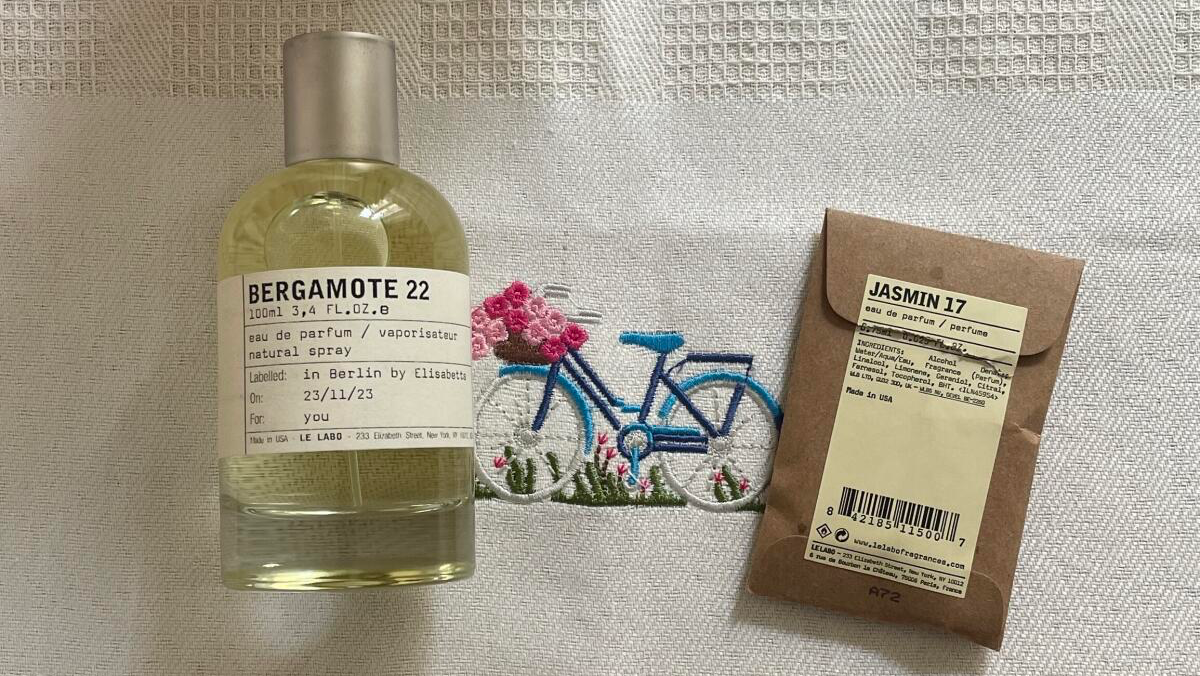
When you buy your fragrance, it becomes truly yours. An expert, not a machine, creates your personalised label at the counter.
Your name, the date, and where you bought it are handwritten on the label. This makes your fragrance unique and special. It’s a moment to pause and connect with your scent in a fast world.
This ritual shows Le Labo’s stand against mass production. Your Santal 33 or Thé Noir 29 is unique, capturing a moment in your life. It’s like a scent memory waiting to be made.
Personalising your fragrance deepens your bond with it. Whether you love the smoky oud, the warm cedar atlas, or the fresh green floral, your bottle tells your story. It’s the human touch in a world of craftsmanship and authenticity.
Deconstructing the Icons: Scents That Captured the Zeitgeist
Le Labo rose to fame with scents that deeply resonated. These scents are more than just perfumes; they mark moments and moods. To understand the brand, you must delve into its core scents.
Santal 33: The Woody, Leathery Phenomenon
Santal 33 has become a modern fragrance icon. It started as a scent and grew into a cultural symbol. Its unique blend is both familiar and new.
The scent opens with a spicy cardamom note, then softens with iris and violet. The heart of the fragrance is a mix of Australian sandalwood, smoky leather, and musk. This creates a woody, leathery scent that feels both intimate and expansive.
It’s not just for one gender, giving off a cool vibe. Its popularity has made it a shared secret worldwide. It’s the quintessential Le Labo scent.
Another 13: The Illusion of the Second Skin
Another 13 is different from Santal 33. It’s a scent that feels like your second skin. It’s you, but better.
Its magic comes from ambroxan, a synthetic that mimics animal musk. This musky base is surrounded by jasmine and moss. The result is deep yet subtle.
Another 13 blends with your skin, creating a soft, skin-like scent. It’s for those who want an aura, not a loud statement. It’s a personal secret that lingers on clothes and in memories.
Pillars and City Exclusives: Bergamote 22, Thé Noir 29 and Beyond
The classic collection also features other beloved scents. Each offers a unique journey, expanding the brand’s story beyond Santal 33 and Another 13.
Bergamote 22 is a burst of joy. It’s a mix of citrus, vanilla, and musk. It’s sparkling, clean, and uplifting.
Thé Noir 29 (or Noir 29) is for those who prefer a deeper scent. It’s a blend of black tea, fig, tobacco, and cedar. Musky and hay notes add complexity, making it intelligent and deep.
The collection also includes Mousse de Chene 30, with its earthy character. But the true exclusives are the City Exclusives. These scents are only available in cities like London, Tokyo, or Dubai.
They act as olfactory postcards, capturing the spirit of a place in a bottle.
For those in Singapore, getting one is a special ritual. It’s a scented souvenir from a global urban oasis. This approach combines rarity with storytelling, making each find deeply personal.
The Craft of Handcrafted Scents: Bespoke Perfumery Unveiled
Creating a Le Labo fragrance is a special ceremony, not just a production line. It honours each ingredient from start to finish. This makes luxury real, telling a story of craftsmanship and care. When you buy a bottle, you get a story where the perfumer is both artist and scientist.
Every step, from picking raw materials to hand-pouring, makes a unique scent for you. This section shows how these handcrafted scents are made.

From Grasse to the Bottle: Ingredient Integrity and Sourcing
Le Labo respects raw materials deeply. It gets many ingredients from Grasse, France, the heart of perfumery. Flowers like jasmine are grown here for their richness.
The journey is worldwide. Australian sandalwood adds warmth, while vetiver from Haiti or Indonesia brings earthy depth. Atlas cedar and resins add to the scent’s complexity.
The brand uses modern synthetics, key for today’s perfumers. Ingredients like ambroxan and synthetic animal musk ensure the scent lasts. This mix is what makes modern olfactive art.
Le Labo works with top perfumers from Givaudan and Firmenich. They make each scent unique. Below, see some key ingredients and their roles in Le Labo’s handcrafted scents.
| Key Ingredient | Primary Origin | Olfactive Character | Role in a Fragrance |
| Australian Sandalwood | Western Australia | Creamy, Woody, Soft | Provides a warm, luxurious base note |
| Vetiver | Haiti, Indonesia | Earthy, Smoky, Rooty | Adds depth and an aromatic, grounding effect |
| Clearwood (Synthetic) | Laboratory-created | Clean, Woody, Ambery | Offers a consistent, sustainable cedar-like note |
| Jasmine & Moss Accord | Grasse, France | Floral, Green, Velvety | Creates a classic, romantic heart structure |
In the store-lab, your fragrance is mixed, poured, and labelled with your name and date. This makes the scent fresh and personal.
This careful process turns buying into an experience. You see the craftsmanship from start to finish.
This detailed approach, from Grasse to your hand, shows Le Labo’s luxury value. It’s not just a scent but a piece of artisanal care and story.
Redefining Luxury: Le Labo’s Impact on Niche Perfume Culture
In a world full of logos and loud ads, Le Labo changed the game. They showed that true luxury in niche perfume culture is about real experiences, not just fancy packaging. This was a big change.
Le Labo made luxury personal. It’s about the journey of creating scents in the lab and the special bond you form with your fragrance. This focus on soulful authenticity created a strong, word-of-mouth following. People loved it so much, they helped spread the word without needing ads.
Your signature scent is a way to express yourself quietly and smartly. It’s an exclusive scent known for its unique character, not just its marketing. This luxury is both sensual and thoughtful, built on real values, not just appearances.
This idea of luxury isn’t just about perfume. Le Labo grew into a brand that cares about every detail of your life. Their home fragrances, like the famous Santal 26 candle, show this. So do their body and grooming products.
Now, you can enhance your scent with shampoo, conditioner, shower gel, and deodorant. Men have special products like beard oil and shaving cream. Each item adds to the luxury of your daily life, making every moment special.

Le Labo Singapore urban oasis scent
In places like Singapore, Le Labo’s message really resonates. This city is known for its modern look and love for luxury. Le Labo offers something unique here.
Le Labo in Singapore: The Quest for Authenticity in an Urban Oasis
Singapore is a city that values being different. Le Labo’s approach to luxury speaks to this. It offers a personal urban oasis.
Visiting Le Labo in Singapore is more than buying a product. It’s a chance to find a scent that’s truly yours. In a busy city, this is a rare find. It’s a way to stand out and be yourself.
The range of products is perfect for this. You can choose a 50ml or 100ml signature scent or a 500ml home scent. You can even personalise your hair and body care. This lets you create your own unique world of scents.
From the famous le labo fragrances to the detailed grooming products, each item helps you create your own space. In Singapore, Le Labo doesn’t just sell perfume. It helps you build your own aromatic retreat in the city. This is what luxury means today: feeling special, not just showing off.
Conclusion
The story of Le Labo shows the strength of a clear vision. Founders Fabrice Penot and Edouard Roschi started a new chapter in niche perfume culture. They focused on soulful, handcrafted scents and a wabi-sabi philosophy, changing what we see as luxury.
Le Labo moved away from mass-produced perfumes to focus on personal touch and craftsmanship. This approach created modern icons. Santal 33’s woody scent and Another 13’s musky allure became cultural hits. Each fragrance, from Bergamote 22’s citrus to Thé Noir 29’s depth, has its own story.
In places like Singapore, Le Labo finds a home among the city’s hustle. It offers a moment of calm amidst the chaos. Their journey shows a lasting truth. In a world of fast trends, people still crave scents with soul, stories, and a personal touch.
Learn more about Le Labo fragrances at Scentformula.sg
Frequently Asked Questions
What makes Le Labo fragrances different from other fragrance houses and why is the le labo scent so talked-about?
Le Labo stands out because everything is handcrafted, often mixed to order in-store, which gives a fresh, personal feel. Their focus on raw materials—like vetiver, ambrette, hinoki, and agarwood—and on minimalist presentation makes their scents feel more like an artisan perfumer's work than mass-market product. The “signature and addictive” quality comes from clever blends of musky notes, amber and unexpected accords (think petrichor or a tea accord) that smell like nothing else.
Are Le Labo fragrances unisex and how do musky notes or cedar and musk behave on different skin types?
Yes, most Le Labo fragrances are designed as unisex fine fragrance. Musky scent elements, cedar and musk or ambrette, can amplify differently depending on skin chemistry—oily skin can make them richer and longer-lasting, dry skin might highlight brighter top notes like bergamot or bitter orange tree. Vetiver and labdanum can add depth and longevity, so the scent evolves over hours.
Which le labo fragrance should I try if I love smoky, woody accords like smoking wood alloy, hinoki, or agarwood?
If you’re into smoky wood and incense-like vibes, look for blends that highlight hinoki or agarwood; Le Labo often layers these with labdanum and amber for a warm, resinous base. Fragrances that include a smoking wood alloy or cedar and musk will feel cozy and complex—perfect if you want something that leans woody and slightly smoky rather than bright and citrusy.
How does Le Labo use floral elements like osmanthus, neroli, or white floral without losing that niche, signature and addictive vibe?
Le Labo tends to use florals in unexpected ways—osmanthus brings apricot-like depth, neroli gives clean white floral brightness, and they’ll balance those with vetiver, galbanum or musky notes so the scent stays grounded. The result is floral but not syrupy—more like refined petals over a warm, slightly mineral base that keeps it niche and addictive.
What's the role of classic ingredients such as bergamot, amber, and labdanum in Le Labo scents?
Bergamot often opens a composition with fresh, citrusy lift while amber and labdanum provide golden, resinous warmth and longevity. Together they create a structure where bright top notes evolve into a cozy, profound dry-down—think bergamot fading into amber-sweetness and labdanum’s leathery depth, sometimes anchored by musk or vetiver.
Can Le Labo fragrances evoke concepts like petrichor, desert wind, or japanese culture in their compositions?
Definitely. Le Labo is great at crafting olfactory stories: petrichor-like mineral accords can be achieved with specific earthy notes and ambrette, desert wind can be suggested with dry, spicy ambers and smoky wood, and hints of japanese culture show up via hinoki (Japanese cypress) or subtle tea accord touches that recall minimal, contemplative spaces.
How long do Le Labo scents typically last and do they perform well as a fine fragrance for evenings or daily wear?
Longevity varies—some Le Labo fragrances are powerhouse long-lasting thanks to vetiver, agarwood, amber and labdanum; others are lighter, more intimate. Many work great for evenings because of deep, musky notes and amber bases, but several are subtle enough for daily wear. Layering with body products or reapplying a spritz helps maintain the vibe.
What's the best way to sample and choose a le labo fragrance from so many niche options?
Visit a store to smell freshly made samples—Le Labo often hand-blends bottles on-site. Test on skin, not just blotter, and give it time to evolve (at least an hour) so you can catch top notes like bitter orange tree or bergamot and later the heart and base: vetiver, labdanum, agarwood, or cedar and musk. If you love how it settles and it feels “signature and addictive,” that’s your pick.
Are Le Labo fragrances sustainable or natural, given they use raw materials like ambrette, agarwood, and galbanum?
Le Labo emphasizes quality raw materials and small-batch production, which can be more sustainable than mass manufacturing. Some ingredients like agarwood have environmental concerns, so responsible sourcing is important. They often blend natural materials (ambrette, galbanum) with synthetics to recreate rare notes ethically while keeping that handcrafted, niche character.