


Creed: Seven Generations of Scented Secrets for Kings and Icons


Ever caught a fragrance and felt like you’ve travelled back in time? A scent can take you straight back to a memory or a place. Today, the market is flooded with new perfumes, but some scents stand out for their lasting appeal.

For over 250 years, one name has shone bright. The House of Creed is a beacon of true perfumery art. It’s a family business, with a legacy spanning seven generations.
Since 1760, this family has perfected the art of fragrance. They use a 4,000-year-old method, focusing on the highest quality natural oils. This dedication has made their scents timeless and synonymous with luxury. Worn by kings and icons, Creed’s fragrances have a special place in history.
Key Takeaways
- Creed represents over 250 years of continuous family expertise in perfumery.
- It utilises a rare, ancient infusion technique that prioritises natural essential oils.
- The house’s creations are defined by their timeless quality and association with luxury.
- Its clientele has historically included royalty and now encompasses global celebrities.
- The brand maintains a devoted, almost cult-like following for its distinctive scents.
- It evolved from a bespoke tailoring business into a world-renowned fragrance house.
- In a market of constant new releases, Creed’s legacy offers a narrative of enduring artistry.
The Aristocratic Beginnings: From Tailored Gloves to Perfumed Elegance
Before they were famous for their fragrances, Creed started in 1760 making fine clothes and scented leather gloves. This was the start of a journey for a company that would serve the elite. Moving from clothes to scents was a natural step, showing a deep understanding of what the aristocracy wanted.
Henry Creed’s Vision: A New London Tailoring Company with a Scented Future
In 1760, Henry Creed opened a new tailoring shop in London. It quickly became a place where the fashionable people of the city would go. Henry had a bigger dream than just making clothes.
He knew his clients wanted more than just clothes. James Henry Creed, a master craftsman, started adding special fragrances to the leather gloves he made. These scented gloves were a unique touch that made his work stand out.
This idea of using scent to enhance elegance was the start of something big. Henry Creed and his son James worked hard to build a legacy that would last for generations.
Establishing the House: 1760, 1781, and the Seeds of a Legacy
The year 1760 is when the House of Creed officially began. The business started with tailoring, but soon became known for its high-quality, custom-made items. But the real turning point came 20 years later.
In 1781, King George III asked for a special fragrance. He wanted something that smelled like his favourite leather gloves. The Creed family used their knowledge of scented leather to create Royal English Leather.
This was more than just a request. It was a moment that changed the direction of the house. The fragrance was a huge success, earning the family their first royal patronage and starting a legacy that would last.
The table below shows the two key years that shaped the house’s beginnings:
| Year | Key Event | Significance | Primary Product |
|---|---|---|---|
| 1760 | Henry Creedestablishes his new London tailoring company. | Formal foundation of the House of Creed. Begins crafting bespoke garments and scented accessories for the elite. | Tailored garments & scented leather gloves. |
| 1781 | King George III commissions a fragrance based on his gloves. | Creation of the first Creed perfume, Royal English Leather. Marks the official entry into perfumery and secures first royal warrant. | Royal EnglishLeather fragrance. |
| This transition from tailor to perfumer established a unique heritage of craftsmanship that continues to define Creed today. |
From these early days, the Creed name became known for excellence. The scents made for kings and icons started in a tailor’s workshop. It was a legacy built piece by piece, and later, drop by precious drop.
Creed, Seven Generations, Scented Secrets, Kings, and Icons: A Family Legacy
Creed’s mystique comes from a simple yet powerful idea: passing artistry from father to son. For over two centuries, this tradition has been the most remarkable secret behind their prestige. It’s a legacy built on personal dedication and olfactive knowledge passed down through seven generations.
The Early Creed Perfumers: Serving the 19th Century Elite
The Creed family was known in Europe’s aristocracy long before fame. Perfumers in the 19th century worked discreetly, making bespoke scents for those who valued privacy and quality.
This time set the stage. It was a period of secret commissions and unique fragrances. The elite of Paris, London, and beyond saw Creed as a source of unmatched luxury.
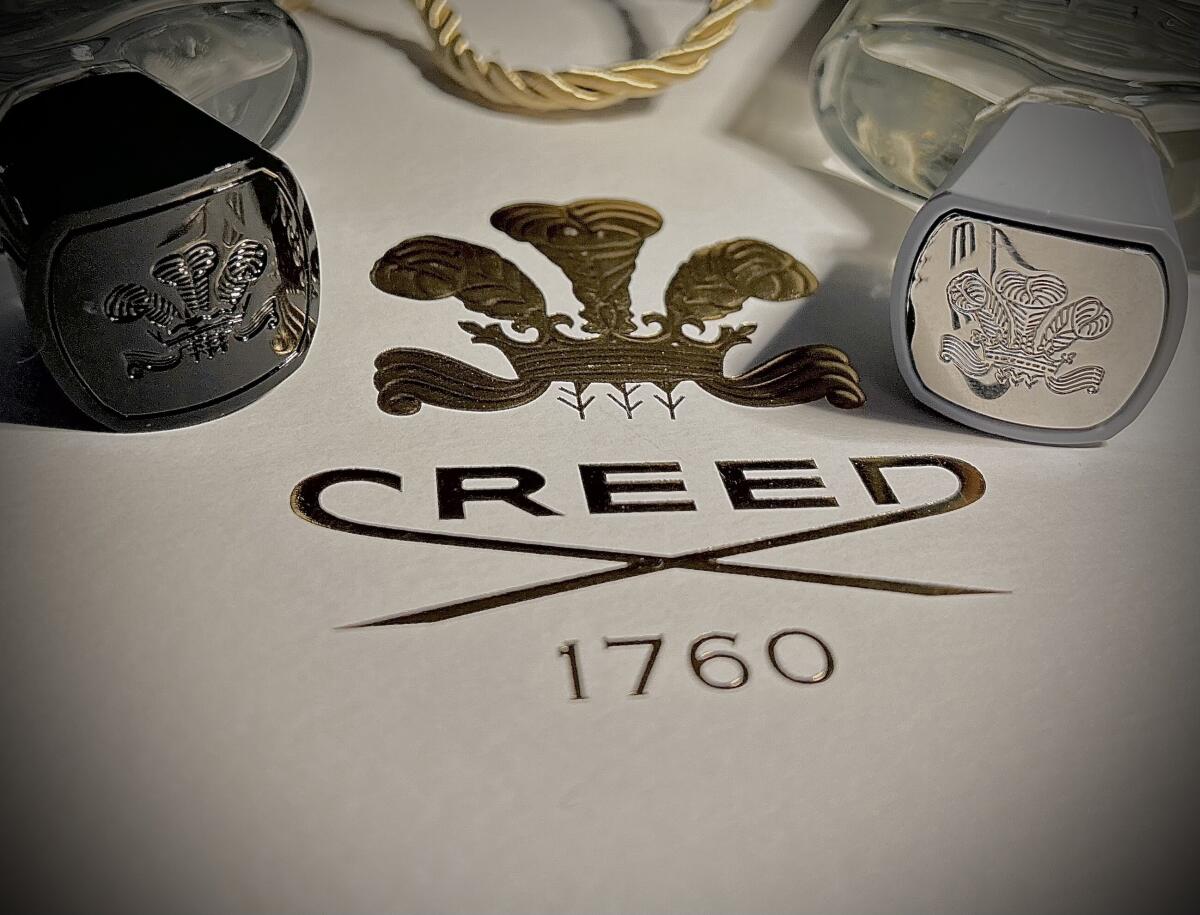
Olivier Creed: The Seventh-Generation Master Perfumer
Today, the legacy lives on through Olivier Creed, the seventh-generation master perfumer. He’s not just a keeper of the past but a leader in modern luxury scent.
Under Olivier’s leadership, the house created fragrances that are now legendary. In 1985, he made Green Irish Tweed, a fresh, angelic scent that became a milestone and a modern classic.
Driven by Artistry and Perfection: Olivier’s Philosophy
Olivier Creed believes every fragrance must be a work of art. He is driven by artistry and perfection, never compromising on ingredients or craftsmanship.
This philosophy reached its peak with Aventus in 2010. A bold, complex scent for men, it became a marketing masterpiece and a global phenomenon. Its success expanded the house of Creed’s reach.
Erwin Creed: The Future of the Family House
Standing beside his father is son Erwin Creed. He brings a fresh perspective to the ancient house, blending tradition with a modern eye.
Erwin Creed is deeply involved in the business. He understands that fragrances like Aventus are key to growth. He once noted the fragrance’s crucial role, saying:
“We couldn’t have opened the New York shop without Aventus’s success.”
This father and son partnership ensures the Creed saga continues. With Erwin being groomed as the eighth-generation custodian, the scented secrets crafted for kings and icons are in safe hands for the future.
Bearing Royal Warrants: The Patrons Who Shaped Creed’s History
Creed’s fame came from the highest society, not just celebrities. It was granted official recognition by powerful figures. Wearing Creed was a privilege for the few.
Special Appointments to Queen Victoria and Principal Courts in Europe
In 1885, Queen Victoria gave Creed a special appointment. This was a royal warrant, showing Creed’s high quality and trust.
Creed made Fleurs de Bulgarie for Queen Victoria. They made scents for specific people, not just picked from a shelf. This honour opened doors to other principal courts in Europe.
Empress Eugénie of France, Czar Nicholas II of Russia, and Emperor Franz-Josef of Austria also chose Creed. Each appointment showed Creed was the perfumer to royalty. Their scents were part of history, worn by those who shaped nations.
From Silver Screen to Royalty: Icons Like Grace Kelly and Cary Grant
In the 20th century, Creed’s clients changed from royalty to cultural icons. They were known for discretion and excellence.
Grace Kelly’s wedding day scent was a special Creed creation. This scent linked with fairy-tale romance.
Cary Grant loved Creed, as did Sir Winston Churchill and President John F. Kennedy. Even today, Washington Magazine notes two American First Ladies wore Love in White.
For most of its history, these perfumes were secret. They were not available to the public. But in the 20th century, Creed shared its legacy.
The scents that once defined palaces and presidential suites could finally be discovered by a wider audience in exclusive venues.
You could now find them in London’s Mayfair or at Bergdorf Goodman. This change let anyone experience the artistry once for kings and icons.
| Era | Patron | Connection to Creed | Significance |
|---|---|---|---|
| Late 19th Century | Queen Victoria | Special appointment in 1885; creation of Fleurs de Bulgarie. | Established the first major British royal warrant, setting a precedent. |
| Turn of the 20th Century | Empress Eugénie, Czar Nicholas II | Commissioned as clients of the house. | Extended Creed’s influence across principal European courts. |
| Mid 20th Century | Grace Kelly | Prince Rainier commissioned her wedding day fragrance. | Symbolised the shift from aristocracy to iconic modern royalty. |
| Mid 20th Century | Sir Winston Churchill | Known client of the house. | Demonstrated Creed’s appeal to influential political leaders. |
| Modern Era | Notable Public Figures | Scents like Love in White worn by prominent individuals. | Shows the enduring legacy of Creed’s exclusive origins in contemporary culture. |
The Creed Method: An Uncompromising Art of Perfumery
Creed scents stand out because of a 4,000-year-old tradition. In a world of quick fixes, Creed sticks to a slow, careful process. This dedication makes Creed truly unique.
The Infusion Technique: Creed’s Signature Approach
The heart of Creed’s fragrances is the ancient infusion technique. Unlike steam distillation, it gently extracts the essence of plants. This method brings out the purest, most detailed aromas.
Creed is the only big fragrance house still using this old method. It’s slower and more expensive. But it results in perfume oils that are clear, rich, and full of character.

Why Creed Uses the Highest Concentration of Natural Essential Oils
Creed starts with the best ingredients. They use the most natural essential oils they can find. Synthetic stuff is used only to help the natural scents.
They also care about where they get their ingredients. Bas Schneiders, Creed’s Director of Sustainability, makes sure everything is traceable. For example, sandalwood is harvested in a way that’s good for the environment. This gives Creed’s scents their unique warmth.
Using lots of natural essential oils makes Creed’s fragrances deep and real. You can smell the iris, jasmine, bergamot, and green apple. This is why Creed scents smell so good on your skin.
Macerating and Ageing: The Secrets Behind a Timeless Scent
Blending is just the beginning. The perfume oils then rest for weeks or months. This lets the different scents blend and improve.
After resting, the scent becomes smooth and complete. It develops beautifully over time. This patience creates a fragrance that lasts and gets better with age.
| Aspect of Perfumery | Creed’s Artisanal Method | Common Modern Perfumery |
|---|---|---|
| Core Technique | 4,000-year-old infusion technique | Primarily industrial steam distillation |
| Ingredient Philosophy | Highest concentration of natural essential oils | Higher use of synthetic aroma chemicals |
| Production Pace | Slow, includes mandatory macerating and ageing | Faster, aimed at rapid market turnover |
| Final Result | Complex, evolving scent with great depth and longevity | Often more linear scent with immediate impact |
Creed’s way of making perfume is the foundation of their success. It turns top-quality ingredients into the legendary scents you know today. This dedication is what makes Creed’s perfumery an art form.
Scents Fit for Royalty: Creed’s Most Iconic Fragrances
Discover scents that have shaped generations. From royal commissions to modern favourites, Creed’s fragrances are timeless. Each bottle tells a story, inviting you to join its legacy.
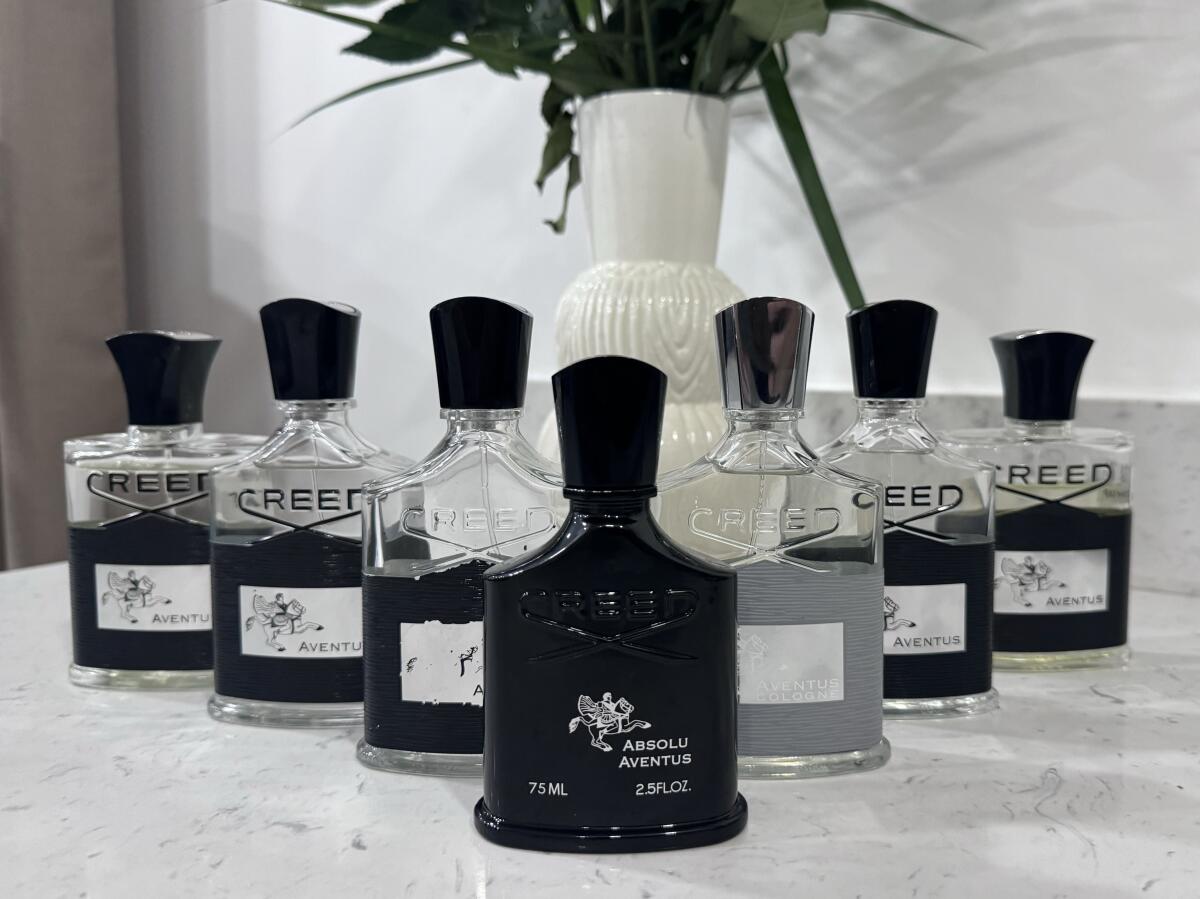
Aventus for Men: The Modern Scent with a Cult Following
Launched in 2010, Aventus for Men changed men’s fragrance. It’s bold, with notes of pineapple and bergamot, showing confidence and success.
This eau de parfum has a global fan base. It mixes smoky birch and musk with green apple, creating a memorable fine aroma. It’s more than a scent; it’s a statement.
Green Irish Tweed: The Fresh, Aristocratic Classic
Created in 1985, Green Irish Tweed is timeless elegance. It captures the Irish countryside’s freshness, perfect for Singapore’s climate.
The scent starts fresh and green, then reveals iris and sandalwood. Ambergris adds warmth, making it a classic timeless scent.
Royal English Leather: A Scent Born for King George III
Go back to 1781 with Royal English Leather, made for King George III. It was for his leather gloves, a royal request.
Today, it’s a heritage masterpiece. It’s a blend of leather, citrus, and wood. Wearing it connects you to Creed’s aristocratic roots.
Love in White, Virgin Island Water, and Fleurs de Bulgarie
Creed also offers other royal-worthy scents. Love in White is a bright, optimistic floral. It’s a favourite among first ladies for its purity.
Virgin Island Water is a tropical paradise in a bottle. It has notes of coconut, lime, and rum, perfect for a holiday.
Fleurs de Bulgarie is a delicate floral for Queen Victoria. It’s a mix of Bulgarian rose, jasmine, and violet, offering classic femininity and grace.
Exploring Creed’s timeless scents means trying Original Santal and Tabarome. From Vetiver to Green Irish Tweed, Creed’s fragrances are more than perfumes. They’re chapters in a scented saga, inviting you to wear history.
Conclusion
The House of Creed started in 1760 with a dream for scented elegance. Its story, passed down through generations, is unique. It spans seven generations, from tailored gloves to global fame.
This legacy is kept alive at the brand’s factory in Fontainebleau. Master perfumers use ancient techniques to create fragrances. Their focus on natural essences makes Creed’s scents stand out.
Every fragrance from Creed carries a deep sense of history. Wearing a Creed scent connects you to a line of kings and icons. The love for scents like Aventus or Green Irish Tweed shows their lasting appeal.
This guide has shown why Creed is special. It’s their dedication to quality, from start to finish. Choosing a Creed fragrance means embracing a fine aroma made with unmatched skill.
The house continues its work from Paris and Fontainebleau. Its future looks bright, with new chapters in its scented history. For seven generations, Creed has been perfecting scents. It’s a history you can wear.
Visit Scentformula and learn more about Creed Perfumes: A Heritage House That Shaped Luxury Fragrance.
Frequently Asked Questions
What is the house of creed and how did Creed started its journey?
The house of creed is a historic perfume house — often called a fragrance house to rely on — that traces its roots back to when the family business began in 1760. Over generations it evolved from a tailor and boutique-style workshop into a global luxury fragrance brand, with stories like serving royalty (Queen Victoria’s household gets mentioned in some histories) and a lineage that led to the seventh generation of makers.
Who is James Creed and what role does he play in the creed fragrance story?
James Creed (often styled as James Henry Creed in older references) appears in the family history as one of the key early figures who helped shape the brand’s reputation for bespoke scents. Modern mentions of James Creed tie into the narrative that the family has been making perfumes across generations — the story that Creed started its journey centuries ago and became known to the public for the first time through notable patrons.
How did perfumer olivier creed influence new scents at the house of creed?
Perfumer Olivier Creed is the contemporary creative force behind many of Creed’s most recognizable releases. He’s credited with crafting new scents that balance tradition and modernity — the kind of fragrance balances fans love — while keeping the family’s signature approach intact. Olivier’s work is part of why people call some releases the best Creed offerings.
What makes creed different — what makes creed special compared to other luxury houses?
What makes Creed stand out is a mix of heritage and craft: a multi-generational lineage (seventh generation craftsmanship), alleged royal commissions, small-batch methods, and a focus on natural ingredients. People often say it feels like a boutique brand even though it’s global. For many, that blend of history and handcrafting is what makes creed feel like the ultimate guide to luxury fragrances.
Is there a connection between leather gloves and Creed perfumes or the house of creed’s image?
Leather gloves pop up in Creed lore and imagery because they evoke classic elegance and bespoke tailoring — the same aura the house of creed channels. In the past, perfumers and tailors often worked together, and accessories like leather gloves symbolize the old-world, Parisian-style luxury that the brand leans into.
What are the best creed fragrances — how do I pick the best creed for me?
Picking the best creed depends on your taste: if you like fresh, green notes try Aventus; for floral, try Love in White; for rich oud or leather lovers, explore Royal Oud or Millésime Imperial. Think of Creed’s range as a boutique wardrobe — sample in-store or request decants, and let notes and longevity guide you. Many fans consider sampling the best creed lineup an essential step before committing.
Did Creed really begin in 1760 and how reliable are those origin stories like being appointed to royal courts or serbie references?
Creed started its journey is a commonly repeated line — the family and brand narrative often cite origins like 1760 and tales of appointments to royal households, including stories tied to Serbie and Queen Victoria’s era. Some of these claims are part history, part legend; they contribute to the mystique of the house but are sometimes debated by historians. Regardless, the mythology has helped shape the brand identity across generations.
How can I experience creed — are their boutiques worth a visit and where can I smell these new scents?
Visiting a Creed boutique is the easiest way to experience new scents and the brand’s full range; boutiques recreate the Parisian luxury vibe and let you sample creations in person. If there isn’t a boutique nearby, many authorized retailers and fragrance communities offer decants so you can try samples. For a true feel of the house of creed, try in-person sampling and talk to staff about perfumer olivier creed’s inspirations and the family’s seventh generation approach.