



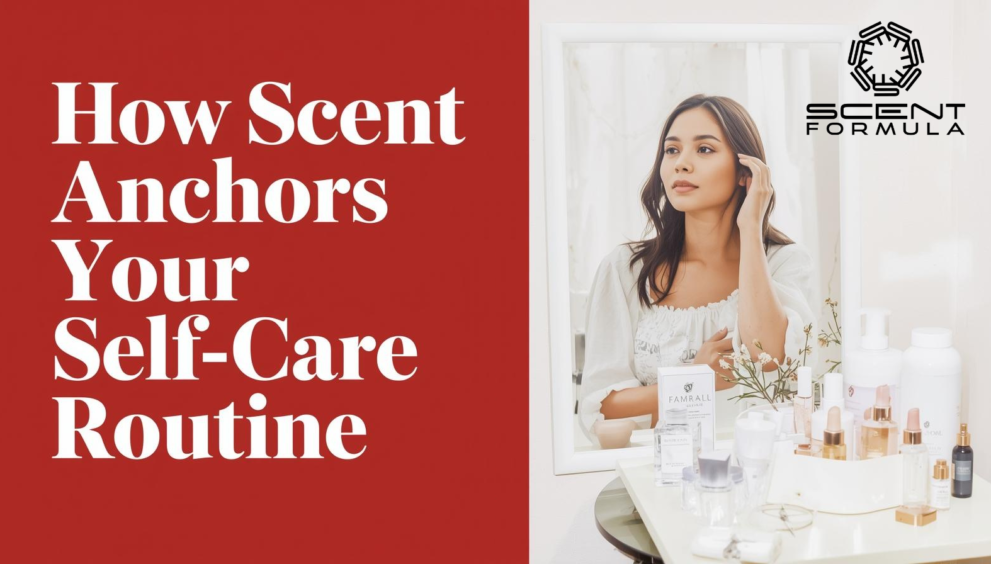
How Scent Anchors Your Self-Care Routine

Can a single perfume really structure your day? When used intentionally, scent becomes a practical tool for self-care — a reliable cue that links memories to moods and helps you show up differently in daily life. Rather than leaving fragrance as an afterthought, turning signature perfumes, perfume oils or a favourite eau de parfum into consistent rituals (for example: a morning spritz, a midday mist or a nightly perfume oil) creates small, repeatable moments of presence and calm.

Key Takeaways
- How a personal perfume can act as a scent anchor, linking memory and mood.
- Practical perfume-led self-care routine ideas you can try in your mornings and evenings.
- Why perfumes and perfume oils can be more portable and discreet than candles or steam inhalation (though eucalyptus steam has its uses).
- Simple, safe rituals — spritz, inhale, note — that create intentional pauses for the self.
- A 7‑day experiment: choose one signature scent and track how those scented moments shape your day and overall wellbeing.
The Power of Scent in Self-Care
The practical power of scent in self-care lies in its ability to shift your mood and anchor small rituals across the day. When you choose a perfume or perfume oil for a particular purpose — energising mornings, a calming midday reset, or an evening unwind — that fragrance becomes a shortcut to a desired emotional state. Research shows scents can quickly influence areas of the brain involved in emotion and memory, which is why intentional fragrance use often feels immediately effective.
Why Scent is Important for Your Routine
Adding a chosen scent to your self-care routine reduces the chance that stress will hijack your day. A soothing scent— whether delivered by a lightweight eau de parfum at the pulse points or a soft perfume mist in your workspace — helps you unwind and recover, while fresh, zesty notes can lift your energy and sharpen focus. Anecdotally and in some studies, citrus accords have been associated with increased alertness, and many people use them to reset their moodduring a long day.
Emotional and Physical Benefits
Engaging the nose can lead to both emotional and physical benefits. A calming scent such as lavender is commonly used to support relaxation and better sleep, while grounding notes like frankincense are traditionally chosen for meditation and centring. When implemented regularly, these scented moments can help regulate stress responses and nurture a steadier sense of self.
How Perfumes Differ from Essential Oils
Perfumes and essential oils are not the same: perfumes are formulated blends with alcohol or oil bases and multiple notes that unfold over hours (top, heart, base), while essential oils are single or blended botanical extracts with stronger aromatherapeutic claims but shorter-lived scents on the skin. For everyday self-care, perfumes (EDP, body mists, perfume oils) offer portability and longevity — ideal for creating reliable scent anchors.
Examples of Scent Use in Self-Care
Practical perfume-led rituals include: a signature eau de parfum applied to pulse points each morning to set intention; a travel atomiser or light body mist for a midday refresh that resets focus; and a small dab of perfume oil before bed to cue relaxation. Swap some diffuser or candle-only examples for these perfume-based options to keep rituals portable and easy to repeat — the core of an effective routine that supports your self.
The Science Behind Scent: Understanding the Olfactory System
The science of scent explains why a perfume can trigger an instant feeling. When you inhale fragrance molecules, they travel through the nasal passages to bind with receptors in the nose; those receptors send signals to the olfactory bulb and on into brain areas that process emotion and memory. Because these pathways connect quickly, a scent can produce an immediate emotional response.

How the Limbic System is Involved
Signals from the olfactory receptors reach the limbic system — including structures such as the amygdala and hippocampus — regions closely tied to emotion and memory. This is why a sniff of lavender can feel calming for many people, while a bright citrus accord may feel enlivening. In short, scent is linked to emotional processing rather than being a crude, one‑to‑one trigger, so individual responses will vary.
The Connection Between Scent and Memory
The science of scent also shows a distinct connection between smell and memory. Because olfactory signals route to memory centres, a familiar fragrance can transport you back to a specific moment or feeling with unusual clarity. That is the principle behind using a signature perfume as a purposeful anchor in your daily routine — repeated exposure helps the brain form an association between the scent and the intended emotional state.
Note: when discussing neurological effects, prefer phrasing such as “linked to” or “associated with” unless citing specific studies; much of aromatherapy’s benefits are supported by a mix of clinical and anecdotal evidence.
Perfumes versus Essential Oils
Quick practical difference: perfumes are formulated blends (alcohol or oil bases) containing multiple notes that unfold over hours (top, heart, base), while essential oils are concentrated botanical extracts often used in aromatherapy. Perfumes tend to offer greater longevity on the skin and a more complex sensory journey, making them well suited to creating reliable scent anchors in daily life.
Choosing the Right Fragrances for Different Needs
Picking the right fragrance for a given moment is central to a balanced self-care routine. Whether you want to soothe, energise or centre yourself, choosing from the appropriate perfume family and format — eau de parfum, body mist or perfume oil — will determine how the scent performs on your skin and in your day.
Fragrances for Relaxation: Lavender, Sandalwood, and More
For evening calm, turn to warm, woody and soft floral scents. Lavender and sandalwood are classic choices: lavender is widely used to encourage relaxation, while sandalwood’s creamy, resinous base notes are prized for their meditative, grounding quality. Consider a light dab of a perfume oil at pulse points or a richer EDP for an evening signature scent that lingers through your bedtime routine.
Invigorating Scents: Citrus, Bergamot, and Eucalyptus
For an energising effect, look to bright top notes such as citrus and bergamot, or crisp aromatic touches like eucalyptus. Citrus accords (lemon, bergamot, grapefruit) often produce an immediate lift, making them excellent for morning bodymists or light EDTs. Note: bergamot can be phototoxic in some raw extracts, so choose perfumery-safe formulations and avoid heavy sun exposure on freshly applied oils or untreated skin.
How to Test and Choose: Notes, Formats and Safety
Perfume selection is both science and taste. Pay attention to the chain of notes — top (first impression), heart (the core character) and base (what stays longest) — to match a scent to the length of the moment you want it to anchor. Try a simple testing checklist: skin test → wait 30 minutes to judge the heart notes → reassess at 3 hours for longevity and again at 8 hours if possible for base notes. For sensitive skin or close-to-bed use, prefer perfume oils or low‑alcohol EDPs and avoid applying undiluted essential oil directly to skin.
Finally, consider the range of formats: a lightweight body mist for mornings, a mid‑strength EDP for daytime presence, and a concentrated perfume oil for evening rituals or layering. Small practical choices like these make it easier to maintain consistent scent anchors across your day and support a reliable self-care practice.
The Ritual of Lighting Scented Candles
Lighting a candle can be a deliberate way to mark a pause in the day — a small ritual that signals it’s time to step back and care for yourself. A well-chosen scented candle with a carefully blended fragrance can set an atmosphere quickly, much like a perfume does on the skin: it creates a cue that helps you unwind and return to a calmer state.
When choosing scented candles, consider whether you want a candle that mimics a perfume’s structure (top, heart and base notes) or one designed primarily for aromatherapy. Perfume-style candles tend to follow a similar progression to an eau de parfum and give a richer, layered olfactory experience, while aromatherapy candles often highlight single botanical notes for a clearer therapeutic aim.
- Select the perfect spot: place your candle somewhere calm and draught‑free so the fragrance can develop and linger.
- Prepare to light: trim the wick to about 6 mm (roughly a quarter of an inch) for an even, clean burn and to reduce soot.
- Enjoy a short ritual: let the candle burn undisturbed for 5–10 minutes, then blow it out and follow with a small dab of a perfume oil or a spritz of your evening eau de parfum at pulse points to carry the scent with you.
Incorporating this candle‑and‑perfume ritual into your self-care routine gives you a portable alternative when you cannot burn a candle (for example at work or on the move). Try a 10‑minute at‑home candle ritual one evening, then apply your chosen perfume oil and note any shift in mood — repeated moments like this help build reliable scent anchors that support your wellbeing across the day.
Using Scent Diffusers in Your Home
A thoughtfully chosen scent diffuser can shape the atmosphere of your home and complement the perfumes you wear. Remember: diffusers create an ambient scent in the air, while perfumes sit on the body as a personal anchor — both can work together if you plan their combinations.
Benefits of Cold Air Scent Diffusers
Cold air scent diffusers (ultrasonic or nebulising types) disperse fragrance molecules without heat, which helps preserve aromatic compounds and gives a stable, continuous scent. They are ideal when you want a consistent background aroma for a room used for yoga, work or relaxation. Use milder blends that complement — not compete with — your daytime perfume: think light citrus or soft floral accords for mornings and shared spaces.

How to Use Reed Diffusers for a Subtle Aroma
Reed diffusers give a steady, unobtrusive scent and are perfect for places where you want a gentle presence — corridors, bathrooms and bedside tables. Choose a reed oil that shares a family with your signature perfume (for example, woody or vanilla base notes) to create a coherent scent range across home and self.
| Diffuser TypeAdvantagesIdeal For | ||
| Cold Air Scent Diffuser | Preserves aromatic profiles; adjustable intensity | Living rooms, workspaces, yoga corners |
| Reed Diffuser | Provides a subtle aroma; low maintenance | Bedrooms, bathrooms, small rooms |
Quick list for matching: living room = light citrus or green florals; bedroom = soft woody or musky bases; bathroom = fresh eucalyptus or clean citrus. If you love a particular perfume, look for diffuser oils that echo a prominent note from that scent so your home and personal fragrance form a harmonious scent identity.
Fragrance Rituals for Daily Self-Care
Small, repeatable fragrance rituals make it easy to weave scent into your self-care routine. Choose perfumes or perfume oils for specific purposes — an energising morning spritz, a discreet midday mist to reset, and a grounding dab of perfume oil for the evening — and the repetition will turn those scents into reliable anchors for mood and focus.

Morning Ritual: Energising Citrus and Ginger
Start your mornings with an invigorating perfume — look for bright top notes such as lemon, grapefruit or ginger. Spritz an eau de parfum on your clothes and a light mist on pulse points; take a mindful moment (three slow breaths) to set intention for the day. If you prefer a lighter touch, a body mist or travel atomiser works well for repeated reapplications.
Midday Break: Calming Aromatherapy and Quick Resets
For a midday pause, a quick perfume mist or a dab of a calming perfume oil can act like a portable aromatherapy session. Scents with lavender or chamomile accords are often used to reduce stress and restore focus. Keep application minimal — one light spritz or a small roll-on — and allow 1–2 minutes to breathe and refocus rather than rubbing wrists together, which can change the scent profile.
Evening Wind Down: Grounding Scents Like Vetiver
As evening falls, choose deeper, grounding notes such as vetiver, sandalwood or soft patchouli. A concentrated perfume oil at pulse points provides a long-lasting, gentle cue for relaxation and helps prepare you for rest. Try a simple three-step nightly ritual: cleanse → apply a small amount of perfume oil → take a moment to reflect on one positive moment from the day. Over time these small rituals help train your responses so the scent reliably signals calm.
Sample 3-step daily routine CTA: morning — uplifting EDP on clothes and pulse points; midday — one spritz or roll-on for a quick reset; evening — a dab of perfume oil before bed. Track how each scent affects your mood over a week to discover which combinations become the most effective anchors.
Scent Anchors, Self-Care Routine, Routine
Think of a scent anchor as a deliberately chosen perfume or perfume oil that signals a particular state of mind. When you use the same fragrance at consistent times — a morning spritz, a quick workspace mist, a small dab before bed — those repeated moments become cues that help you shift into the mood you intend. This is scent as practical self-care: a simple, repeatable ritual that supports everyday wellbeing.
Starting your day with an uplifting citrus spritz and ending it with a warm, woody perfume oil are examples of how a personal fragrance anchor can frame your day and enrich your experience of life. Rather than relying only on candles or diffusers, consider making perfumes the centre of your strategy — they’re portable, long‑lasting and easy to apply at key times.

How to build a perfume-based scent anchor — quick list:
- Pick a signature perfume or perfume oil that feels right for the intended state (energising, calming, grounding).
- Choose clear anchor times (mornings, midday, night) and stick to them for at least seven days.
- Apply consistently at the same spots (pulse points, hair tie, clothing layer) so the scent pairs with a sensory cue.
- Journal a short note about your self and mood after each application to track changes.
Small adjustments — decanting an EDP into a travel atomiser, using a rollerball perfume oil, or pairing home candleswith your perfume notes — make it easy to maintain the ritual. Try a 7‑day signature perfume anchor and see which scent, application point and time of day create the most meaningful shift for you.
Enhancing Mindfulness with Scent
Adding a carefully chosen scent to your mindfulness practice can deepen the effect without fuss. Rather than strong essential oils near the face, opt for a soft perfume mist or a perfume oil roll‑on that delivers a subtle cue to the systemof attention you are training during meditation or yoga.

Aromatherapy and Yoga
Combine gentle aromatherapy with your yoga practice by choosing scents that support calm and concentration — lavender or sandalwood in low concentration, applied to clothing or a wrist rather than directly to the face. If you attend public classes, use minimal scent out of consideration for others.
Using Scent During Meditation
Use scent as a short breathing anchor: inhale your chosen perfume once, take three slow breaths, set an intention, then proceed. This 2–3 minutes ritual acts as a quick reset and helps train your mind to associate that fragrance with focused states. For a home session, a diffuser can create a gentle air ambience, but keep concentration on fragrance that complements — not overwhelms — your practice.
| Mindfulness PracticeRecommended ScentBenefits | ||
| Yoga | Lavender (light) | Supports relaxation and concentration |
| Meditation | Frankincense or soft perfume oil | Anchors breath and deepens focus |
Incorporating Scent into Your Nighttime Routine
Building a calm nighttime routine helps cue your body and mind that it’s time to rest. Thoughtful use of fragrance — especially low‑alcohol eau de parfums or concentrated perfume oils — can signal the transition to sleep without the potential irritation of strong, undiluted essential oils.

Scents for Better Sleep: Lavender and Sandalwood
Lavender is widely used to encourage relaxation and support better sleep; choose a sleep spray or a small dab of a lavender perfume oil on a pillow sachet if you have sensitive skin. Sandalwood, with its warm, woody base notes, makes an excellent evening EDP or perfume oil that lingers gently on clothing and bedding, helping to calm the mind as you prepare for bed.
Practical bedtime perfume ritual: after your shower, apply a tiny amount of a sleep‑friendly perfume oil to pulse points, take three slow breaths while noticing the scent, then change into pyjamas and allow the aroma to carry you into rest. Avoid spraying flammable sprays directly on bedding and ensure good ventilation if you use diffusers in the bedroom.
| ScentsBenefitsUsage | ||
| Lavender | Promotes calm, may reduce anxiety | Sleep sprays, pillow sachets, perfume oils |
| Sandalwood | Induces relaxation, grounding base note | EDP, perfume oils, moisturiser with fragrance |
Transforming Your Bathroom into a Fragrant Retreat
Your bathroom is an ideal place to build simple perfume-centred rituals that lift an ordinary shower into a restorative fragrant retreat. Rather than relying only on undiluted essential oils, use perfume-friendly products — fragranced body washes, shower oils and light perfume oils — to create a spa-like experience that is safe for the skin and easy to repeat.

For a safe, fragrant bath: choose a bath product formulated for direct use (bath oil or bath milk) or dilute essential oils in a carrier oil before adding to water — avoid dropping undiluted essential oils straight into the tub. Eucalyptus can feel invigorating in the bathroom but may irritate some people; use it sparingly and avoid around infants or anyone with respiratory sensitivity.
Post-shower, lock scent into the skin with a lightly fragranced body oil or moisturiser before applying a small amount of perfume oil at pulse points. Moisturised skin holds fragrance better, so layering a matching body product and perfume extends your scent’s longevity and creates a cohesive perfume experience.
Consider pairing your chosen bathroom products with a complementary candle or reed diffuser to extend the aroma through the space. A small, well‑matched candle can enhance the mood, but always follow candle safety guidance and never leave them unattended.
“A neat, inviting bathroom helps you notice the little sensory rituals that make a routine feel luxurious.” – Marie Kondo
Quick at-home test: try applying a perfume oil immediately after your shower and note how long the scent lasts over the next day. If you want a longer wear, use a hydrating body oil in the same scent family before your perfume application — this simple change often turns a short-lived spray into a day-long anchor for your self-care routine.
Conclusion
Deliberately using fragrance in your daily routine can improve moments of calm, focus and connection to the present — especially when those scents become personal anchors. Choose a signature perfume for the mornings, a light mist for daytime resets and a small perfume oil for the evening; these simple actions help train your brain to associate particular notes with a desired state.
Start a 7‑day perfume anchor experiment: pick one scent, apply it at the same time each day and journal how each moment makes you feel. Pay attention to safety and sustainability — patch test new products, prefer transparent brands and avoid undiluted essential oils on sensitive skin. Over time, these small, intentional fragrance rituals can subtly enrich your life and support better sleep, clearer focus and a steadier emotional self.
Frequently Asked Questions
How does scent affect my well-being and overall wellness?
Scent is tightly linked to emotional well-being because your sense of smell connects directly to the brain areas responsible for emotions. A soothing scent or a relaxing scent can promote relaxation, improve mood, and even help with mental clarity. Using intentional scent in your home fragrance or self-care rituals lets you set the tone for moments of self-care and boost everyday wellness.
What does the science of scent say about why certain scents make us feel calm?
The science of scent shows that odor molecules trigger the olfactory system which sends signals to the brain responsible for emotions and memory. Certain scents like citrus or lavender can reduce stress hormones and unlock feelings of calm and comfort. That’s why a comforting scent or a soothing scent often signals to your body that it’s time to relax.
How can I start a scent journey to enhance your self-care routine at home?
Start small: pick one or two different fragrances to try in different moments—maybe a citrus scents blend in the morning for mental clarity and a relaxing scent at night to promote relaxation. Incorporate fragrances into your skincare routine, home fragrance choices, or self-care rituals to create a scent journey that helps you set the tone for each part of your day.
How do I find my signature scent to elevate my self-care through fragrance?
Think about what emotional response you want—energy, calm, comfort—and try scents that match. Test different scents like citrus for an uplifting boost or woody/floral blends for comfort. Apply perfume lightly on pulse points and notice how specific scents make you feel over a few hours; the right scent becomes your signature scent because it consistently unlocks the mood you want.
Can different scents be used for specific emotional goals in self-care rituals?
Absolutely. Different scents can be matched to specific emotional goals: citrus scents for energy and mental clarity, lavender or chamomile for relaxation and better sleep, and sandalwood or vanilla for grounding and comfort. Intentionally choose a scent to signal to your body what you want to feel—this is a simple way to harness the power of scent in your self-care routine.
How do I responsibly use home fragrance so it enhances your self-care routine without overwhelming others?
Use low to moderate concentrations: reed diffusers, soy candles, or a few drops of essential oil in a diffuser. Keep windows or airflow in mind and place scents where you spend time. Pick the right scent for the space—lighter, citrusy notes for kitchens and energizing spaces; comforting scent blends for bedrooms. Responsible use lets you elevate your mood without overpowering guests.
What’s the best way to incorporate fragrances into a daily skincare routine for wellness benefits?
Choose scented lotions, oils, or facial mists with natural or mild fragrances that complement your skin type. Layering scents—gentle scented cleanser, then a matching body lotion—can create a subtle signature scent that enhances your self-care through fragrance. Be mindful of sensitivities and patch test to keep your skin happy while you harness the power of scent.
How can I use intentional scent to set the tone for different moments of self-care?
Be deliberate: pick a scent for morning focus (scents like citrus), another for afternoon calm, and a relaxing scent for evening rituals. Use the same scent consistently for a particular moment—meditation, bath time, or bedtime—to train your brain to associate that scent with the desired state. Over time, the scent will automatically help you transition into that mood.
Are there any tips for mixing different scents without creating a mess or headache?
Yes—start with a dominant note (citrus, floral, woody) and add one complementary scent in small amounts. Avoid combining too many strong fragrances; less is more. Test blends in a small area or on a scent strip, and give your nose a break between tries. If you want to elevate a space quickly, try layering a subtle home fragrance with a matching body product to keep things harmonious.