
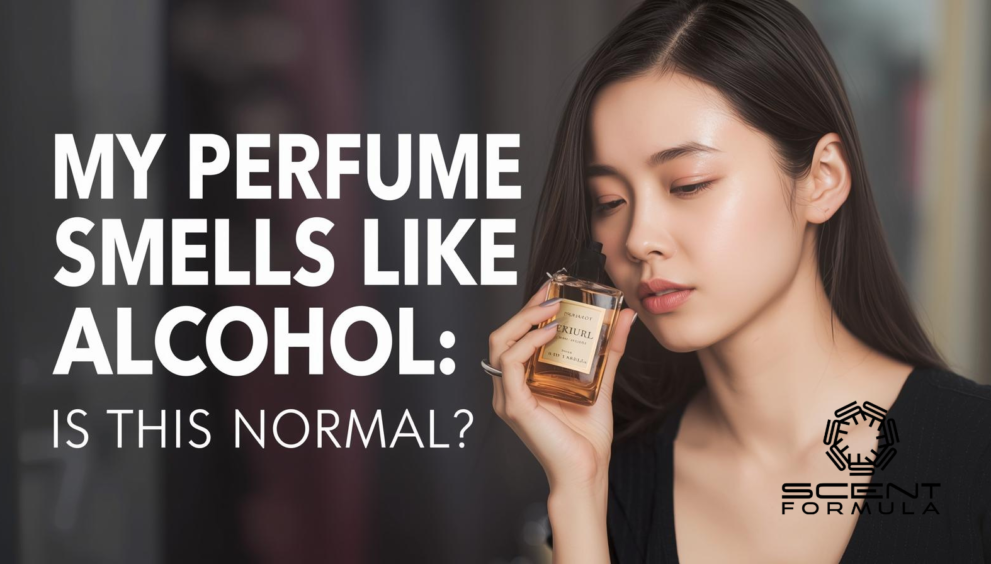
My Perfume Smells Like Alcohol: Is This Normal?

Did you know that almost 95% of top perfume brands use alcohol? When you first spray your favourite scents, you might smell alcohol first. This is normal and doesn’t mean your perfume is of poor quality.
Alcohol is crucial for your fragrance’s performance. It carries the fragrance oils and helps the scent last longer. This article will explain why your perfume might smell like alcohol. It will also show how alcohol is important in perfumery.

Key Takeaways
- Alcohol is a key ingredient in many perfume brands and serves multiple purposes.
- The initial smell of alcohol in fragrance scents is common and usually dissipates quickly.
- Alcohol acts as a carrier for oils and helps preserve the perfume’s blend.
- Perfume quality is not necessarily compromised by the presence of alcohol.
- Understanding the role of alcohol can enhance your appreciation of your favourite fragrances.
Why Does Perfume Contain Alcohol?
Alcohol is key in making perfumes. It helps dilute strong fragrance oils so they’re safe to wear. It also spreads the scent evenly, making it more enjoyable.
“Why Does My Perfume Smell Like Alcohol? The Science Behind the Initial Burst”
Carrier for Fragrance Oils
Alcohol mixes well with different ingredients, creating a balanced scent. It blends fragrance oils perfectly. This makes the scent consistent and pleasant.
Carrier oils can slow down scent release. Alcohol’s quick evaporation is better for spreading the fragrance.
Evaporation and Projection
Alcohol’s quick evaporation is crucial. It lifts the scent into the air fast. This makes the fragrance easier to smell and more noticeable.
It also shows off the different parts of the perfume. You can enjoy the top, middle, and base notes clearly.
Preservation
Alcohol also keeps the perfume fresh. It stops the fragrance oils from breaking down. This keeps the scent true to its original.
It also makes the perfume last longer. This means you get more enjoyment from your fragrance.
In short, alcohol is essential in perfumery. It carries fragrance oils, spreads scent, and preserves the fragrance. These roles make alcohol a vital part of the perfume world.
The Initial Alcohol Smell: Why It Happens
When you first spray your favourite perfume, the alcohol smell hits you first. This is because alcohol is very volatile. It evaporates fast, helping spread the perfume’s top notes.
Volatility of Alcohol
Alcohol’s quick evaporation is key in how perfume works. It lets the scent burst out right away. This fast evaporation brings out the perfume’s top notes, then blends them with the middle and base notes. Without alcohol, the scent wouldn’t be as complex or impactful.
The Perfume’s “Opening Act”
The initial alcohol smell is like the perfume’s “opening act”. As it evaporates, it brings out the lightest scent molecules first. This is the start of the scent journey. So, the alcohol smell is crucial in how we experience the fragrance at first.
Does the Alcohol Content Affect Quality?
Alcohol in perfumes doesn’t always mean lower quality. It helps balance the scent’s strength and how long it lasts. Different alcohols are used in different amounts for this purpose.
Types of Alcohol in Perfumes
Perfumes, like eau de parfum and eau de cologne, often use ethanol. It’s great at mixing with fragrance oils. This makes sure the scent spreads evenly on your skin.
Different Fragrance Concentrations
The amount of alcohol changes in eau de parfum, eau de toilette, and eau de cologne. This affects how long the scent lasts and the overall quality.
| Type of Perfume | Alcohol Content | Fragrance Longevity |
|---|---|---|
| Eau de Parfum | 15-20% | 4-5 hours |
| Eau de Toilette | 5-15% | 3-4 hours |
| Eau de Cologne | 2-4% | 2-3 hours |
Using different amounts of alcohol lets each perfume stand out. It meets different needs and tastes.

Denatured Alcohol in High-End Fragrances
High-end fragrances use special denatured alcohol. It removes harshness, making the scent purer and deeper. Choosing the right alcohol is key to keeping the fragrance’s unique character.
My Perfume Smells Like Alcohol: Is This Normal?
When you first spray on a new scent, you might smell alcohol. This can be surprising, but it’s normal. Alcohol helps spread the fragrance on your skin.
Many people worry about this alcohol smell, thinking it means the perfume is cheap. But, the science behind perfume shows alcohol is key. It helps the scent last longer and smell better.
This quick evaporation is key for the first smell of your perfume. It lets you enjoy the initial notes before the deeper scents kick in. So, smelling alcohol at first is normal and part of the fun of wearing perfume.
Here’s a quick guide to show how alcohol affects different scents:
| Type | Alcohol Content | Fragrance Longevity | Best For |
|---|---|---|---|
| Eau de Parfum | Medium | Long-lasting | Evening wear |
| Eau de Toilette | High | Moderate | Daily use |
| Body Mist | Very high | Short-lasting | Freshening up |
Knowing this helps you pick the right perfume for you. And it lets you enjoy your scent without worry. Remember, alcohol in perfume is normal and makes your fragrance better.
What If My Perfume Always Smells Like Alcohol?
If your perfume always smells like alcohol, there are a few reasons why. Knowing these can improve your perfume experience. It’s about applying perfume right, considering the environment, and choosing quality scents.
Application Technique
How you apply perfume affects its smell. Make sure your skin is moisturised before applying. A light layer of unscented lotion can help your perfume last longer and smell better.
Environmental Factors
The environment around you also matters. Temperature and humidity can change how your perfume smells. Hot or dry air might make the alcohol scent stronger, while humid air can help the fragrance blend better.

Fragrance Quality
The quality of your perfume is key. High-quality scents blend alcohol better, reducing the initial strong smell. Cheaper perfumes might not do this, leaving the alcohol scent too strong. Choosing better scents can give you a more pleasant and lasting fragrance.
How to Minimise the Alcohol Smell
Reducing the smell of alcohol in your perfume is easier than you think. A few simple steps can make a big difference.
Spray Strategically
Start by spraying your perfume on the right spots. Apply it to your pulse points like wrists, neck, and behind your ears. This way, the fragrance blends well with your skin, reducing the alcohol smell.
Layer with Lotion
Using lotion before perfume is a great idea. Choose an unscented or scented lotion that matches your perfume. It makes the fragrance last longer and reduces the alcohol smell. This simple step makes your perfume smell better and more balanced.

Let It Settle
Patience is key when it comes to perfume. After spraying, wait a bit for the fragrance to settle. This lets the alcohol evaporate and the richer notes to come out. This way, your perfume develops fully, giving you a better scent experience.
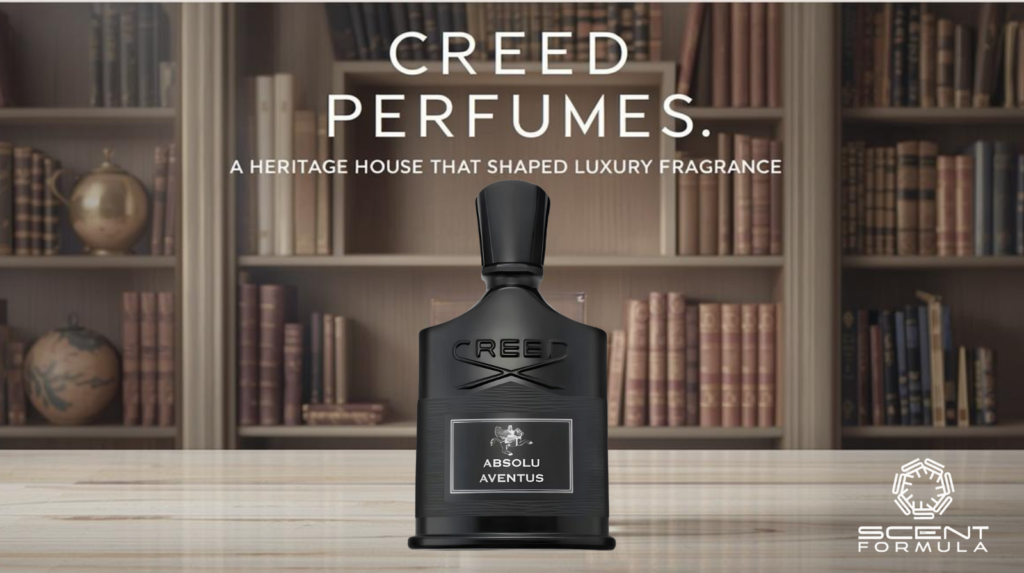
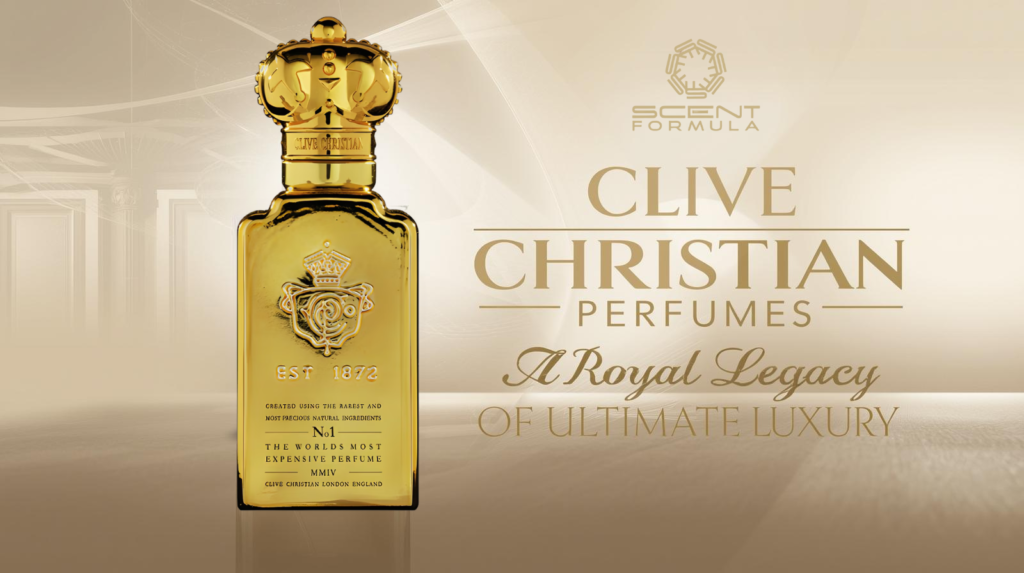
Alcohol in Niche and Iconic Fragrances
In the world of niche perfumes and iconic fragrances, alcohol does more than carry scent. It’s key in creating the unique smell that makes these perfumes stand out.
So, why is alcohol so common in these luxury items? It’s because of the special mix of alcohol components. They make the scent stronger, letting you fully enjoy the perfume’s artistry.

High-end niche perfumes and classic fragrances use alcohol to last longer and offer a rich experience. Without alcohol, these scents would change a lot. They wouldn’t smell the same over time.
When you try these top-notch fragrances, remember the alcohol components are carefully picked. They’re part of the perfume’s magic, adding to your enjoyment.
Importance of Alcohol in Fragrance Longevity
Alcohol in perfumes does more than just add a touch of sparkle. It plays a key role in how long the fragrance lasts. Perfume alcohol mixes the aromatic oils well, making the scent last longer on your skin.
It also helps the perfume’s volatile parts to evaporate more slowly. This keeps the fragrance strong for longer, so you can enjoy it for hours.

Alcohol does more than just help the scent last. It also helps the perfume smell good without being too strong. This balance is key to creating fragrances that make a lasting impression.
| Aspect | Impact |
|---|---|
| Solvent for Aromatic Oils | Ensures uniform mixture, enhancing fragrance longevity and consistency. |
| Component Stabilisation | Maintains scent integrity, resulting in a lasting scent. |
| Projection | Makes the fragrance noticeable without overpowering. |
Alcohol is crucial for a perfume to last. A good perfume has the right amount of alcohol. This ensures the scent lasts and leaves a memorable impression.
Factors That Influence the Initial Burst of Alcohol Scent
The first smell of alcohol in perfumes can change a lot. This depends on your skin type and the place around you. Knowing how these things work together helps you choose better fragrances.
Skin Type
Your skin chemistry with perfume is key. If you have oily skin, scents last longer and the alcohol smell might be stronger. Dry skin, however, can make the fragrance pop out more at first because it dries faster.

Climate and Humidity
The climate effect on fragrance is very important. In hot, humid weather, perfume alcohol evaporates fast, making the scent stronger. But in cool, dry places, the scent spreads out more slowly, so the alcohol smell isn’t as strong at first. So, how a perfume smells when you first put it on depends a lot on the humidity and scent dispersion.
Fragrance Development and Alcohol Use
Alcohol’s role in fragrances has changed a lot over time. It has moved from ancient times to today’s high-tech labs. This shows how alcohol’s use in perfumery has grown and changed.
Historical Context
The perfume history shows alcohol’s key role since the start. Ancient Egyptians, Greeks, and Romans used early distillation to get oils from plants. This made some of the first perfumes.
In the Middle Ages, Europe saw a big leap forward. Arab chemists like Avicenna made better distillation methods. This led to stronger, alcohol-based perfumes that spread everywhere.

Modern Techniques
Now, modern tech has made alcohol use in perfumery even better. Perfumers use new chemical methods and exact measurements. This helps mix alcohol with oils and synthetic scents.
Also, new biotechnology is making alcohol alternatives that are better for the planet. These changes help the evolution of fragrances and meet the need for green products.
The perfume history shows how old ways and new tech work together. This keeps alcohol a key part in making lasting, beautiful scents.
Alternatives to Alcohol-Based Perfumes
For those who seek alcohol-free scents, there are notable options. These include oil-based and balm formulations. They cater to an increasing demand for non-alcoholic perfume experiences.
Oil-Based Perfumes
Oil-based perfumes offer a concentrated and long-lasting scent. They do not have the volatility of alcohol. These fragrances have a thicker consistency and deliver a more intimate scent experience. Here are some key benefits:
- Longer-lasting: The oil helps the perfume adhere better to the skin, ensuring a prolonged scent.
- Moisturising: For dry skin, oil-based perfumes double up as a moisturiser.
- Gentler on the nose: People who are sensitive to alcohol fumes find these perfumes less irritating.
Balm and Solid Perfumes
Another superb alternative is balm and solid perfumes. These compact and travel-friendly fragrances provide various advantages:
- Portability: Their solid form makes them easy to carry and apply without spillage.
- Precision: You can apply them exactly where you want the scent, minimising wastage.
- Sustainability: Often packaged in reusable containers, they are an eco-friendly option.
Here is a comparative look at the advantages of oil-based and solid perfumes.
| Aspect | Oil-Based Perfumes | Solid Perfumes |
|---|---|---|
| Longevity | Highly long-lasting | Moderately long-lasting |
| Travel-Friendly | Moderate | High |
| Application | Requires careful application | Easy and precise |
| Solid perfume advantages | Moisturising for skin | Environmentally friendly |
Opting for oil-based perfumes and solid perfumes opens up a world of lush, alcohol-free scents. Embracing these alternatives not only offers a gentler fragrance experience. It also presents practical and environmental benefits.
Conclusion
Understanding perfumes means knowing how alcohol works. It carries fragrance oils and helps the scent last longer. This makes your perfume smell strong at first and stay with you all day.
Knowing this can help with worries about a strong alcohol smell. It’s a key part of how perfumes work.
How a perfume smells on you can change based on how you apply it and your skin. Using it right and choosing the right lotion can reduce the alcohol smell. Also, the quality and strength of the fragrance matter. High-end perfumes use special alcohol to keep their scent strong.
Exploring fragrances means seeing alcohol’s role as essential. It’s part of the skill in making perfumes. By understanding its role, you can enjoy your favourite scents more.
Frequently Asked Questions
Why does my perfume suddenly smell like alcohol when I first spray it — is that normal?
Totally normal. Upon application the alcohol in the formula evaporates fast, so you’ll often get a pronounced alcohol or rubbing alcohol note at first. Alcohol serves as a solvent and helps disperse the aroma chemicals and essential oils, so that initial scent fades as the true scent and scent profile reveal themselves.
My fragrance smells like chemicals on my skin — could it be the perfume or my body chemistry?
Both are possible. Some perfumes have synthetic aroma chemicals or single note additives that can smell chemical on certain people. Your body chemistry and skin’s ph levels also change how a perfume smells — the interaction can intensify or mute notes and make something smell more like chemicals than the intended aroma.
Can my skin’s natural oils make a perfume smell like rubbing alcohol or alcohol-like?
Yes. The skin’s natural oils and ph levels affect how the alcohol and fragrance evaporate. If your skin is very oily or very dry, the rate of alcohol evaporation changes and the perception of alcohol or a strong alcohol scent may be more noticeable.
How long should the initial alcohol scent last before the true scent comes through?
Usually only a few minutes to 15 minutes. The initial scent fades as the alcohol evaporates and the middle and base notes settle. If the pronounced alcohol scent sticks around for hours, the bottle might have less alcohol than usual or something could be off with that perfume line.
Could a perfume have gone bad if it smells like chemicals or an unpleasant alcohol smell?
Possibly. Perfumes can go bad from exposure to heat, light, or air — oxidized notes often smell off or chemical. If the aroma smells sour, metallic, or just wrong compared to the perfume’s usual scent profile, it could be past its prime or improperly stored.
Are some perfumes just more likely to smell like alcohol because they use more synthetic aroma chemicals or less alcohol?
Yep. Some formulas rely heavily on synthetic aroma chemicals or concentrated essential oils which can smell sharp or chemical at first. Conversely, some body sprays or cheaper perfume lines have high alcohol content that can be pronounced. The balance between alcohol, aroma chemicals, and natural ingredients defines the experience.
Can my sense of smell or body odor make a perfume smell chemical even if it’s fine on others?
For sure. Your sense of smell and body odor interact with the fragrance — body’s natural scents can clash or blend unpredictably. A perfume that smells amazing on a friend might smell chemical on you because of different skin’s oils, diet, or even medication.
How can I reduce the alcohol smell and get to the true scent faster when I apply perfume?
Try spraying on moisturized skin or a neutral unscented lotion so the fragrance binds better to the skin’s natural oils, which can help mask the alcohol note. Apply to pulse points, don’t rub (rubbing can intensify volatile alcohol notes), and let it dry — after a few minutes the true aroma will emerge.