
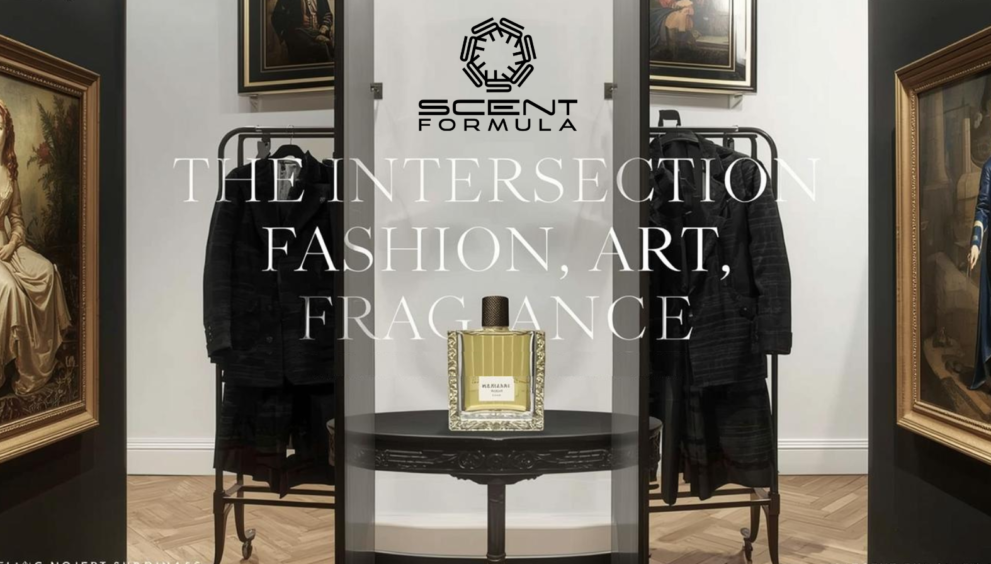
The Intersection of Fashion, Art, and Fragrance

Giorgio Armani once said, “Elegance is not about being noticed, it’s about being remembered.” This quote captures the heart of fashion, art, and fragrance. Each part is crucial in making a lasting impression. Perfume, in particular, is more than a smell. It tells your story, adds to your elegance, and shows who you are.
Exploring how fashion, art, and fragrance come together reveals a world of sensory experiences. This article will show how these areas shape our views and trends. It will also look at the choices we make. Luxury perfumes are a mix of creativity and personal stories, making them key in fashion and art.

Key Takeaways
- The interplay between fashion, art, and fragrance enriches personal expression.
- Perfumes serve as a medium for storytelling and personal narratives.
- Elegance in fragrance enhances one’s overall style and presence.
- Artistic creativity is a significant element in luxury perfumery.
- Fashion influences fragrance trends, highlighting their interconnectedness.
What Defines the Intersection of Fashion, Art, and Fragrance?
The meeting point of fashion, art, and fragrance is a world of rich smells. It’s where creativity and culture blend, shaping our views on beauty. Fashion takes cues from art, mixing sights and touches for a full experience.
Fragrance is key here. It brings back memories, letting you relive moments through scent. It’s more than looks; it connects us to trends and times. Each fragrance shares a story, capturing the spirit of its time and adding to fashion and art.
This mix shows how deeply connected these areas are in our lives. Exploring this space, you’ll see how scents make fashion and art even more powerful. It’s a world of smells and sights that leave lasting memories.
The Art of Perfumery: A Marriage of Creativity and Craftsmanship
The art of perfumery is a special mix of creativity and skill. Perfumers, known as “noses,” can blend scents to tell stories and evoke feelings. They carefully pick each fragrance element, choosing ones that bring back memories.
Knowing how to make perfume is all about balance. Perfumes have top, middle, and base notes. These layers make the scent evolve over time. Using high-quality ingredients like jasmine and amber shows the skill needed to turn scent into art.
Perfumes have their own stories, connecting us to our personal tales. A perfumer’s creativity lets them create unique scents. These scents let us explore our identities through smell. The art of perfumery shows the amazing talent and vision of these artists.

| Element | Description | Role in Composition |
|---|---|---|
| Top Notes | Initial scents perceived immediately upon application | Provide the first impression |
| Middle Notes | Heart of the fragrance, developing after the top notes fade | Define the scent’s character |
| Base Notes | Lasting scents that emerge after the middle notes | Add depth and longevity |
Emotional Connections: How Fragrance Evokes Memories and Feelings
Fragrance can create strong emotional bonds, often linking us to the past. The right scent can bring back cherished memories. It might remind you of a loved one or a special day.
Choosing fragrances is a personal journey that shows who you are. Each scent tells a story, making your daily life richer. These emotional connections turn fragrances into key parts of your history.
Exploring perfumes reveals more than just personal stories. It shows us shared human feelings, deepening our love for perfumery. This journey helps us understand how scent shapes our connections with ourselves and others.
Fashion Statements: The Role of Scent in Personal Style
Scent is key in defining your personal style, much like accessories like jewellery and handbags. The right fragrance can make your outfit stand out, adding depth and character. Famous designers know this, creating scents that show off their brand and your individuality.
Choosing the right fragrance is more than just a smell. It’s about creating an invisible mark of your style. By wearing a scent that reflects you, you make a lasting impression. This shows your unique identity, enhancing your fashion statements.
Luxury Perfume as a Fashion Accessory
Luxury perfume is a key fashion accessory, boosting your style and adding a personal touch. It’s like picking the perfect outfit, but for your scent. Your signature fragrance shows off your unique taste and personality.
Seasonal collections are crucial, offering new scents that match the latest trends. Brands like Chanel, Dior, and Gucci create fragrances that match their fashion lines. This ensures your perfume and clothes work together perfectly, showing off your style.

When you try out luxury perfumes, think about how they fit with your style. A light floral scent is great for spring, while a warm musky perfume suits autumn. The right perfume can make your whole look better, showing off who you are in a single spritz.
Trend Influences: The Impact of Fragrance on Fashion Shows
Fragrance is key in creating a lively atmosphere at big fashion shows. Each scent adds to the experience. The fragrance impact at these events often sets the tone, enhancing the visual presentations with aromatic layers that complement the designs. As you watch the runway, you might notice how new fragrances match the seasonal trends.
Fashion houses often introduce new scents at Fashion Week. This links fragrance to high-fashion presentations. It not only highlights the collection but also engages attendees, leaving a lasting impression. By combining visual and olfactory elements, designers tell a deeper story.
Celebrity endorsements and cultural shifts also shape fragrance marketing in fashion. When famous people choose certain scents, it can change what people like. This shows how fragrance and fashion influence each other, shaping personal style.

Exploring the Artistic Expression in Perfume Creation
Perfumery is now seen as a form of art, where scents are blended like painting or sculpture. Each fragrance tells a unique story, taking the wearer to a special moment or feeling. The art of making perfume needs skill and creativity, showing the beauty in each scent.
As more people see perfumery as art, famous perfume brands are teaming up with visual artists. This partnership brings together smell and sight, proving our senses work together. It makes the experience of perfume more than just a smell, turning it into a piece of art.

The look and feel of perfume bottles add to its artistic value. A well-designed bottle invites you to see the craftsmanship behind the scent. This mix of smell and sight not only makes our experiences richer but also shows the power of creativity in all its forms.
Perfumes as Art Pieces: The Aesthetics of Packaging Design
Today, perfumes are seen as art, with beautiful packaging that grabs your eye. The look of these bottles shows the quality of the scent inside. This makes them not just fragrances but also visual wonders. Brands like Chanel and Dior work with famous designers to create luxury items that are also works of art.
The mix of smell and visual beauty makes the experience better. Each bottle has its own story, showing the beauty of fragrances. With fancy details, special shapes, and rich materials, these designs turn a simple item into something special. They can decorate your vanity or shelf, adding to your story.
These artistic scents have also caught the eye of collectors. People collect these perfumes, loving the smell and the care in their packaging. The beauty of each bottle adds to the joy of the whole experience, making perfumes true art pieces.

Exhibitions: The Intersection Where Fragrance Meets Visual Art
The rise of exhibitions focused on scent in art galleries is a big change. These immersive installations offer unique scent experiences. Visitors get to enjoy both the smell and the visual art together.
In these places, fragrance meets visual art in a special way. Artists and perfumers work together. They create spaces that excite all your senses, making you see and smell in a new way.
Visiting these galleries shows how smell and sight are connected. It lets artists share ideas that go beyond usual art forms. This makes us see fragrance as a true art form, deserving of its own place in the world.

Fragrance Houses and Fashion Designers: Collaborations in Creativity
The world of fragrance houses and fashion designers is a mix of art and innovation. These partnerships create vibrant perfume collections that blend fashion and scent. Each collaboration is a unique mix of styles, making fragrances that tell stories and showcase art.
Fragrance houses and famous fashion designers are teaming up to explore new smells. For example, Maison Margiela works with artists to make scents that stir memories and feelings. This not only boosts the reputation of fragrance houses but also shows how fashion designers are making a mark in the world of smells.
Take Givenchy and Matthew Williams, for instance. Their perfume collections match the brand’s bold style. These partnerships help create scents that tell the story behind the designer’s themes.
These collaborations give people a chance to experience a brand in a new way. Fashion designers add their special touch, while fragrance houses use their smell-making skills. This results in unique products that celebrate individuality and creativity.
| Fragrance House | Fashion Designer | Notable Perfume Collection |
|---|---|---|
| Maison Margiela | Various Artists | Replica Series |
| Givenchy | Matthew Williams | L’Interdit |
| Gucci | Alesandro Michele | Flora |
| Chanel | Karl Lagerfeld | Chanel No. 5 L’Eau |

Sustainable Practices in the Fragrance and Fashion Industries
More people are now caring about the environment, changing the fragrance and fashion worlds. Brands are focusing on being green to meet new standards. This shift shows a move towards luxury that cares about the planet and people.
For example, Maison July of St Barth leads by offering vegan and eco-friendly perfumes. These options let people enjoy luxury without harming the environment. It’s not just a marketing trick; it’s a real change in how these industries see themselves.
- Eco-friendly sourcing: Many fragrance houses are investing in sustainably sourced ingredients, reducing the carbon footprint associated with their materials.
- Responsible packaging: Innovations in packaging design, employing recyclable or biodegradable materials, are gaining traction.
- Transparency and traceability: Brands are increasingly transparent about their supply chains, allowing consumers to make informed decisions.
This push for green practices is key for the fragrance industry. It makes sure luxury meets today’s ethical standards. By combining fashion and fragrance, we not only look good but also help the planet.

The Future of Fragrance: Trends at the Intersection of Fashion, Art, Fragrance
The future of fragrance is exciting, blending fashion and art. Trends now focus on unique fragrance experiences. Brands are making scents that match what people want, creating a special bond.
Technology is key in changing how we enjoy fragrances. It brings new ways to experience scents, like digital systems and augmented reality. These tools make fragrances more engaging and show the art in scent-making.
This mix of fashion, art, and tech is creating a vibrant world for fragrance lovers and makers. Artists are using new materials and methods, pushing the limits of fragrance art. This will keep inspiring future fragrance experts and fans.
| Aspect | Current Trends | Future Predictions |
|---|---|---|
| Personalisation | Mass-market fragrances with broad appeal | Customisable scents tailored to individual preferences |
| Technology Integration | Basic digital advertising | Advanced AR and AI experiences in fragrance marketing |
| Artistic Expression | Classic perfume compositions | Experimental and boundary-pushing fragrance creations |
| Consumer Engagement | Traditional retail experiences | Interactive and immersive scent exploration |
Conclusion
Exploring the links between fashion, art, and fragrance shows us how they come together. They create experiences that deeply connect with our personal expression. Each scent and fashion choice tells a story, weaving a rich tapestry of creativity.
This journey shows how each element affects the others. It builds emotional connections and appreciation for beauty. Seeing fragrance as art, not just an accessory, makes it a key part of your style and identity.
In the end, fashion, art, and fragrance are more than just looks. They celebrate creativity, authenticity, and personal stories. Embrace this mix to inspire your own unique expressions in the worlds of fashion and art.
Visit https://scentformula.sg to learn more about fashion, art and fragrances.
Frequently Asked Questions
How do fashion and fragrance come together on the runway?
They’re a perfect match — designers often work with a perfumer to infuse a scent that will embody the show’s artistic vision. A new fragrance or eau de parfum can create a sense of atmosphere, complementing fabrics and silhouettes. Think of aroma notes like musk or lily of the valley floating through a collection: they help captivate the audience and make the moment timeless.
What role does a perfumer play in the intersection of scent and style?
A perfumer is like a composer for scent, translating a designer’s concept into an exquisite blend. They’re meticulous about balance, whether building a niche perfume or a mainstream fragrance brand launch. The result can transcend simple fragrance choices and become a signature scent that feels like wearable art.
Why are niche perfume houses important to the fashion and fragrance conversation?
Niche perfume makers push boundaries — they experiment with unusual accords and artistic concepts that bigger fragrance brands might avoid. These niche fragrances often tell a story, connecting contemporary art, different art forms, and broader fashion in ways that captivate collectors and newcomers alike.
How do fragrance brands collaborate with artists and museums?
Collaborations are huge. Brands team up with visual artists or institutions like the Metropolitan Museum of Art to translate exhibitions into scent, creating fragrances inspired by art pieces or eras. The result is perfume in fashion and art that feels curated and evocative — a fragrance journey that doubles as cultural expression.
What makes a new fragrance feel like a work of art rather than just a product?
It’s all in the intention and detail — an artistic vision, unusual ingredient pairings, and the way a scent evolves on skin. When notes are meticulously chosen to tell a story, the aroma can transcend trends and become iconic. That’s how a fragrance becomes more than smell: it becomes an experience that can infuse memories and emotion.
Can fragrance be used to express identity in fashion and fragrance projects?
Absolutely. Fragrance as a form of self-expression is huge — people use niche fragrance or mainstream eau de parfum to convey mood, era, or persona. A signature scent can embody confidence, nostalgia, or rebellion, helping outfits and artistic statements land with more impact.
What’s the art of layering scents and why do fashion insiders love it?
Layering lets you create a personalized aroma by combining perfumes — imagine a base of warm musk with a top of fresh lily of the valley or an innovative fragrance accord. It’s like mixing paints in contemporary art: you’re creating depth and nuance so the final scent can captivate in a unique way.
How do fragrance launches fit into the broader fashion calendar?
Fragrance launches are often timed with fashion shows, store openings, or cultural events so they have momentum. Brands present a new fragrance as part of a larger narrative — photos, short films, or runway looks — turning a product release into an experiential moment that resonates across the fashion and fragrance world.
How can someone new to niche perfume explore the world of perfume without getting overwhelmed?
Start small: sample strips, decants, or discovery sets let you try different compositions. Focus on a few fragrance families you like, and don’t be afraid to ask a knowledgeable salesperson or perfumer for guidance. Over time you’ll notice which notes — woody, floral, or musky — captivate you and which scents truly embody your style.