
From Composer to Creator: Francis Kurkdjian’s Perfume Philosophy

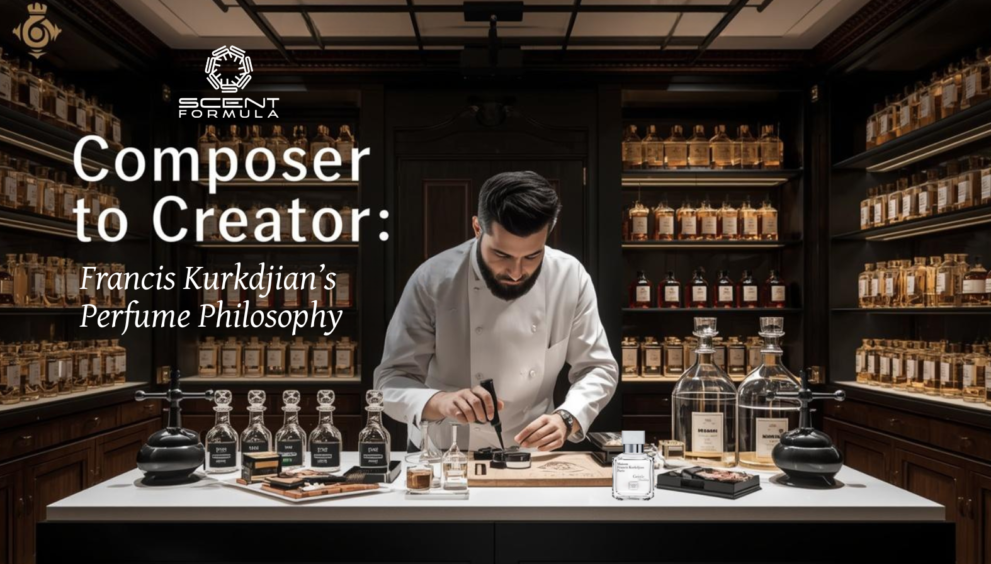
Did you know the global fragrance industry is worth over £50 billion? Yet, only a few artists have changed its purpose. One French perfumer, Francis Kurkdjian, is unique. He doesn’t just make nice smells; he creates “sculptures of the invisible.”

For Francis Kurkdjian, a perfume is more than a simple accessory. It’s a work of art, a way to shape memory and emotion. His career, spanning three decades, has focused on evoking ‘olfactory emotions’ and turning his world vision into olfactory installations.
This philosophy goes beyond just making scent. It sees each creation as an invisible, breathable sculpture. His method makes you think differently about what a fragrance can be. In Singapore, where luxury and art are highly valued, this vision of perfume is crucial.
You’re about to see how a master’s creative process turns raw materials into emotional experiences. This journey shows why his fragrance house has changed the art of perfumery, making it a true form of art.
Key Takeaways
- Francis Kurkdjian sees perfume as an artistic medium, like sculpture or music.
- His main goal is to create ‘olfactory emotions’, not just nice smells.
- He calls his perfumes “sculptures of the invisible,” seeing them as breathable art.
- His work marks a big shift from commercial fragrance to conceptual olfactive art.
- Grasping this philosophy changes how one values and picks a luxury perfume.
- His influence has redefined the role of the modern perfumer as a composer and creator.
- The creative process he champions is as much about discipline as it is about artistry.
The Symphonic Beginnings: From Ballet to Perfumery
Francis Kurkdjian’s journey to becoming a master perfumer was not straightforward. It started in ballet studios, not a lab. His ballet background taught him structure, grace, and emotional precision. These skills are key in creating fragrances.
Early Training: Discipline from Dance and Music
Kurkdjian was trained in classical ballet from a young age. This training was tough, teaching him control, rhythm, and movement’s power. It helped him understand form and balance, crucial for making fragrances.
Music was also a big part of his life. As a pianist, he saw a connection between music and fragrance.
“Music and fragrance are both connected to the air: music is a vibration of air, and fragrance is conveyed by air. Music and fragrance share the same vocabulary. Both involve scales, notes, harmonies, and compositions,”
he said. This idea of scent and sound became central to his work.
Beauty’s power, seen through art, deeply influenced him. Marc Chaya, his future partner, found comfort in videos of ballet dancer Rudolf Nureyev. This showed the healing power of art, a principle in their luxury brand.
The Career Crossroads: Perfumery School Calls
Despite his artistic background, perfumery wasn’t an obvious choice. Seeking a creative outlet, he discovered fragrance creation. Using raw materials as notes to create a fragrance was deeply appealing.
He then decided to go to perfumery school. There, he learned the science and technique needed. He learned to turn emotions and memories into fragrances, starting his journey in niche fragrances.
Apprenticeship at Iconic Houses: Dior, Guerlain, and More
Mastering perfumery takes practice. Kurkdjian’s next step was an apprenticeship at France’s top parfums houses. His time at Parfums Christian Dior and Guerlain was crucial.
At Christian Dior and Guerlain, he learned about classic French perfumery. He worked with experts, learning about raw materials and fragrance structure. This education was invaluable.
These apprenticeships were about learning deeply, not just copying. They taught him about the luxury brand world. This knowledge helped him create his own first perfume and later, Le Male for Jean Paul Gaultier.
Composer, Creator, Francis Kurkdjian’s Perfumes, Philosophy
Francis Kurkdjian believes perfume is an art form that evokes emotions, not tells stories. He doesn’t see fragrances as linear tales. Instead, he composes scents like music or art, aiming for a complex, evolving impression.
This view makes wearing perfume a deeply personal journey. It’s about feeling, not following a plot. For Kurkdjian, perfume as art captures the essence of a moment or person.
Perfume as an Olfactory Portrait, Not a Narrative
Francis Kurkdjian talks about creating “olfactory portraits.” Imagine a portrait painting. It doesn’t move but conveys a subject’s character and mood. He sees fragrances as doing the same.
It’s a snapshot of an emotion or moment, not a story. This idea frees scent from narrative constraints. It allows for free expression and complexity, like modern art.
“Perfume is above all an art of creating emotion. But it’s also an art of occupying space: it spreads out, infuses the air, and sometimes resonates with other olfactory compositions. Perfume is also an art of time… it develops over seconds, minutes and hours, changing constantly.”
– Francis Kurkdjian
Evoking Beautiful Emotions and Specific Moments
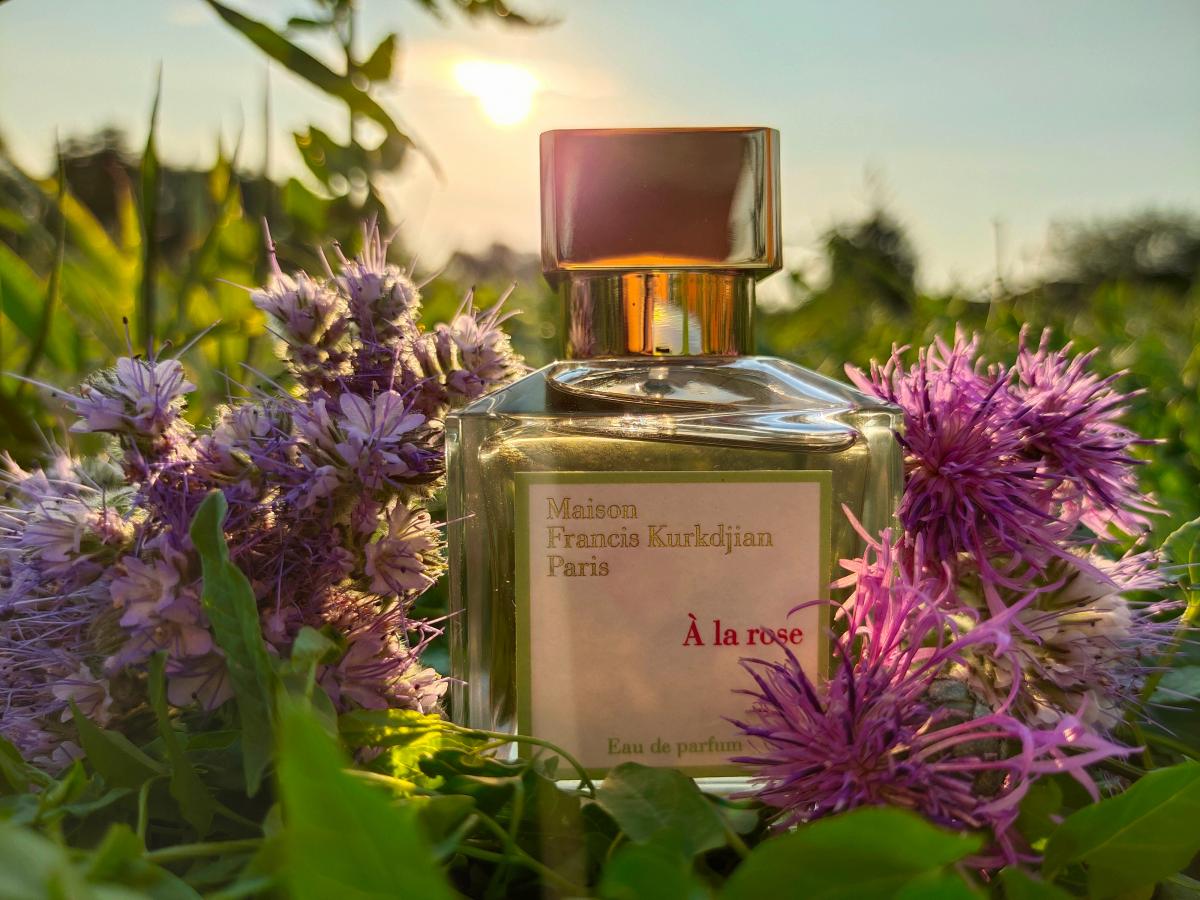
The main goal is to evoke a feeling. Kurkdjian’s scents aim to spark beautiful emotions tied to specific moments. It could be the warmth of amber on a winter evening or the crisp, airy sensation of a citrus grove at dawn.
He’s not trying to tell a story about a place or person. He uses raw materials to paint an emotional state. This makes his perfumes uniquely intimate and subjective.
As he notes, “I strive to adjust my ingredients and modify the proportions to come up with completely new compositions.” He fine-tunes the emotional resonance of each scent through this process.
Cultivating Your Fragrance Wardrobe
How can you apply this perfumer’s philosophy? Build a fragrance wardrobe like you choose clothes for different occasions. This allows you to find scents that match your mood or the setting.
A well-considered fragrance wardrobe offers free expression for every part of your life. It lets you find scents that match your energy or the impression you wish to create.
Consider the following table as a starting guide for building your own curated collection:
| Occasion or Mood | Recommended Scent Character | Example from Maison Francis Kurkdjian’sCollection |
|---|---|---|
| Daytime & Professional | Fresh, Clean, Subtle | Aqua Universalis – A sheer, linen-like freshness |
| Evening & Opulent | Warm, Amber, Spicy | Grand Soir – A radiant, vanilla-amber embrace |
| Special Moments & Confidence | Unique, Complex, Memorable | Baccarat Rouge 540 – An airy, saffron-wood fusion |
| Personal Relaxation | Soft, Comforting, Cosy | À la Rose – A delicate, dewy rose bouquet |
Start with a signature scent for daily wear. Then, add fragrances for different seasons and events. Your wardrobe might include:
- A bright, citrus scent for summer days.
- A deep, woody aroma for formal evenings.
- A soft, musky perfume for cosy nights in.
This mirrors Francis Kurkdjian’s creative process. It treats perfume as a dynamic accessory for self-expression. Your fragrance wardrobe becomes a tool to evoke the right feeling for any specific moment.
Envisioning a New Maison: Maison Francis Kurkdjian
The story of Maison Francis Kurkdjian began with a meeting between perfumer Francis Kurkdjian and businessman Marc Chaya. Founded in 2009, it was more than just a new brand. It was Kurkdjian’s dream for a place where perfume could be pure art, free from commercial pressure.
This dream needed a special setup, blending creativity with smart business. The solution was a partnership based on respect and a love for scents as art.
The Partnership with Marc Chaya: A Shared Creative Vision
Marc Chaya, co-founder of Maison Francis Kurkdjian, brought a key skill. He knew how to build a structure that could showcase Kurkdjian’s talent. Their partnership was a perfect match.
Kurkdjian brought the creative vision and the scents, while Chaya handled the business side. As an exhibition foreword noted, “With Marc Chaya’s support, he has built a unique collection of fragrances.” Their relationship was more than just client and perfumer; it was a continuous dialogue.
“Francis Kurkdjian and I never talk about ‘collaborations,’ but of ‘conversations.’ Maison Francis Kurkdjian’s artistic dimension is not contrived in any way, it is an authentic, voluntary process.”
– Marc Chaya
This approach of “conversation” made every decision, from scent to bottle design, part of a bigger artistic statement. It allowed the maison to create iconic perfumes and stunning events as one vision.
Redefining Niche Luxury: Expertly Curated Collections
Maison Francis Kurkdjian changed the idea of a luxury brand in niche fragrances. It went beyond exclusivity or small batches. The maison was known for its expertly curated collections.
Each fragrance collection was designed like a wardrobe, not a random mix of different fragrances. You could explore contrasts and harmonies, like choosing outfits. For example, a bold, ambered new fragrance like Grand Soir could be paired with the light, ethereal Aqua Universalis.
The luxury was in the quality of materials, craftsmanship, and the elegance of the curation. The maison saw each perfume as a complete scent portrait, standing on its own while part of a larger story. This set a new standard for niche perfumery.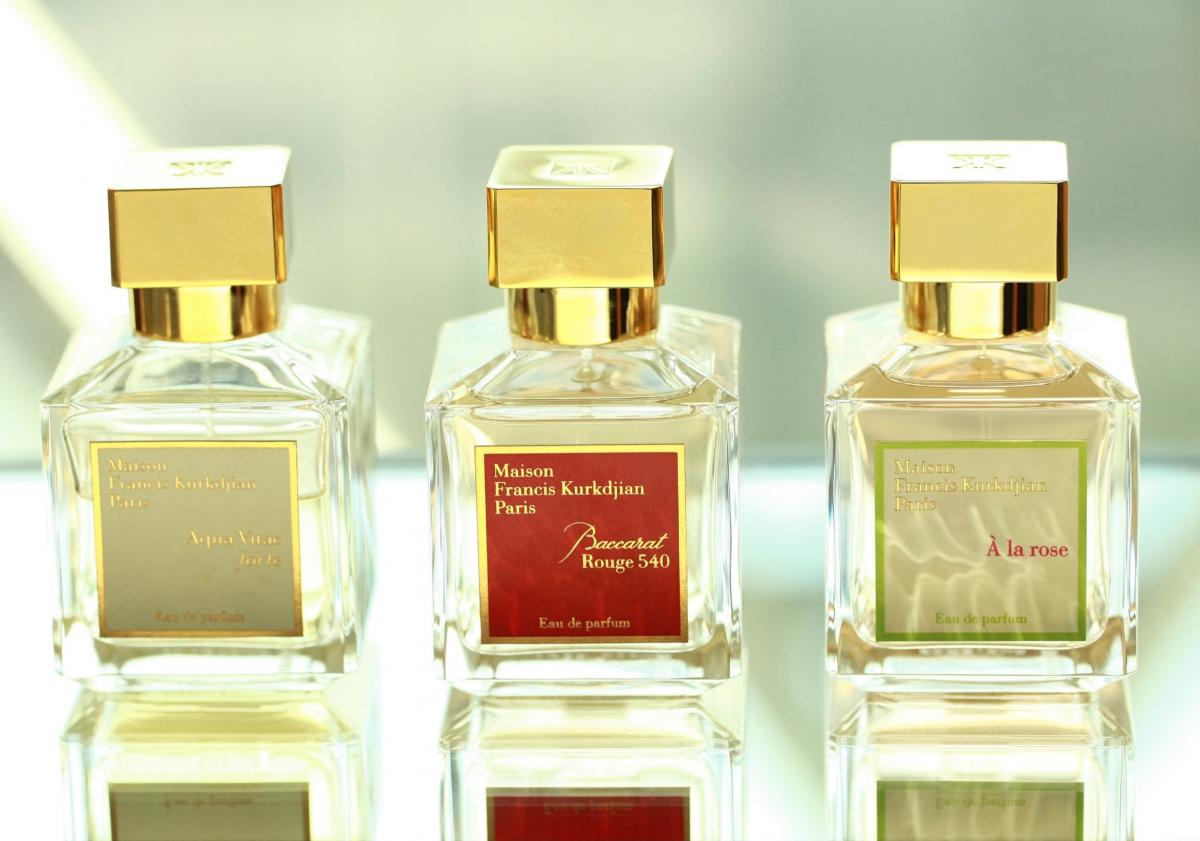
Philosophy Embodied: Deconstructing Iconic Creations
Kurkdjian’s most celebrated creations turn abstract ideas into wearable art. His philosophy is put into practice. Each scent is a lesson in turning emotions or moments into a great perfume.
By looking at these icons, you learn how a perfumer thinks. You also appreciate the craft behind your own fragrances.
Baccarat Rouge 540: Capturing the Ephemeral Glow of Crystal
Baccarat Rouge 540 is a modern scent that shows Kurkdjian’s approach. It captures the essence of light itself.
The Inspiration: Light Refracted Through Baccarat Crystal
Kurkdjian aimed to bottle a sensation, not tell a story. The inspiration was the fiery glow of light through Baccarat crystal at a 540-degree angle. This moment is fleeting and visual. The challenge was to make it smell.
“The exhibition culminates in an immersive installation… inspired by the iconic fragrance Baccarat Rouge 540.”
This quote shows how the scent has inspired other art forms. It started as an idea about light and became a cultural touchstone.
The Olfactive Innovation: A New Amber Accord
To achieve this, Kurkdjian created a new fragrance accord. He combined saffron, jasmine, and cedarwood with a novel amber molecule. This created a scent that feels radiant and warm, like light on crystal but comforting.
This innovation changed what an amber fragrance could be. It’s not heavy or oriental but airy and luminous.
Le Male for Jean Paul Gaultier: A Modern Masculine Archetype
Before founding his own maison, Kurkdjian worked at a iconic house. In 1995, he created Le Male for Jean PaulGaultier. This scent broke the mold. It moved away from harsh, woody scents.
Le Male presented a new masculine archetype. It blended fresh mint and lavender with warm vanilla and tonka bean. The result was a scent that was both clean and sensual, familiar yet groundbreaking.
Its success was immediate and lasting. As noted, “Francis Kurkdjian – who quickly earned recognition for the success of Le Male… wanted to bring the art of fragrance creation to new dimensions.” This early triumph showed his ability to create a fragrance that resonates deeply with culture.
Grand Soir & Gentle Fluidity: Exploring Olfactive Contrasts
Within his own Maison, Kurkdjian explores the full spectrum of scent. Two perfumes, Grand Soir and Gentle Fluidity, showcase his mastery of olfactive contrast. They are designed to offer different fragrances for different moments, moods, and facets of your personality.
Grand Soir is an exercise in opulent warmth. It is a rich, ambery vanilla that feels like a luxurious evening wrapped in a cashmere shawl. It is singular and intense, designed for moments you want to feel utterly enveloped in scent.
In contrast, Gentle Fluidity is built on a dual structure. It exists in two versions: Gold and Silver. The Gold edition is warm and spicy with nutmeg and vanilla. The Silver edition is fresh, aromatic, and musky with juniper and musk. Together, they represent two sides of the same elegant coin. This concept encourages you to think in pairs, building a more dynamic and personal fragrance collection.
| Feature | Grand Soir | Gentle Fluidity |
|---|---|---|
| Olfactive Family | Amber Vanilla | Dual Concept: Aromatic Musky (Silver) & Spicy Woody (Gold) |
| Intended Sensation | Opulent warmth, enveloping comfort | Versatile elegance, adaptable freshness or spice |
| Key Notes | Vanilla, Benzoin, Amber | Juniper, Musk, Nutmeg, Vanilla (varies by edition) |
| Ideal Context | Evening wear, special occasions, cooler weather | Day-to-evening versatility, signature scent potential |
| Philosophical Role | Represents the depth and intensity of a single moment | Explores the contrast and balance within a personality |
This table shows how Kurkdjian designs different fragrances with distinct purposes. Whether you seek the profound warmth of Grand Soir or the adaptable duality of Gentle Fluidity, each bottle is a lesson in olfactive intention.
The Atelier of Scent: Kurkdjian’s Creative Process
Step into Francis Kurkdjian’s atelier and you enter a world where the intangible becomes real. Here, the creative process is a journey, not a formula. It’s about turning feelings, images, and ideas into a scent that comes alive.
Kurkdjian says his inspiration comes from more than just smells:
“When I compose a fragrance, I draw on sensations, words, images. Whatever I can’t express through those sensations, word and images, I convey through perfume.”
– Francis Kurkdjian, Three Questions
Beginning with an Abstract: Emotion, Memory, or Concept
For this perfumer, a new creative process starts with an idea, not just smells. Kurkdjian sees perfume as art. He aims to capture an emotion, a memory, or a concept in scent.
His scents come from:
- A desire to evoke a special feeling.
- A personal memory, like the smell of a childhood garden.
- A challenge from an artist, like creating “the smell of money.”

The Alchemy of Raw Materials: Building a Fragrance
After setting the goal, the real work begins. Kurkdjian mixes raw materials to create a scent. He chooses each ingredient carefully, like an artist with paint.
He doesn’t just mix smells; he builds a scent structure. A woody note gives depth, a citrus note adds brightness, and a floral note brings emotion. He keeps adjusting until the scent matches the idea.
Beyond the Bottle: Olfactory Installations and Artistic Expression
Kurkdjian’s vision goes beyond perfume bottles. He sees fragrances as “sculptures of the invisible, full-fledged works of art whose substance can be drawn into the lungs.” He explores olfactory installations and collaborations, blending scent with modern art.
His work includes scented rooms and perfumed bubbles in galleries. He works with chefs and musicians. These projects show how smell can tell a story, alongside sight, sound, and taste. They show his quest for free expression in perfume.
Kurkdjian wants to prove that scent is a powerful form of art. He aims to create deep, multi-sensory experiences through scent.
Conclusion
Francis Kurkdjian’s journey changes how we see scent. He moved from music to perfume, showing a new way to view fragrance. He sees it as an art form, not just a product.
He believes perfume is a personal art. It brings out moments and feelings. Maison Francis Kurkdjian’s scents show this elegant view.
Kurkdjian wants you to smell emotions, questions, and new sounds. This idea is key to his work. Each scent is a chance to discover your feelings.
Dealing with scent becomes a personal journey. It connects us to the world in a deeper way. This is Kurkdjian’s lasting gift.
The maison francis kurkdjian’s collection is more than fancy. It’s a tool for creating your own scent story. Every choice is a meaningful act.
Perfume is a powerful way to experience life. Kurkdjian’s vision makes perfumery a personal adventure for all.
Visit ScentFormula to learn more about maison francis kurkdjian’s collection.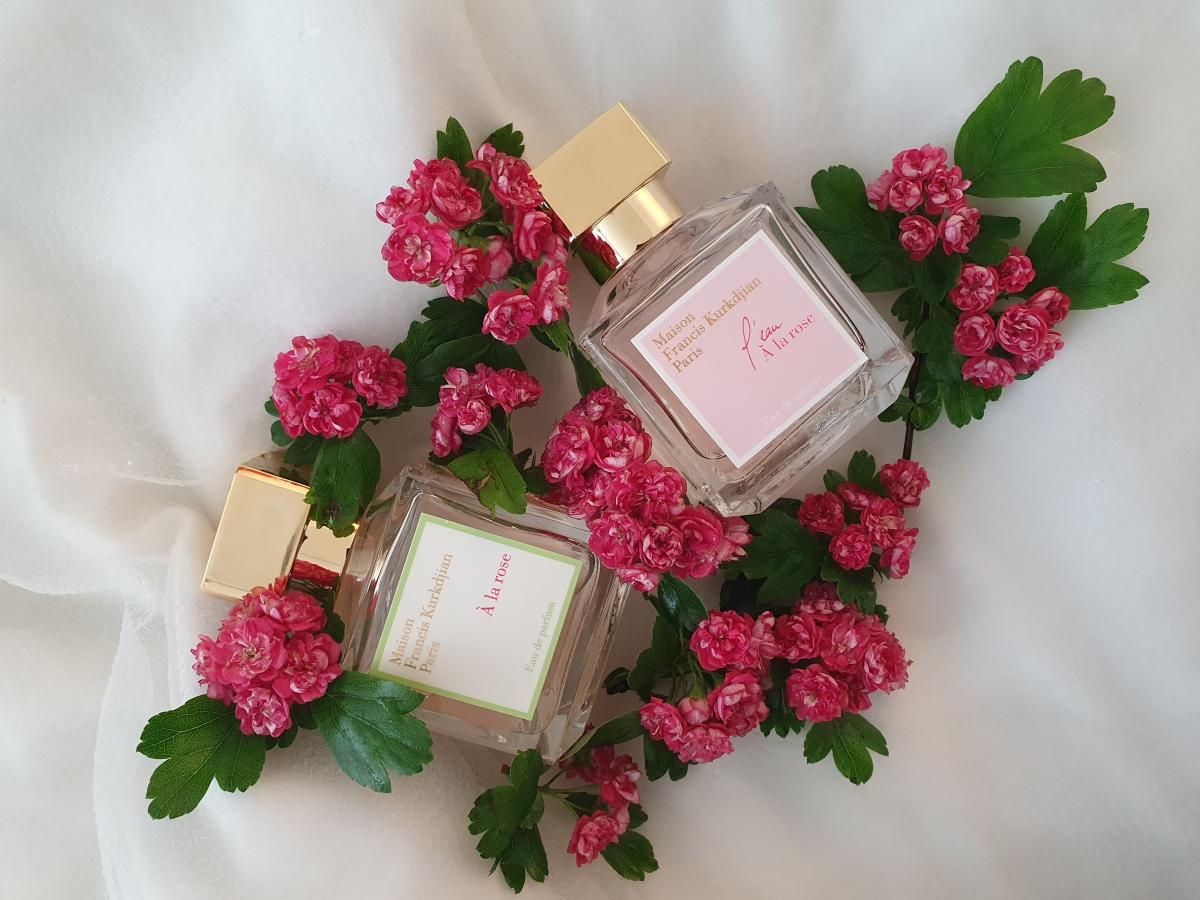
Frequently Asked Questions
What does perfume creation mean in Francis Kurkdjian’s approach?
Perfume creation for Kurkdjian is about composing emotions and memories with raw materials. He treats each scent like music, balancing notes to achieve a natural elegance and sophistication rather than just following trends.
How does Kurkdjian’s background influence his perfume creation process?
His training in classical composition and passion for art shape his method — he thinks in layers, contrasts, and harmonies. That artistic mindset helps him craft perfumes that feel both refined and accessible.
Where does francis kurkdjian sits in the spectrum between artist and perfumer during perfume creation?
Francis kurkdjian sits comfortably in both roles. He’s an artist who understands chemistry and a perfumer who values aesthetic vision, so he leads projects as a creator while staying hands-on with the formulas.
What role does the creation director play in Kurkdjian’s perfume creation team?
The creation director steers the concept, brief, and final aesthetic — often Kurkdjian himself or someone he trusts. They ensure the scent aligns with the brand story while keeping that signature sophistication intact.
How does Kurkdjian balance commercial goals with artistic perfume creation?
He focuses on timelessness and emotional clarity, which often translates into fragrances that sell well without sacrificing creativity. The balance comes from prioritizing honest expression over gimmicks.
Can perfume creation still be sustainable while keeping Kurkdjian’s standards of sophistication?
Absolutely. Kurkdjian and his teams have explored responsibly sourced materials and innovative techniques that maintain scent quality. Sustainability and sophistication can go hand in hand when you redesign formulas thoughtfully.
How hands-on is Kurkdjian during the perfume creation stages from concept to launch?
Very hands-on. He’s involved in initial concepts, raw material selection, and final tweaks. Even as a high-level creation director, he often blends, sniffs, and adjusts scents personally to hit the exact mood he wants.
What makes a Kurkdjian perfume instantly recognizable in terms of perfume creation?
It’s the clarity of idea, balanced structure, and subtle sophistication — a clear leitmotif that runs through the top, heart, and base notes. There’s always a signature elegance that gives his creations lasting identity.