
Memory as Fragrance: The Creative Noses of Replica


Close your eyes for a moment. Can you remember the smell of a sun-warmed library book? Or the crisp salt air of a childhood beach? Or your grandmother’s kitchen? These smells are tied to our sense of smell and our personal history.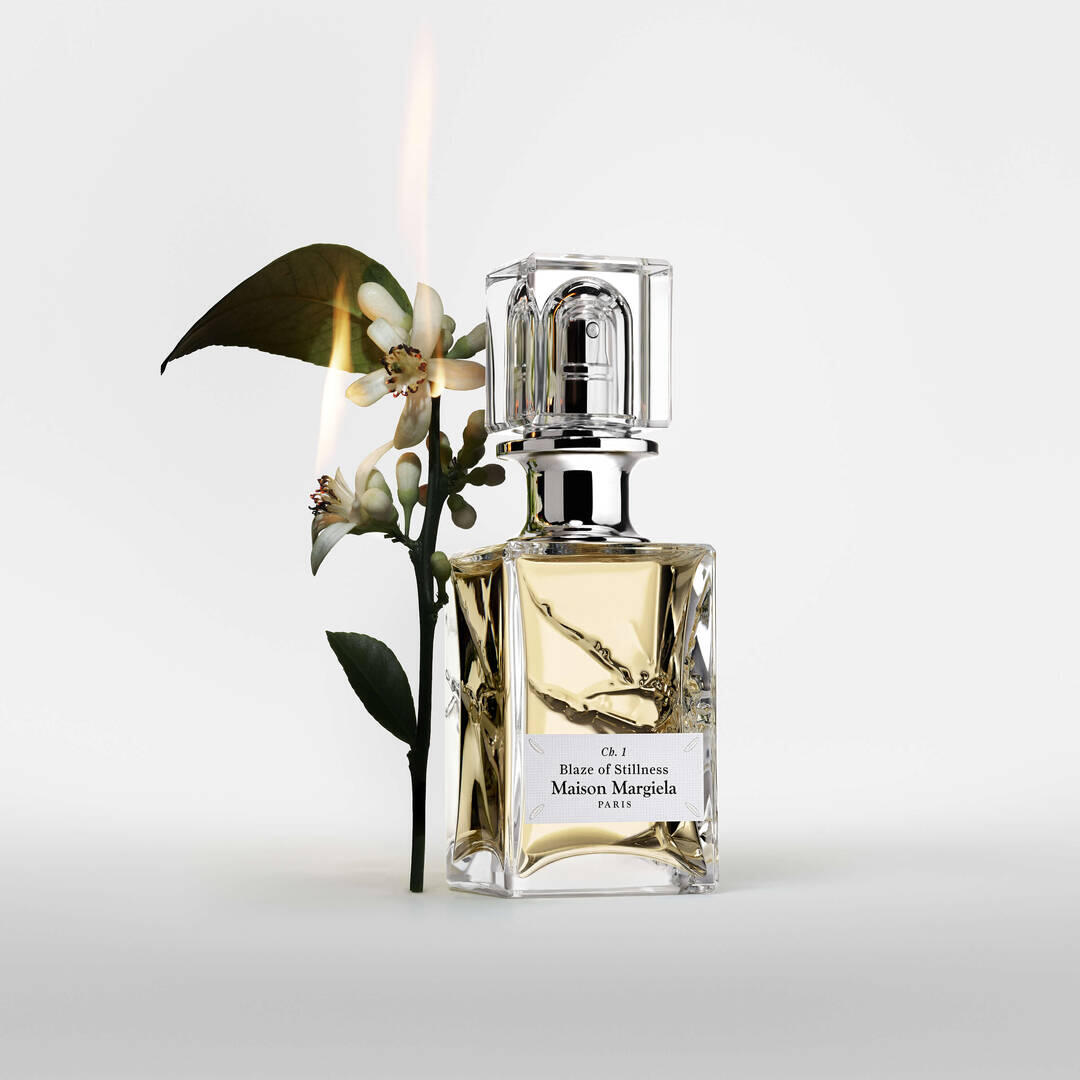
Maison Margiela’s Replica line explores this deep connection. It’s a fragrance collection that captures deeply personal memories in a bottle. It turns the intangible into something you can wear.
Perfumers, or ‘noses‘, are the magic makers. They are both artists and scientists in the world of perfumery. Their artistry is in turning feelings, places, or times into scents that bring back memories for you.
This unique approach has won fans worldwide, including in Singapore. There, a love for niche brands and stories in the beauty industry finds a home in Replica’s fine fragrances.
Key Takeaways
- Our most powerful memories are often linked to specific scents.
- The Replica line by Maison Margiela aims to bottle these ephemeral moments as wearable perfume.
- Perfumers, or ‘noses‘, are the creative artists and technicians behind this process.
- Their work blends artistry with science to translate feelings into fragrance.
- This conceptual approach appeals to markets like Singapore, which values curation and narrative in personal care.
- Choosing a signature scent can be a deeply personal journey into one’s own history.
- The perfume industry is evolving to include more narrative-driven, niche brands.
The Invisible Link: Why Smells Trigger Your Most Vivid Memories
Smell is special. It can bring back memories and feelings in a way no other sense can. Walking past someone wearing a certain perfume might make you think of a loved one. The smell of rain on hot tarmac can take you back to a childhood memory.
This is not just chance. It’s a deep connection in our biology. It makes our olfactory odyssey through life deeply personal.
The Brain’s Direct Line: Olfaction and the Limbic System
To understand this power, look at your brain’s wiring. When you smell something, molecules go up your nose to the olfactory bulb. This is where your brain gets smell.
The olfactory bulb connects directly to your limbic system. This part of your brain is key for emotions and memories.
- The amygdala: Deals with emotions.
- The hippocampus: Helps with making and remembering memories.
This connection is unique. Smells go straight to these areas. This is why a specific scent can trigger feelings or memories more than a photo or song. It goes straight to your heart, bypassing logic.
From Personal Nostalgia to Universal Language
Your scent memory is very personal. But this neural mechanism is universal. Certain smells can evoke feelings across cultures.
The smell of rain, freshly baked bread, or clean linen often brings a sense of comfort or nostalgia. This is why brands like Maison Margiela’s Replica use it. Their master perfumers aim to create scents that evoke shared memories, not just personal ones.
They turn perfume into a way to tell olfactive stories. In a world full of generic scented products, this approach stands out. It speaks to our emotional brain, making perfume a way to connect with others.
Decoding Maison Margiela’s Replica Philosophy
Maison Margiela’s Replica project asks a simple yet profound question: can a smell be bottled like a photograph? This is different from the traditional perfume houses of Grasse, where dreams are the focus. Replica focuses on replicationwith precision. Each fragrance is a snapshot of a moment, presented with scientific accuracy.
More Than a Perfume: The Art of Olfactory Replication
Replica stands out because of its unique approach. Unlike Guerlain, which creates abstract scents, Replica aims to recreate exact smells. It’s about capturing the essence of “Lazy Sunday Morning” or “By the Fireplace”. This makes the perfumer more like an archivist than an artist.
The branding shows this focus on precision. No fancy bottles or mythical names here. Each scent comes in a simple bottle with a label that tells you where and when it was inspired. It’s like a piece of art, challenging the usual perfume stories.
The Laboratory Bottle: Containing a Moment in Time
The “laboratory bottle” embodies this philosophy. Its design is all about keeping things simple and preserved. It’s not just a perfume bottle, but a way to hold onto a memory.
This idea speaks to today’s perfume lovers. While many brands offer scents inspired by feelings, Replica aims to capture those feelings. It works with big names like Firmenich and Robertet to recreate real smells. This makes the fragrance feel personal and real, even if it’s not your own memory.
Maison Margiela’s Replica line does more than sell perfume. It offers a new way to experience memories, all in a simple, beautiful bottle.
Where Memory Meets Brief: The Blueprint for a Scent
The journey of a Replica scent starts in a special place. It’s where a vivid memory meets a creative idea. Before any fragrance creation begins, there’s a crucial phase.
This phase turns an ephemeral moment into a tangible blueprint. It’s the foundational map that guides every decision in the lab.
Pinpointing the Memory: A Date, a Place, a Feeling
How do you bottle a memory? The first step is very specific. It’s not just “a beach holiday.” It’s “the feeling of warm, coarse sand underfoot on Sentosa at sunset, 2019, with the scent of frangipani carried on a salty breeze.”
This exact description forms the creative heart of the project. The perfumer, or ‘Creative Nose’, gets a detailed dossier. It’s like a diary entry, not a traditional perfume brief.
- The Date: A specific year, even a season, to anchor the essence in a cultural and personal context.
- The Place: From a bustling Asian night market to the quiet corner of a Parisian café, the environment dictates the olfactory scenery.
- The Feeling: The core emotional texture—whether it’s nostalgic warmth, carefree joy, or contemplative solitude.
This detailed narrative becomes the non-negotiable framework. It’s the story the final new fragrance must tell, without compromise.
The Perfumer’s Challenge: Translating the Intangible
With this evocative brief, the perfumer faces a monumental task. How does one convert “sunlight filtering through linen curtains” or “echo of laughter in a tiled room” into a harmonious blend of raw materials? This is the alchemy at the core of scent replication.
The perfumer acts as a bilingual artist, fluent in emotion and chemistry. They must interpret abstract concepts. Is “warmth” best conveyed by vanilla absolute, a smoky guaiac wood, or the peppery spice of pink pepper? Is “freshness” the dewy green of violet leaves or the crisp citrus of bergamot?
The greatest challenge is not finding the notes, but finding the spaces between them—the silence that makes the memory feel real.
This process is the opposite of building a formula by numbers. It’s an intuitive, often frustrating exploration. The goal of fragrance replication is not to create a literal smell-of-the-place, but to replicate its emotional resonance. The scent must trigger a similar feeling in you, even if your personal memory is entirely different.
This philosophy bridges the gap between exclusive parfums and approachable home fragrances. It turns every bottle into a vessel for personal narrative, setting the stage for the technical mastery required to bring this blueprint to life.
Inside the Mind of the Creative Noses
To understand Replica is to see the world of ‘noses,’ the creative perfumers. They use molecules like paints. Their job is to catch a feeling and make it last through aroma. This part looks at the mix of science and art in their work.
Crafting an Olfactory Palette: Training and Instinct
Becoming a perfumer is very hard. Many train for years at places like the ISIPCA in Versailles or Grasse. Others learn at big perfume companies like Givaudan.
They learn about many raw materials, both natural and synthetic. They study how these materials work together and change over time.
The real skill of a perfumer is their olfactive memory. This is a huge mental library of scents. A master perfumer can remember a scent’s profile instantly, like a painter remembers their colours.
But, knowing a lot isn’t enough. The key is instinct. It’s knowing which unusual mix might smell like ‘rain on hot pavement’ or ‘sun-drenched linen’. This mix of knowledge and instinct makes a perfumer special.

The Iterative Process: From Sketch to Finished Scent
Creating a perfume is a long, precise process. It starts with an olfactive sketch. This is a simple mix of materials that captures the idea.
Then, the perfumer goes through many changes. They might tweak a molecule by just 0.1%. Each version is tested on a paper blotter first.
The real test is on skin. Perfume smells different on everyone. The perfumer must make sure the scent works right and lasts long. This takes a lot of patience.
It’s a process of distillation, both chemical and emotional. You are removing everything that isn’t the memory.
After many tries, the formula is set. It matches the original feeling perfectly. This is how a moment is turned into a fragrance for personal care and luxury.
This careful process, from a mental library to precise molecule work, is the secret behind Replica. It’s how a moment is kept alive.
The Science of Scent: How Fragrances Are Technically Replicated
Every scent that takes you on a journey is rooted in science. Modern tech helps capture these scents with amazing accuracy. This process turns fleeting smells into lasting, wearable art.
GC-MS: The Gas Chromatograph That Maps a Smell
How do perfumers recreate the smell of rain or a worn leather jacket? They start with a Gas Chromatograph-Mass Spectrometer (GC-MS). This machine is like a scent cartographer.
It vaporises a sample of the aroma. The gas chromatograph separates the vapour into its chemical parts. The mass spectrometer then identifies each molecule, creating a detailed scent map.
This map is the perfumer’s guide. It shows the scent’s main elements and subtle details. GC-MS analysis brings precision that intuition can’t match.
A Modern Perfumer’s Toolkit: Natural and Synthetic Materials
With a scent map, the perfumer starts creating. Today’s palette includes thousands of materials. These are split into natural extracts and synthetic aroma chemicals. Knowing both is crucial.
Harnessing Nature: Jasmine, Vetiver, and Bergamot
Natural materials add depth and complexity. Jasmine from Grasse, France, is known for its floral richness. Vetiverroot from Haiti adds an earthy, smoky base note.
Bergamot from Calabria, Italy, creates bright, uplifting top notes. Other naturals like sandalwood, osmanthus, and lily add unique nuances to scents.
The Alchemy of Synthesis: Creating Novel Aromas
Synthetic molecules are not just imitations. They are tools that expand the perfumer’s creativity. They can create new smells like the scent of air conditioning or sea breeze.
These synthetic wonders ensure consistent scents. They also offer sustainable alternatives to rare natural resources. The iconic Chanel No. 5, for example, relies on synthetic aldehydes.
To understand the roles of natural and synthetic materials, consider this comparison:
| Material Type | Key Characteristics | Common Examples | Primary Role in a Scent |
|---|---|---|---|
| Natural(Essential Oils & Absolutes) | Complex, nuanced, variable by harvest. Provides depth and “soul”. | Jasmine, Vetiver, Bergamot, Patchouli | Often forms the heart or base notes, adding richness and natural texture. |
| Synthetic(AromaChemicals) | Precise, consistent, innovative. Can mimic nature or create new accords. | Iso E Super (woody), Calone (marine), Musks (clean skin) | Used across all notes; provides structure, novelty, and lasting power. |
| Isolates (Purified from Naturals) | Offers a single, consistent molecule from a natural source. | Linalool (from lavender), Citral (from citrus) | Adds specific facets without the full natural oil’s variability. |
The magic happens when blending these elements. A perfumer might use a synthetic molecule for a specific feeling. Then, they add natural jasmine and vetiver to ground it. This blend of science and nature makes a newest scent feel both new and timeless.
Deconstructing Iconic Replica Scents: Case Studies in Memory
Three iconic Replica fragrances offer compelling proof of olfactory memory. They go beyond just scents. They turn shared experiences into a language you can wear.

By the Fireplace: Capturing Wood Smoke and Warmth
This fragrance is a masterclass in evoking a multisensory memory. It doesn’t just suggest a smell. It recreates an entire atmosphere.
The opening crackles with wood smoke and charred notes, instantly transporting you. As it settles, roasted chestnut and spicy clove notes emerge, mimicking the aroma of food cooking nearby.
The dry-down wraps you in creamy vanilla and sweet, resinous guaiac wood. This progression mirrors the experience of moving closer to the hearth’s warmth. The scent becomes skin-like and cosy, capturing the profound contentment of a winter evening by the fire.
Lazy Sunday Morning: The Scent of Sun-Drenched Skin and Cotton
The perfumer’s challenge was to bottle the feeling of pure, unhurried leisure. The result is an airy, clean fragrance that feels like a soft beam of light. Top notes of dewy pear and crisp aldehydes sparkle like morning sun through a window.
The core is a minimalist blend of lily and musks. This creates the impression of sun-drenched skin against freshly laundered cotton sheets. It’s not a floral bouquet, but the ghost of one on a warm breeze.
The overall effect is one of serene calm. It’s the olfactory equivalent of a deep breath on a slow sunday. This scent proves that the most powerful memories are often the quietest.
Jazz Club: An Olfactory Portrait of Nightlife
This is a bold, nocturnal composition. It paints a vivid portrait of sophisticated nightlife. The opening is a spirited punch of pink pepper and rum-soaked lemon, suggesting the first thrilling sip of a cocktail as you enter the venue.
The heart is rich with tobacco leaf and vanilla absolute. This conjures the haze of a crowded, yet intimate, space. A smooth suede-like leather note weaves through, hinting at well-worn club chairs and polished shoes.
Together, these elements build a narrative of energy and camaraderie. It’s the scent of a jazz club at its peak—smoky, sweet, and alive with rhythm. You don’t just smell it; you feel the buzz of the conversation.
The Cultural Scent: Why Replica Resonates in Singapore and Beyond
In Singapore, the search for a personal fragrance has changed. People now aim to create an entire olfactory identity. This shift mirrors a global trend, where perfume is seen as more than just a beauty product. It’s a key part of self-expression.
Maison Margiela’s Replica collection stands out in this new world. It’s especially popular in places like Singapore, where people value sophisticated and trendy scents.
Curating Your Olfactory Identity: The Scent Wardrobe Trend
The days of sticking to one fragrance are over. Now, people build a ‘scent wardrobe’ like they do with clothes. This wardrobe includes scents for different moods, times, and seasons.
Replica’s unique approach fits perfectly with this trend. You might pick ‘By the Fireplace’ for a cozy night or ‘Lazy Sunday Morning’ for a relaxed weekend. Each scent tells a story, helping you build a rich personal narrative.
This trend gives you freedom. You’re no longer tied to one scent. Instead, you create a collection that shows the many sides of your life and personality.
Traditional vs. Modern Fragrance Mentality
| Aspect | Traditional Fragrance Approach | The Modern Scent Wardrobe |
|---|---|---|
| Primary Goal | To find a single, defining signature scent. | To curate a versatile collection for self-expression. |
| Number of Scents | One, maybe two. | Multiple, often from different niche brands. |
| Selection Criteria | Brand prestige, popularity, and longevity. | Emotional connection, story, and situational relevance. |
| Role in Personal Identity | A static, uniform identifier. | A dynamic, evolving extension of identity. |

Storytelling Through Scent: Relevance in Singapore’s Niche Market
Singapore’s market is perfect for Replica’s unique appeal. People here are well-educated, travel a lot, and love new beauty trends. They look for products with depth and a good story.
Replica’s strength lies in its storytelling. Each scent has a memory attached to it. This makes the perfume more than just a product—it’s a conversation starter. In a world where social media is big, this story is very valuable.
Other niche brands like Le Labo and Byredo also do well in Singapore. They offer unique, personal scents. Replica fits right in, offering artistry and relatable stories. For Singaporeans, a fragrance that tells a story is more than a scent—it’s a personal treasure.
Replica’s popularity in Singapore and other places shows a big cultural change. People see fragrance as a way to create experiences and express themselves, not just hide their smell. In a world full of choices, a scent with a story offers a deep connection and meaning.
Conclusion
Maison Margiela’s Replica line takes us on a deep journey. It shows how a fragrance can be more than just a smell. It’s a captured moment, a mix of emotion and science.
The ‘Creative Noses’ behind these scents do something special. They use science to turn memories into smells. This mix of science and creativity is what Replica is all about.
In Singapore’s lively niche market, this idea of scent storytelling fits perfectly. It lets people express themselves through their scents. Each Replica perfume, like By the Fireplace or Lazy Sunday Morning, lets you share your story.
Maison Margiela’s Replica asks you to think about your memories. What moment do you want to relive? This question connects you to a unique form of art. Fragrance becomes a way to hold onto your past and define your present.
Visit ScentFormula to learn more about Maison Margiela’s Replica.
Frequently Asked Questions
What does a perfumer actually do—are they more scientist or artist?
A perfumer mixes both worlds: they study compounds with tools like gas chromatography and mass spectrometry but also rely on intuition, memory and emotion to craft scents. Many trained at perfume school or started as independent perfumer creatives; they see themselves as creative makers who balance the art of perfumery with technical perfume duplication.
How does scent replication differ from fragrance replication—are they the same thing?
People use those terms interchangeably, but scent replication often means recreating a specific smell from memory—like a first scent or a scented candle memory—while fragrance replication targets commercial perfumes or perfume inspired versions that mimic a fragrance house's formula more precisely, sometimes using mass spectrometry data for guidance.
Can scent replication capture memory and emotion like the original perfume?
Yes and no—technically you can recreate the aromatic profile, and that can trigger memory and emotion, but the original context (packaging, brand like Estée, first perfume moment) matters too. The artistry of the perfumer plays a big role in evoking the same feelings even if tiny molecules differ.
Is perfume duplication legal—what about perfume inspired or niche perfumes copying a fragrance house?
There’s a gray area: creating a "perfume inspired" scent or offering "perfume duplication" for personal use is common, but blatantly copying a logo or calling it the original from a fragrance house can lead to legal trouble. Independent perfumer brands and niche perfumes usually avoid direct claims to stay safe.
How do tools like gas chromatography and mass spectrometry help in fragrance replication?
Those tools break down a perfume into its chemical components so perfumers can see what molecules create that first perfume's scent. It’s not a magic recipe—artistry is still needed to blend substitutes and re-create the feel, especially for natural accords like rose that many people like.
Can I make my own scent replication at home for a diffuser or scented candle?
Absolutely—start with a simple accord, test ratios, and use fragrance oils safe for diffusers or scented candle wax. Home perfume duplication won't match lab precision, but it captures memory and emotion well if you approach it like a perfumer: lots of smelling, adjusting, and documenting.
Do perfumers train to recreate smells from memory, like a first scent from childhood?
Yes, perfumers hone that skill—perfume school trains olfactory memory and technique, and many independent perfumer artists practice translating memories into accords. That ability to channel a "first scent" into a wearable perfume is a big part of the artistry.
Why do some people prefer niche perfumes or independent perfumer creations over mainstream fragrance house releases?
Niche perfumes and independent perfumers often take creative risks, use unusual raw materials, and emphasize storytelling—so if you like rose or complex blends that stir memory and emotion, you might find those options more expressive and true to the perfumer’s artistry than mass-market scents.