

Hand-Blended Icons: The Perfumers Powering Le Labo

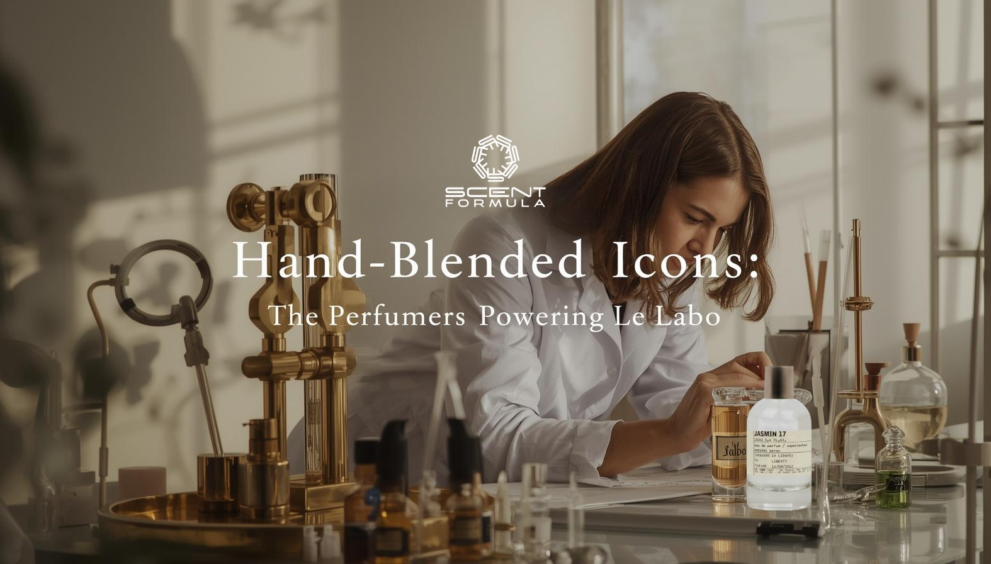
Imagine holding a bottle of Le Labo perfume in your hand. You feel the weight of tradition and smell the deep, evocative scents. These scents take you to another world. Le Labo’s fragrances are more than just smells; they are art, made with passion and care.
Edouard Roschi and Fabrice Penot created a brand where every bottle has a story. They wanted a place where craftsmanship and personal touch are key. When you wear a Le Labo fragrance, you’re not just smelling a scent. You’re embracing a philosophy that values the art of perfume making.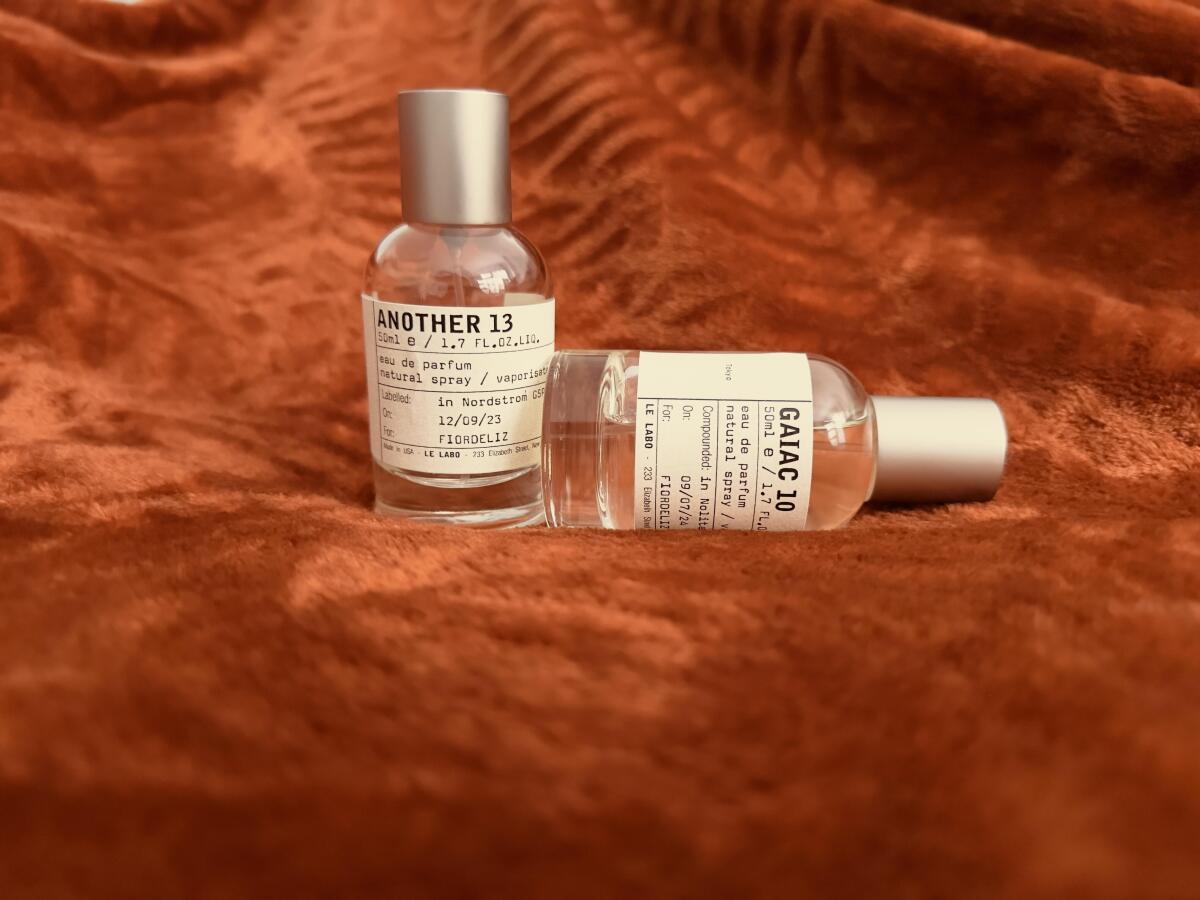
Key Takeaways
- Le Labo’s perfumes are known for their unique, hand-blended techniques.
- Founded by Edouard Roschi and Fabrice Penot, the brand emphasises craftsmanship.
- Each Le Labo fragrance tells a personal story rooted in tradition.
- Choosing a niche perfume from Le Labo is embracing an artisanal love for perfumery.
- Le Labo’s commitment to quality sets them apart in the world of fragrance.
The Artistic Journey of Le Labo’s Perfumers
Le Labo started with the dreams of Edouard Roschi and Fabrice Penot. They are skilled artistic perfumers who wanted to change how we smell. They aimed to make scents that tell stories and touch our hearts.
The Vision of Edouard Roschi and Fabrice Penot
Edouard Roschi and Fabrice Penot came from a world of perfume. They wanted to make something truly special. They dreamed of a brand where each scent is a work of art, not just a product.
Creating Signature Scents with a Soulful Touch
At Le Labo, making scents is more than mixing smells. It’s about capturing feelings, memories, and stories in a bottle. Edouard Roschi and Fabrice Penot lead this effort with their deep knowledge and taste. They make sure each scent connects with the wearer, making Le Labo’s journey a quest for the best smells.
Signature Scents: The Stories Behind Le Labo’s Iconic Fragrances
Exploring Le Labo scent stories reveals the special paths to their iconic fragrances. Each scent is filled with personal and cultural feelings. They are more than smells; they are a part of who we are, our routines, and our daily lives.
Santal 33: The Cult Favourite
is a cult favourite perfume known for its captivating woody scent. It combines Indian sandalwood, papyrus, and leather, creating a timeless and elegant feel. It’s not just a fragrance; it’s a way to express oneself, with a charm that stays with you.
Another 13: A Unique Blend of Musk and Ambrox
Another 13 is special because of its mix of musk and ambrox. It offers a subtle yet intriguing scent. Made with AnOther Magazine, it blends modern and mysterious. The scent of ambrox, mixed with other notes, makes Another 13 a personal and close fragrance for those who wear it.
Hand-Blended, Icons, Perfumers, Le Labo, perfume, fragrance, scent, perfumery
In the world of perfume, Le Labo stands out. They mix hand-crafted skill with artistic vision. This is why they’re loved by many.
Le Labo focuses on real quality and authenticity. Each scent they create has deep character and depth.
Le Labo’s perfumes have their own stories. Their master perfumers pour their heart into every bottle. They choose ingredients carefully and blend them by hand.
This process makes their fragrances not just smell good but also touch our hearts and minds.
Le Labo values hand-blended artistry. They focus on quality and sophistication. This makes them leaders in perfumery.
They keep innovating and perfecting their craft. This lets fans truly enjoy the beauty of their scents.
Many people keep coming back to Le Labo. They’re drawn to the brand’s skill in capturing timeless fragrance. Their blending techniques and the touch of their perfumers are truly special.
The Philosophy of Hand-Blended Fragrances
Le Labo’s fragrance philosophy is all about bespoke perfumery. Each scent is made with hand-blended techniques. This makes each perfume special, with a unique personal touch.
The brand chooses raw materials carefully. Then, they blend these by hand. This brings each fragrance to life.

Le Labo’s hand-blended techniques ensure top-notch craftsmanship. They focus on making each scent unique. This creates a special bond between the creator and the wearer.
Wearing a Le Labo fragrance is a personal experience. It’s not just about the scent. It’s about the journey of scent creation.
Le Labo believes in bespoke perfumery. They think mass production can’t capture true artistry. So, each fragrance is a unique blend of high-quality ingredients.
This makes the wearer part of the scent’s story. It’s not just about using a product. It’s about being part of the creation.
| Aspect | Mass-Produced Fragrances | Le Labo’s Hand-Blended Fragrances |
|---|---|---|
| Production Method | Mechanical and uniform | Handcrafted and unique |
| Ingredient Selection | Standardised | Carefully chosen and high quality |
| Consumer Experience | Broad and impersonal | Personal and intimate |
In summary, Le Labo is all about bespoke perfumery and artisanal fragrance methods. They aim to create fragrances that are both top-quality and personal. Each bottle is a handcrafted work of art, connecting with those who wear it.
Le Labo’s City Exclusives: A World of Exclusive Scents
Le Labo’s City Exclusives collection captures the essence of cities around the world. These fragrances are made with care and an artisan’s skill. They show the true spirit of each city they represent. *Gaiac 10* and *Musky Bourbon Accord* are special, representing *Hong Kong* and *Nashville*.
Hong Kong’s Gaiac 10
*Gaiac 10* brings the lively spirit of *Hong Kong* to life. It has clear and smoky notes that reflect the city’s energy and elegance. This fragrance is a unique journey through the city’s essence.
Nashville’s Musky Bourbon Accord
*Nashville’s Musky Bourbon Accord* captures the essence of *Nashville*. It has deep, rich scents that remind us of the city’s music and whiskey. The bourbon notes make it a true reflection of Nashville’s culture.
| City | Fragrance | Key Notes |
|---|---|---|
| Hong Kong | Gaiac 10 | Gaïac Wood, Musk |
| Nashville | Musky Bourbon Accord | Bourbon, Vanilla, Musk |
Le Labo’s *City Exclusives* collection is a world of unique scents. It celebrates each city’s spirit through fragrance. From *Gaiac 10* in *Hong Kong* to *Musky Bourbon Accord* in *Nashville*, these scents show the beauty of each city.
Ingredients that Define Le Labo’s Perfumery
Le Labo’s perfumery mixes natural ingredients with synthetic ones. This blend makes fragrances that grab your attention and last long.
Natural Vs Synthetic Ingredients
Le Labo carefully uses both natural and synthetic parts in their perfumes. Natural bits like flower essences and essential oils add realness and depth. They make scents rich and complex.
Synthetic parts, made in labs, ensure the fragrances stay strong over time. They let Le Labo create bold and new scents. This mix gives Le Labo’s perfumes a unique and balanced smell.
The Role of Sandalwood and Cedar
Sandalwood and cedar are key in Le Labo’s perfume world. Sandalwood gives a smooth, woody feel. Cedar adds a sharp, clean scent.
Together, sandalwood and cedar form the heart of many Le Labo perfumes. They add layers of elegance and warmth. This mix creates a sophisticated scent.
Le Labo’s Artisan Approach to Perfumery
Le Labo is all about artisan perfumery. They focus on every detail, from making the scent to putting it in a bottle. Each fragrance is special, showing their love for quality and luxury. They use handcrafted techniques to make sure each bottle is unique.

They start by picking the best ingredients. Then, skilled artisans blend them with care. They keep tweaking until they get it just right. They check each part to make sure the scent is perfect.
Le Labo doesn’t make fragrances like everyone else. They take their time to make sure each bottle meets their high standards. Every step, from filling to packaging, is done by hand. This makes their products stand out to those who love unique scents.
Here’s how Le Labo’s way is different from the usual mass-market methods:
| Aspect | Le Labo Artisan Approach | Conventional Mass-Market Methods |
|---|---|---|
| Ingredient Selection | High-quality, carefully selected | Standardised, often synthetic |
| Blending Process | Handcrafted techniques | Automated |
| Production Scale | Small batch, niche fragrance creation | Large-scale, mass production |
| Bottling and Packaging | Hand-filled and hand-labelled | Machine-filled and generic packaging |
In short, Le Labo’s way of making perfumes is all about creativity and skill. They offer unique, high-quality, and exclusive bespoke scents to their customers.
The Future of Le Labo: Innovations in Niche Perfumery
Le Labo is always looking to the future in niche perfumery. They use sustainable and ethical methods to set new standards. This approach is changing the industry.
Upcoming Fragrance Launches
Le Labo is excited to introduce new fragrances soon. These will showcase their creativity and tell unique stories. They want to keep their fans excited with fresh scents.
Environmental and Ethical Practices
Le Labo is committed to making perfumes in an ethical and sustainable way. They focus on reducing harm to the environment and supporting fair trade. Every step, from choosing ingredients to packaging, supports their green mission.
Conclusion
Le Labo shines brightly in the world of fragrances. We’ve seen how they create unique scents, thanks to Edouard Roschi and Fabrice Penot. Their focus on hand-blended fragrances shows their dedication to art.
Their use of natural and synthetic ingredients is both sustainable and ethical. This appeals to many customers. They also keep introducing new scents, keeping their brand fresh and exciting.
Le Labo has made a big mark in the fragrance world. Their commitment to quality and creativity has won them many fans. For those who love perfumes, Le Labo is more than just a scent. It’s a journey of passion and creativity.
Visit ScentFormula to learn more about Le Labo. 
Frequently Asked Questions
What makes violette 30 and ylang 49 stand out in Hand-Blended Icons: The Perfumers Powering Le Labo?
Both violette 30 and ylang 49 are signature facets of the book’s deep dive into Le Labo’s olfactory DNA. Violette 30 highlights powdery, floral facets that nod to classic violet accords, while ylang 49 brings that creamy, tropical ylang-note richness. The text contrasts these with other staples like santal 33 and the earthy vetiver touches to show how the perfumer’s choices create sensual, memorable eau de parfum compositions.
How does the book explore kyoto and labo kyoto machiya inspirations?
The book takes you through the Labo Kyoto Machiya project, unpacking how traditional Japanese elements—hinoki, matcha tea accord, and machiya woodwork—get translated into perfume. Expect storytelling about tea notes like thé matcha 26 and smoky palo santo contrasted with the brand’s signature le labo style, showing how a city like Kyoto influences an entire fragrance structure.
Are there insights about the classic collection and eau de parfum techniques?
Yep. The book breaks down the classic collection’s construction—how eau de parfum concentrations balance top notes like bergamot and bitter orange with base anchors such as labdanum, tonka, and cedarwood. It explains perfumer’s methods for keeping scents signature and addictive without losing longevity or balance.
Does the book discuss chypre structures and how they’re used in Le Labo-style fragrances?
Definitely. There’s a clear section on chypre: mossy, leathery bases, oakmoss or mousse de chene 30 vibes, and how citrus tops like bergamot or bigarade 18 sit on them. The authors show how chypre supports both bold niche brand statements and softer cologne-like variations in Le Labo’s lineup.
What does the book say about balm and machiya accords—are they literal or interpretive?
The approach is interpretive. Balm here refers to resinous, soothing elements—vanille 44-like sweetness, labdanum warmth, or balsamic touches—that evoke the tactile comfort of a machiya. It’s less about literal ingredients and more about recreating an atmosphere: wood, incense, and a lived-in, homey scent profile.
How deep does the book go into ingredient lists—like vetiver, jasmine, neroli, and tonka?
It goes pretty deep for a general audience: profiles of vetiver’s earthy greenness, jasmine and tubereuse 40 floral power, neroli’s bright orange blossom character, and tonka’s warm almond-vanilla faceting. There are notes on how these ingredients are used in different concentrations and combinations across signature scents online and in perfume oil formats.
Will I learn about Le Labo’s creative sources like cities, signature scents, and the “used in perfumery” ingredient lore?
For sure. The book frames Le Labo’s work as “inspired by cities” and dives into how places like Gramercy Park or Kyoto become palettes for scent. It covers how ingredients used in perfumery—cedar and musk, grapefruit, bergamot, or smoky palo santo—help craft those city stories, plus anecdotes about signature scents and the number of ingredients behind them.
Is this book useful for someone interested in niche brand culture, perfumer’s techniques, or even skincare crossover?
Absolutely. Whether you’re into niche brand trivia (like le labo santal 33, santal 26, or noir 29), curious about perfumer’s blending methods, or want to know how fragrance chemistry intersects with skincare and perfume oil formats, the book gives practical, olfactory-savvy insight without getting overly technical. It’s great for fans wanting behind-the-scenes stories and for budding perfumers seeking inspiration.

