



Translating Memories into Materials: The Maison Margiela Replica Identity

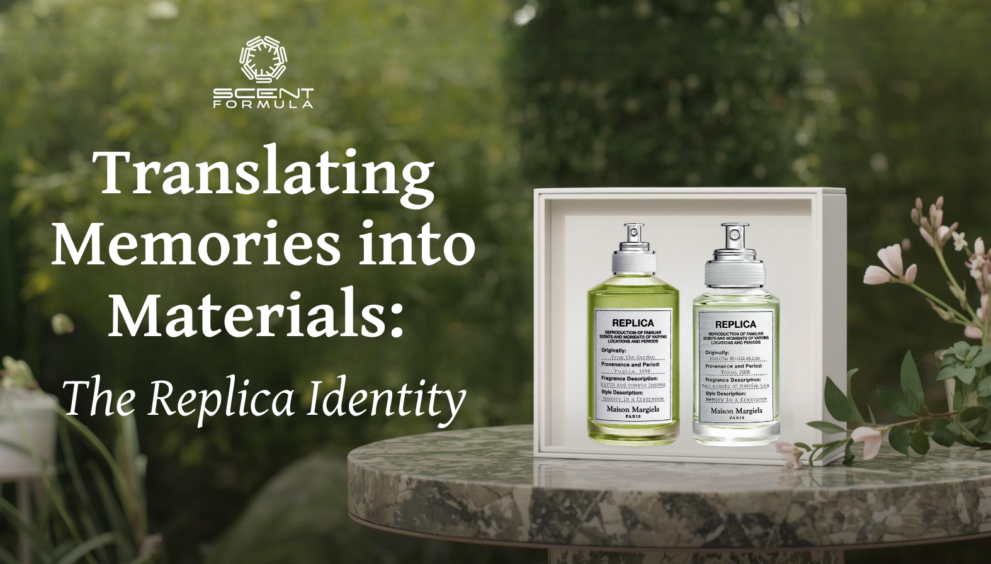
Ever thought how a scent can bring back a clear memory from your past? In fashion and design, capturing the essence of a time and place has evolved. This journey starts with a renowned brand that turns intangible experiences into real things.
Martin Margiela founded this label, changing how we see scents. Each product is an olfactory snapshot, aiming to recreate the feelings and atmospheres of specific memories. The concept of replica identity is more than just fragrance; it’s about capturing personal experiences in each bottle.
The brand launched its collection in 2012, inviting fans to explore a unique way of documenting. Each scent is not just a nice smell; it’s a record of time, like a database. This approach makes designer scents easier to understand, letting you connect with your memories through scent.

Exploring this world further, you’ll see how the brand captures the fleeting, offering a new way to connect with your past. Understanding the replica identity in postgresql of your experiences can deepen your appreciation for this special collection.
Key Takeaways
- Each scent serves as a sensory snapshot, capturing specific moments.
- The concept of replica identity encodes personal experiences into fragrances.
- Documentation on each bottle mirrors a structured database.
- This innovative approach demystifies the world of designer scents.
- Engaging with these scents can enhance your connection to personal history.
The Philosophy Behind Maison Margiela’s Replica Collection
Maison Margiela’s Replica Collection turns memories into scents. This makes each fragrance more than just a smell; it’s a way to share stories. Margiela says it’s about “saving the beautiful pieces of life into a scent.”
Think of your memories as a table of sensory data. Each row is a moment, and each column is a sense—sight, sound, touch, and smell. Perfumers at Maison Margiela pick which moments to turn into scents. They curate, choosing which memories to share.
Joining the Replica collection is like entering a transaction with the brand’s vision. Unlike most fragrances, Margiela’s don’t aim for generic pleasantness. Instead, they create unique scents, each with its own replication slot.
The brand’s perfumers focus on emotions like comfort and nostalgia. They mix wood, spice, and citrus to capture these feelings. A scent of chestnut and vanilla can transport you to a chalet in Chamonix, 1971, even if you’ve never been.
Understanding the Replica Identity Concept
At the heart of the Replica collection is a deep bond between scent and memory. Each fragrance connects you to your past, bringing back emotions. This idea creates a unique identity, weaving your olfactory memories together.
When you smell a Replica fragrance, you enter a special system. It’s like an alter table in a database, where each scent is a unique index. It doesn’t just point to a single note; it paints a picture of emotions. Your personal history makes the fragrance’s meaning even more special.
The documentation on each bottle tells a story. It gives a slot for your imagination to fill in. Without it, linking scent to memory would be inefficient. You’d have to update or delete lots of sensory info to understand it.
Margiela has a pre-made schema, like a postgres database, that organises feelings into fragrance. Designers capture universal human experiences, like a cozy Sunday morning or a fireplace’s warmth. They turn these into scents that feel both personal and shared.
The log of human experience is huge, but some moments are common across cultures. Replica fragrances tap into these moments, offering a deep connection. They make you feel seen, understood, and transported, all through a simple sniff.

Key Fragrances in the Replica Line
The Replica line’s fragrances capture memories, offering a unique sensory journey. Each scent is a carefully crafted moment in time. It invites you to relive experiences through smell.
By the Fireplace: Capturing Cosy Winter Memories
By the Fireplace brings the warmth of a winter evening to life. It combines smoky woods, roasted chestnuts, and sweet vanilla. This fragrance is the table replica identity for those seeking comfort in cold months.
Many say it reminds them of “cozy chestnuts and vanilla on a winter night.” It feels both intimate and inviting, bringing back memories.
Jazz Club: The Atmosphere of New York Evenings
Jazz Club takes you to a lively Brooklyn bar. It’s filled with music and laughter. The fragrance has notes of tobacco leaf, rum, and vanilla bean.
This scent captures the essence of New York nightlife in 2013. It redefines the default replica identity of a night out, making every spritz a gateway to vibrant memories.
Lazy Sunday Morning: Morning Ritual Nostalgia
Lazy Sunday Morning captures the serene beauty of a quiet morning. It combines crisp linen and soft skin, reflecting the gentle warmth of sunlight. This fragrance has gained popularity.
It’s been called “TikTok-approved” by Allure and Byrdie. It’s a staple for those seeking a moment of peace in their daily routines.
Under the Lemon Tree: Mediterranean Summer Escapes
Under the Lemon Tree offers a refreshing escape to sun-drenched Mediterranean shores. The fragrance unfolds with zesty citrus notes, reminiscent of summer days spent outdoors. The replication stream of this scent has created a buzz on social media.
The bright, invigorating essence of this fragrance invites you to experience the joy of a sunny getaway.
Choosing Your Replica Fragrance Based on Memory
Choosing a Replica fragrance is a personal journey into your memories. It’s not just about the scent. It’s about how that scent connects with your experiences. Each Replica fragrance is made to bring back specific memories, helping you bond with your chosen scent.
Start by thinking about scents that match your personal experiences. Do you like warm, woody notes that remind you of family times? Or do fresh, green scents take you back to happy summer days? Knowing what you like is key in this journey.
Matching Scents to Your Personal Experiences
Fragrance choice is very personal. The replica identity is important because it shows how well a scent fits with your life. Each scent can bring back memories, making those moments feel real again. By thinking about your past, you can find fragrances that move you the most.
Maison Margiela has discovery sets for those unsure where to begin. Trying different scents helps you find what truly speaks to you. The doc of fragrance notes is a guide, helping you understand each scent’s layers.
Building Your Unique Scent Identity
Creating your scent identity means exploring many fragrances. As you try different scents, notice how they change on your skin. The way a fragrance evolves can show its heart and base notes, making your choice more meaningful.
Every node of discovery, whether in-store or through samples, helps you understand your scent preferences. Your choices might change as your life changes, marking your growth and experiences.
The goal is to find fragrances that capture joy, comfort, and adventure. This journey builds a personal collection of scents that are yours alone. Choosing a Replica fragrance connects you to a global community that values scent as a way to tell stories.
| Fragrance | Memory Trigger | Emotional Response |
|---|---|---|
| By the Fireplace | Cosy winter nights | Warmth and nostalgia |
| Jazz Club | New York evenings | Excitement and vibrancy |
| Lazy Sunday Morning | Quiet mornings | Relaxation and peace |
| Under the Lemon Tree | Summer escapes | Freedom and joy |

Conclusion
Maison Margiela’s Replica identity shows how scent and memory are linked. It’s more than just marketing; it’s about how smells capture our experiences. Each fragrance is like a snapshot, filled with memories.
Exploring these scents, think about the emotional connections in your life. Finding your unique scent story starts with your memories. Fragrances like By the Fireplace and Lazy Sunday Morning let you connect your smell to your past.
The brand’s mix of real and commercial appeal raises questions. Can a brand that stands against the mainstream still attract many people? The answer might be in scents that bring back memories and build connections.
These fragrances are for expressing yourself. They help you create a scent story that’s uniquely yours. This collection’s impact on the fragrance world is big, showing the need for realness in a world of fast trends.
Enjoy the memories that these scents bring back. Each fragrance is a chance to relive moments that make you who you are. Wearing perfume becomes a personal journey.
Visit ScentFormula to learn more about Maison Margiela’s Replica identity.
Frequently Asked Questions
What is "table replica identity" and why does it matter for logical replication in Postgres?
Replica identity tells PostgreSQL how to identify rows for updates and deletes in a replicated table. For logical replication, the publisher needs a reliable way to find the exact row to change on the subscriber. If a table has a primary key or another suitable key, Postgres will use that. Otherwise you may need to set the table replica identity to full so the entire row is sent in change records. This helps the replication stream and downstream subscriber apply updates correctly.
How does default replica identity behave and when should I change it for a table in Postgres 15?
Default replica identity uses the primary key if one exists. If the table has no primary key or suitable indexes, updates and deletes will fail in logical replication unless you change it. In Postgres 15 you can configure a table's replica identity to use another unique index or set to replica identity full (replica identity full) to send the entire row. Use full only if you can't uniquely identify records cheaply, because it increases WAL and CPU work on the publisher.
Can I replicate a table without a primary key using PostgreSQL’s logical replication and publication?
Yes, but you need to tell Postgres how to identify rows. Options are adding a primary key, using another unique index as the replica identity, or using replica identity full so the entire row is included in change records. Keep in mind that replica identity full will send more data in the WAL and replication stream, and may be a fallback only when a suitable key can't be added.
What happens on the subscriber side if a change record arrives but the publisher didn’t send a suitable key to identify the row?
The subscriber won’t be able to apply an update or delete because it can’t uniquely identify the target row. Logical replication requires the publisher to include enough metadata to identify rows. If the publication is created without addressing replica identity on tables lacking keys, you’ll see errors. The fix is to configure replica identity or add suitable indexes so updates and deletes can be applied transactionally.
How do row filters and replicated tables interact in logical replication—can I replicate only certain rows or columns?
Native PostgreSQL logical replication supports row filtering in newer versions and column lists via publication definitions. You can publish a group of tables and choose which columns to include, and in some setups use row filters to restrict changes. For more advanced CDC use cases you might need third-party tools, but Postgres 15 improved flexibility for publications and replicated tables.
How does WAL (write-ahead log) factor into logical replication and replica identity full?
Logical replication reads change records from the WAL, transforms them, and sends a replication stream to subscribers. If a table is set to replica identity full, the WAL will include the entire row for updates and deletes, which increases WAL size and CPU/IO on the publisher. Physical replication streams WAL directly for binary replication, but logical replication interprets WAL into row-level change records, so replica identity settings affect that interpretation and the amount of data sent.
What are common use cases for setting replica identity to full versus adding a primary key?
Adding a primary key or suitable unique index is usually best: it keeps WAL small and lets the subscriber uniquely identify rows. Use replica identity full when you can’t change the schema (legacy apps, external constraints) and still need logical replication or CDC. Full is handy for quick demos, migrations, or when replicating tables that truly lack unique identifiers, but it’s heavier on resources.
How do I change a table’s replica identity and what should I consider when I configure it?
Use ALTER TABLE ... REPLICA IDENTITY to change it: you can set it to DEFAULT (use primary key), USING INDEX index_name (use another unique index), or FULL. Consider the impact on WAL, replication stream size, and subscriber synchronization. If you choose FULL, expect larger WAL and more CPU during replication; if using an index, ensure that index is stable and uniquely identifies rows to avoid conflicts on the subscriber.
Are there performance or operational pitfalls with logical replication and replica identity in a high-volume setup?
Yes. High update/delete rates on tables without primary keys can bloat WAL and the replication stream if you use replica identity full. This increases CPU, IO, and LSN advancement, which can stress both publisher and subscriber. Also, schema changes (DDL) and TOASTed large columns can complicate replication. Plan for sync strategies, monitor WAL retention, and prefer suitable keys when possible to minimize overhead in transactional, CDC-style replication.