
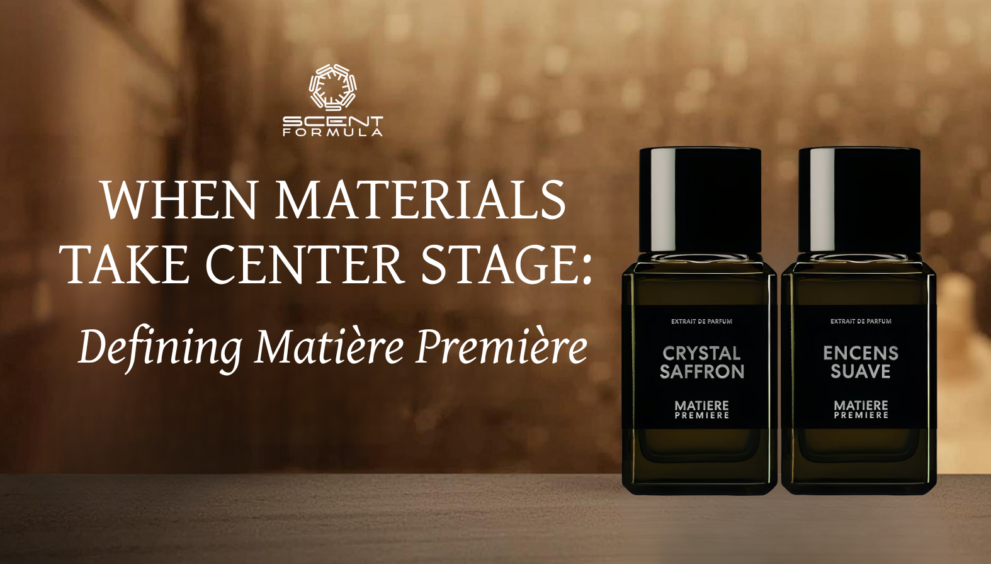
When Materials Take Center Stage: Defining Matière Première

Ever wondered what makes the scents around us so captivating? It’s not just about fancy marketing. At the core of every fragrance is a deep philosophy. It celebrates the raw materials that make these scents so special.
In our look at matière première, you’ll see how it changes the world of perfumery. It moves from stories to showing the real ingredients in each scent. Knowing this is key for anyone who loves fragrances.
As we dive deeper, you’ll find out how material innovation has changed perfume design. It makes our sense of smellgo from the first spray to the scent that stays with us. This journey will make you see the world of smells in a new light.

Let’s explore the heart of matière première. It’s crucial for both small and big fragrance houses today.
Key Takeaways
- The concept of matière première highlights the importance of raw materials in fragrance creation.
- Understanding these ingredients enhances your appreciation of perfumes.
- Material innovation has transformed the olfactory experience.
- This exploration is essential for developing your olfactory literacy.
- Both niche and mainstream brands are embracing transparency in their ingredient choices.
Understanding Matière Première: The Foundation of Perfumery
Matière première is key in perfumery, shaping the world of scents. For those who love fragrances, it’s what makes a perfume stand out. Knowing about raw materials adds depth to your scent appreciation and connects you to perfumery’s history.
What Matière Première Means for Fragrance Enthusiasts
Raw materials have always been crucial in making perfumes. Ancient Egyptians made kyphi blends, and Louis XV’s court loved natural scents like jasmine and rose. These moments show how quality ingredients shape a fragrance’s character.
Historical context of raw materials in perfumery
The use of raw materials has changed over time. It reflects changing tastes and better extraction methods. Now, perfumers can bottle the essence of nature.
Why the term matters in modern fragrance
Today, knowing what’s in a fragrance is key. People want real ingredients in their scents. This desire shows how important material choice is for quality and trust in brands.
The Role of Raw Materials in Creating Lasting Impressions
Good materials make fragrances that stay with you. Perfumes with top-notch ingredients, like sandalwood or orris butter, smell better on your skin than synthetic ones.
How quality materials affect longevity
The life of a fragrance depends on its raw materials. A perfume made with quality ingredients will smell better over time. It gives you a scent experience you won’t forget.
Signature fragrance development through material choice
Your scent is shaped by the ingredients used. Choosing the right materials is crucial. It lets you show your unique self through scent. Every fragrance has a story of material choices that make it special.
Why Materials Take Center Stage in Perfumery
In perfumery, picking materials is key, not just a choice. The right ingredients can make a perfume stand out. It’s important for both perfumers and fans to know how each ingredient affects the scent.
The Impact of Material Choice on Scent Profile
Different materials create unique scents in fragrance making. Citrus, like grapefruit, brings freshness and energy. It’s perfect for modern, lively fragrances.

Woody notes like cedarwood, sandalwood, and patchouli add warmth and depth. Cedarwood brings sophistication, while sandalwood makes scents smooth. Patchouli adds earthiness, making fragrances rich and long-lasting.
How citrus and grapefruit create freshness
Citrus, especially grapefruit, is lively and refreshing. It wakes up the senses and sets the stage for how a fragrance evolves.
Woody notes: Cedarwood, sandalwood, and patchouli
Woody notes balance citrus’s freshness. Cedarwood adds elegance, sandalwood smoothness, and patchouli depth. Together, they create a lasting, complex scent.
Creating Radiant and Sensual Fragrance Experiences
Fragrance is more than scent; it’s about creating memorable experiences. Floral and gourmand elements can make a fragrance radiant and sensual. For example, tuberose with vanilla creates a bright, indulgent scent.
The interplay of floral and gourmand elements
Floral and gourmand notes offer versatility in perfumery. They add elegance and warmth, creating a balanced scent that touches the heart.
Green notes and their aromatic significance
Green notes like galbanum and fig add a fresh, natural quality. They make fragrances feel alive and vibrant. Choosing the right green materials is crucial for a scent that feels organic and fresh.
The choice between bright and deep scents depends on the materials used. Exploring perfumery, remember each ingredient shapes the fragrance’s story, affecting your experience with every spray.
Natural vs. Synthetic: Choosing Your Materials
The debate between natural and synthetic materials is key in perfumery. Each option offers special qualities that shape the scent experience. Knowing the differences helps you appreciate the skill behind your favourite fragrances.
The Appeal of Natural Materials in Perfumery
Natural materials are loved for their depth and realness. Jasmine, iris, and tuberose are top picks that highlight nature’s beauty.
Jasmine, iris, and tuberose: Premium natural choices
Jasmine absolute, made from countless hand-picked flowers, is a lavish floral scent. Iris, with its creamy feel, needs years to dry to reach its full aroma. Tuberose, meanwhile, offers a unique, intense scent that synthetic scents can’t match.
Orange blossom and yuzu in fragrance creation
Orange blossom adds a sweet floral touch, enhancing any scent. Yuzu brings a fresh, Japanese citrus note. Together, they create a balanced, rich fragrance.
When Synthetic Materials Shine in Niche Perfumery
Synthetic materials have their own perks. They offer reliability and are better for the environment, making them great for niche perfumes.
Benefits of modern fragrance compounds
Modern synthetic scents let perfumers make new, unique fragrances. This innovation opens up new possibilities for scent creation, exciting the senses.
How synthetic materials enhance longevity
Synthetic scents like Ambroxan and Iso E Super also make fragrances last longer. These molecules keep your perfume smelling good all day.
Whether you prefer natural or synthetic, knowing their unique traits is crucial. This knowledge not only makes your fragrance journey richer but also strengthens your bond with niche perfume.
Key Materials Defining Contemporary Fragrances
The world of fragrances today is all about unique materials. Citrus elements like mandarin, bergamot, and pink pepper are key. They add a burst of freshness to scents.
Citrus Elements: Mandarin, Bergamot, and Pink Pepper
Mandarin gives a sweeter citrus note than lemon. Its aroma is juicy and bright. Bergamot, with its Earl Grey tea smell, adds a touch of class.
Pink pepper brings a sparkling, rosy spice. It connects citrus and floral scents. This mix makes fragrances lively and engaging.
Creating sparkle in fragrance compositions
Many modern fragrances start with a burst of freshness. This freshness grabs your attention and makes you want to explore more. Blending citrus notes is key to this sparkle.
Pineapple and bergamot combinations
Pineapple and bergamot together are a hit in niche fragrances. They mix tropical sweetness with a sophisticated zest. This combo is loved by fragrance fans.
Woody and Aromatic Foundations
After the citrus, woody and aromatic bases add depth and warmth. Cedarwood and sandalwood are favourites in unisexscents.
Cedarwood and sandalwood in unisex fragrances
These woods appeal to all, not just one gender. Cedarwood is crisp and clean. Sandalwood adds a creamy richness that enhances the scent.
Patchouli’s role in shadow play and depth
Patchouli is known for adding mystery and sensuality. It creates depth and contrast in fragrances. This balance is crucial for modern scents.
These choices also tie into the floral gourmand trend. It’s where food and flower scents blend in a new way. This mix appeals to today’s fragrance lovers.

The Art of Material Selection in Niche Perfumery
In niche perfumery, choosing materials is more than just a decision. It’s an art form. Each ingredient is key to creating unique scents that fans love. Seeing how perfume houses innovate shows the creativity in this field.
How Perfume Houses Approach Material Innovation
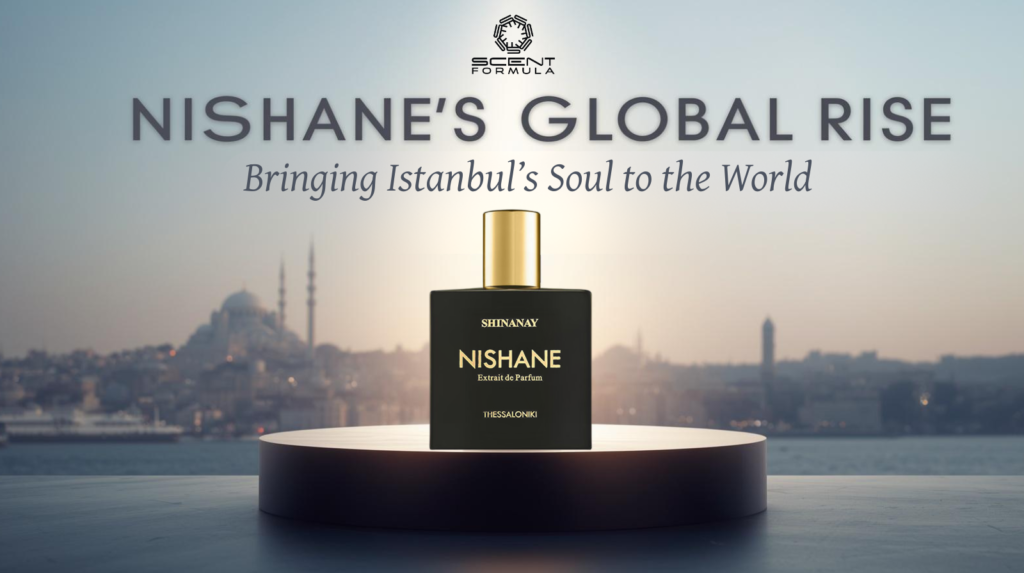
Perfume houses often choose materials that match their brand. Nishane, from Istanbul, is a great example. Its founders, Murat Katran and Mert, pick ingredients that tell a story. They aim to make fragrances that smell amazing and have a story behind them.
Brand Philosophy and Material Choices
Nishane values both natural and synthetic materials. This mix lets them create new scents. Mert says,
“Every fragrance we create is a journey through our chosen materials, each with its own character and emotion.”
The Nose Behind This Fragrance: Creative Processes
The person creating the fragrance is crucial. Perfumer Murat Katran picks materials that go well together. This is seen in Fan Your Flames X, which blends tonka and coconut for a unique scent.
Material-Focused Design in Global Hits
Fragrances like Original Hacivat show off creative material use. It reworks the chypre structure with pineapple, bergamot, and oakmoss. This design makes the fragrance stand out and improves the scent experience.
Original Hacivat and Its Material Journey
Original Hacivat’s story shows how material choice can make a fragrance special. It combines fresh and earthy notes, making it a hit in niche perfumery. This shows how careful material selection can lead to success.
Hundred Silent Ways X: A Case Study
Hundred Silent Ways X uses extraits for a stronger scent. This makes its aquatic freshness even more appealing. Nishane’s focus on material curation makes it a standout in niche perfumery.
Exploring fragrances like Wūlóng Chá shows the importance of material selection. The creativity in choosing and mixing these elements is what makes niche perfumery special.

Sustainable Material Selection in Modern Perfumery
As someone who loves fragrances, knowing about sustainable materials is key today. Your choices affect more than just your own pleasure. They show you care about the planet and fair trade. The perfume world is changing, with a focus on using materials in a better way.
Why Sustainability Matters for Fragrance Lovers
The way we get materials can harm the environment. For example, taking too much sandalwood in India hurts nature. Also, growing roses for perfume uses a lot of water. Knowing these facts helps you pick better fragrances.
Choosing brands that care about the environment and people is important. Look for those that support fair trade and use eco-friendly methods. This helps make the perfume world better for everyone.
Trends in Sustainable Fragrance Materials
Now, more perfume makers are using eco-friendly ingredients. They use recycled citrus, lab-grown musk, and new rose oils made without harming nature. This shows that being green can spark new ideas in perfume making.
Green notes like galbanum and vetiver are being used more responsibly. This makes fragrances better and helps the environment. Choosing these options lets you enjoy scents that match your values.
The Future of Material Innovation in Design
The future of perfume looks promising, with a focus on being green. Sustainable choices are not just good for the planet; they inspire creativity. Brands are now linking their values to their fragrances, making sustainability a key part of who they are.
When you explore perfumes, remember your choices shape the industry. Supporting green practices helps create a world where perfume is made with care for the planet and people.

Conclusion: Your Journey with Matière Première
Exploring matière première shows how raw materials shape the world of fragrance. Each scent has its own story, starting with its ingredients. The journey through natural essences and synthetic innovations shows the importance of material choice.
Fragrances like Original Hacivat and Hundred Silent Ways X show the artistry behind these choices. Each note is carefully crafted, making a global hit that captures the senses. You can enjoy the citrus sparkle at first spray and the woody foundation that lingers.
When you enjoy your favourite scents, you join the fragrance community. Knowing the components behind each perfume deepens your connection to the artistry. Next time you try a fragrance, think about the materials that make it unique.
In this world of scent, remember that every great fragrance starts with a special raw material. Enjoy your journey with matière première and let it improve your fragrance experience.
Visit ScentFormula to learn more about Matière Première and it’s fragrances.
Frequently Asked Questions
What does "matière première" mean and how do materials and methods define it?
Matière première basically means the raw materials a project starts with — the linen, metal, polymer, quartz or plant-based fiber that shape the look, tactile texture and production process. In product design and atelier practice, materials and methods sit together: the source and extraction, the dye or coating choices, and the craftsmanship determine durability, visual and sensory qualities, and even the environmental impact of the final piece.
How can designers integrate recycled materials or repurposed elements without losing quality?
Smart designers and innovators integrate recycled materials by working closely with suppliers and doing quality control early — testing for strength, conductivity or dye behavior. Recycled materials and repurposed components can complement traditional materials like linen or metal if you plan for variations in texture and durability during the early stages and adjust the production process accordingly.
Can an atelier move toward a circular economy while still using traditional materials?
Totally. An atelier can respect traditional materials and still embrace circular economy principles by choosing natural fibers, repairing and reusing pieces, and designing for disassembly. Reducing waste, reusing trims, and selecting coatings or dyes that allow recycling keep craftsmanship alive while lowering environmental impact.
What are some practical ways to recycle textile waste in a small studio or atelier?
Start small: sort natural fibers versus polyesters/nylon, reconnect with local suppliers who accept offcuts, and repurpose scraps into linings, padding or embellishments. You can also blend repurposed fibers into new materials, experiment with plant-based resins or recycled polyester, and document the materials and methods so production efficiency improves over time.
When should a designer consider new materials like bio-polymers or resin instead of traditional options?
Consider new materials if they offer meaningful benefits — less material extraction, better durability, or improved sensory properties like a different tactile finish. Test for compatibility (dye, coating, conductivity) and think about supplier reliability and environmental credentials. If the new material aligns with product purpose and production process, it's worth integrating early.
How does choosing material-first (based on material) influence the product design and decision-makers?
When you design based on material, the material leads form and function. That means architects, designers and decision-makers often pivot design choices to showcase texture, color or structural strengths of a material — whether it's quartz accents, sculptural metal forms, or soft natural fibers. This approach can improve sustainability because it emphasizes reuse, reducing waste and respecting natural resources.
What role does supplier selection play when working with repurposed or recycled materials?
Choosing the right supplier is huge. A good supplier can provide material traceability, consistent quality control, and advice on coating, dye or processing limits. For recycled materials, supplier transparency affects environmental impact and whether a material truly meets circular economy goals or just greenwashed claims.
How can tactile qualities and texture be balanced with functionality and durability?
Balance comes from testing: pair desired tactile qualities with performance tests for wear, dye fastness and strength. You might combine a soft natural fiber face with a durable backing, or use a protective coating that doesn’t ruin sensory appeal. Collaborating with craftsmen in the atelier helps find seamless solutions that embody both feel and function.
Are there easy first steps for studios wanting to reduce environmental impact and better integrate repurposed materials?
Yep — audit your material flows, start a small recycle/reuse loop in the studio, swap polyester or nylon for recycled polyester where possible, and trial one product line using repurposed inputs. Focus on suppliers with clear sourcing, document materials and methods, and keep iterating to improve production efficiency and reduce reliance on new material extraction.